The Outer Banks of North Carolina is one of the most breathtaking stretches of coastline in the United States. With its barrier islands, maritime forests, and salt marshes, this region draws millions of visitors each year and is home to a tight-knit community of year-round residents. But alongside the beauty of this coastal paradise comes a unique set of challenges, and one of the most persistent is pest control.
Choosing the right pest control company in this area is not as simple as picking the first name that pops up in a search engine. Local experience is everything, and here is why.
The Unique Pest Landscape of the Outer Banks
The Outer Banks does not share the same pest profile as inland North Carolina, or really any other region in the country. The combination of high humidity, sandy soil, salt air, and proximity to water creates an environment where certain pests thrive in ways that would surprise someone unfamiliar with the area.
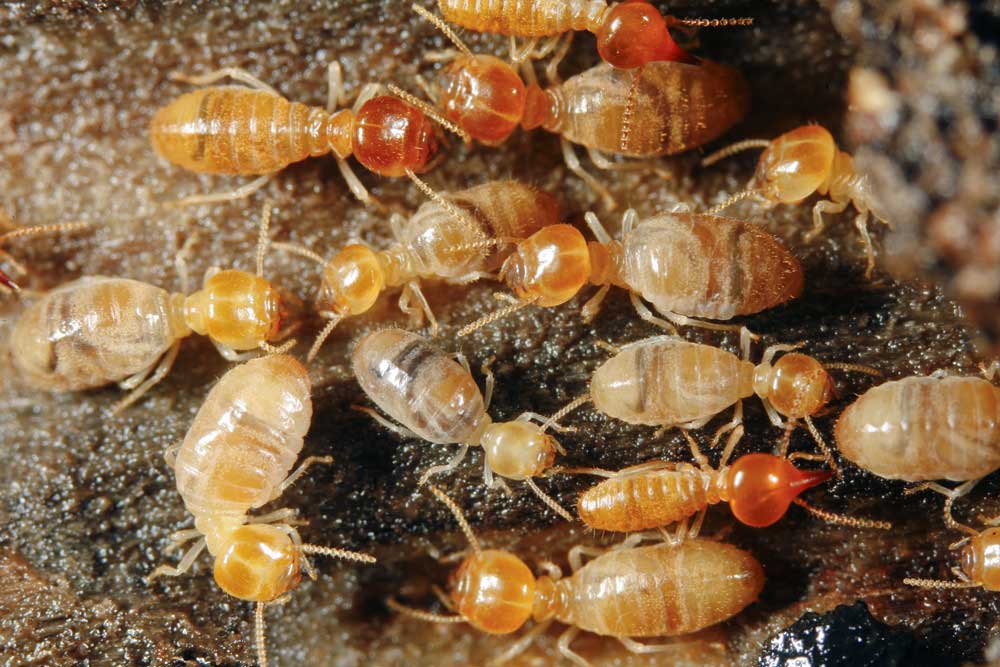
Mosquitoes are a given in any coastal region, but the species found in the Outer Banks are influenced by tidal patterns and brackish water sources. Termites, particularly the Eastern subterranean termite and the increasingly problematic Formosan termite, pose a serious threat to the wooden structures that define so much of the region’s architecture. Rodents seek shelter in beach homes during off-seasons when properties sit vacant for months at a time. Ghost ants, American cockroaches, and sand fleas are common nuisances that require specific treatment approaches.
A pest control company based in Raleigh or Charlotte may technically be licensed to operate in North Carolina, but without hands-on experience in the Outer Banks, they are working from a generic playbook. A local company has spent years learning which pests peak during which seasons, how salt air affects the longevity of treatments, and how the physical layout of barrier island properties requires different inspection and treatment strategies.
Local Knowledge Translates to More Effective Treatments
When it comes to pest control, effectiveness is not just about the products used. It is about knowing where to look, when to treat, and how to account for environmental variables that change from neighborhood to neighborhood and season to season.
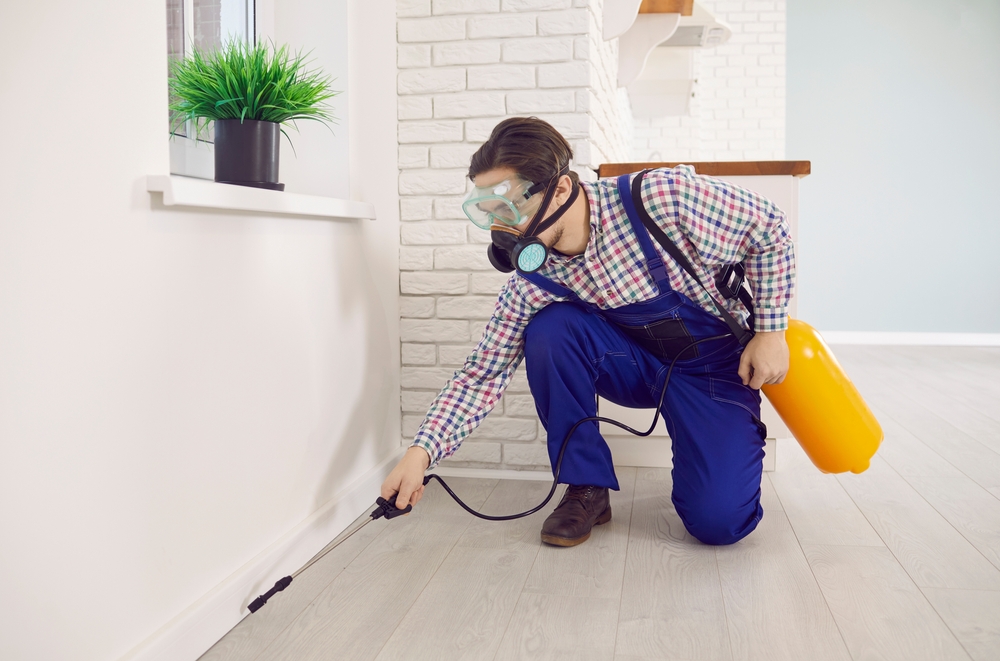
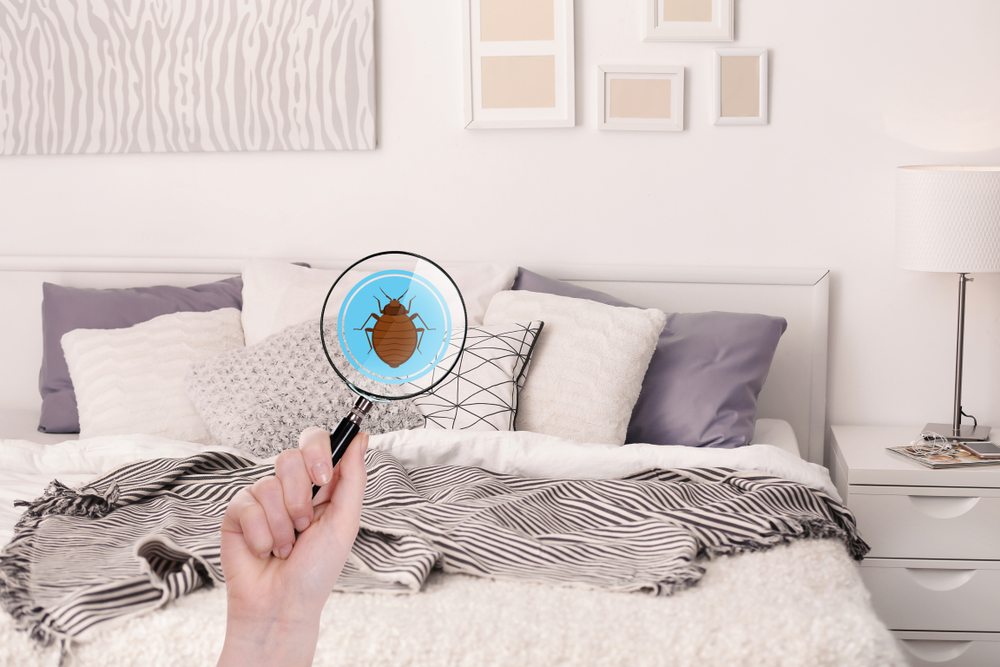
A pest control technician who has worked in Corolla, Duck, Kitty Hawk, Nags Head, and Hatteras Island for years builds an intuitive understanding of these communities. They know that homes built on stilts require inspection protocols that differ from slab-on-grade construction. They understand how ocean breezes carry moisture into crawl spaces and wall voids, accelerating the conditions that attract termites and mold-associated pests. They recognize that vacation rental properties cycle through dozens of guests per season, increasing the risk of bed bug introductions.
This kind of localized expertise means that treatments are targeted rather than generic. Rather than applying a one-size-fits-all approach, an experienced local pest control professional tailors every service visit to the specific conditions of your property and the pests most likely to be present given the time of year and recent weather patterns. This not only improves results but also reduces unnecessary pesticide use, which is better for your family, your pets, and the sensitive coastal ecosystem surrounding your home.
Building Trust Through Community Roots
There is something to be said for doing business with a company that has genuine roots in your community. A local pest control company in the Outer Banks is not just passing through. Their technicians live in the same towns, send their kids to the same schools, shop at the same grocery stores, and understand the rhythms of life on these islands in a way that a national franchise simply cannot replicate.
This community connection creates accountability. A local company’s reputation is built one neighbor at a time. Word travels fast in small coastal communities, and a pest control company that cuts corners or delivers poor results will not survive long. On the flip side, a company that consistently shows up on time, communicates clearly, and resolves pest problems effectively earns the kind of loyalty and referrals that sustain a business for decades.
When you hire a locally rooted pest control company, you are also investing in the local economy. Your money stays in the community, supports local jobs, and contributes to the fabric of the Outer Banks rather than flowing to a corporate headquarters somewhere far removed from the coast.
Trust also plays a role when it comes to service consistency. A locally owned pest control company is more likely to send the same technician to your property on every visit. That continuity matters. A technician who has been treating your home for several seasons notices changes, catches new infestations early, and develops a relationship with you as a homeowner that makes the entire process more efficient and less stressful.
The Outer Banks is a place of dramatic seasonal shifts. Summer brings a flood of tourists, soaring temperatures, and surging pest activity. Fall and winter see the population thin out, vacation homes go dark, and pests seeking warmth begin pushing into structures. Spring brings moisture, new pest generations, and the beginning of termite swarm season.
Managing pest control across these seasonal cycles requires a company that plans ahead and understands the local calendar. A local pest control provider knows that mosquito treatments need to begin before peak season, not after complaints start rolling in. They know that vacant vacation properties are particularly vulnerable to rodent infiltration during the colder months and that proactive exclusion work in the fall prevents bigger problems come spring.
They also understand the complications that come with servicing rental properties. Coordinating treatments around guest check-ins and check-outs, communicating with property managers, and ensuring that treatments do not interfere with rental income all require the kind of local operational knowledge that only comes from experience in this specific market. A company based outside the Outer Banks is unlikely to understand or accommodate these logistical realities in the same way.
Protecting the Coastal Ecosystem While Keeping Your Home Pest-Free
One of the most compelling reasons to choose a locally experienced pest control company in the Outer Banks is their understanding of the environmental stakes. The Outer Banks is home to sensitive ecosystems including the Alligator River National Wildlife Refuge, the Cape Hatteras National Seashore, and numerous protected wetlands. The waterways and shorelines are breeding grounds for wildlife and are treasured by residents and visitors alike.
Pesticide runoff, improper chemical applications, and the use of products that are not appropriate for coastal environments can have real consequences for these ecosystems. A responsible local pest control company is aware of these risks and takes them seriously. They are familiar with the regulatory environment, including any restrictions that apply near protected areas, and they choose treatment methods that balance effectiveness with environmental stewardship.
This is not something you can assume from a company without local roots. An outside provider may use products or application methods that are perfectly acceptable in an inland setting but carry greater risk near salt marshes, tidal creeks, or wildlife corridors. Local knowledge is not just an advantage here; it is a safeguard.
Conclusion
Choosing a pest control company in the Outer Banks is a decision that deserves careful thought. The region’s unique environment, seasonal rhythms, and ecological sensitivity make local experience far more than a nice bonus. It is a fundamental factor in whether pest control efforts will be safe, effective, and respectful of the community and coastline you call home. When you invest in a locally experienced pest control provider, you get more than a service. You get a partner who understands exactly where you live and what it takes to protect your property year after year.
Need Pest Control Services in Outer Banks, NC?
We here at Outer Banks Pest Control are a leading pest management company offering a wide range of services to residential and commercial clients. With a team of highly experienced and licensed entomologists, we ensure effective solutions for all your pest-related concerns. We specialize in the extermination and prevention of termites, rodents, roaches, bed bugs, ants, mosquitos, spiders, honey bees, and wasps. Our comprehensive services include free estimates, allowing our customers to have a clear understanding of the scope of work required. Here at Outer Banks Pest Control, we are committed to the environment and strive to save bees while efficiently dealing with dry wood and subterranean termites. Contact ustoday to learn more about what we can do for you!
Termites represent one of the most persistent and costly pest problems facing homeowners in coastal regions. If you live in an area like the Outer Banks of North Carolina or any other coastal community, you’ve likely heard warnings about termite infestations. These wood-destroying insects cause billions of dollars in property damage every year across the United States. Understanding why termites thrive in coastal environments is crucial for protecting your home and knowing when to contact professional termite removal services.
This comprehensive guide explores the environmental factors that make coastal areas such ideal habitats for termites and what you can do to safeguard your property.
The Perfect Climate for Termite Colonies
Coastal areas like the Outer Banks provide ideal climatic conditions for termites to flourish year-round. Termites prefer warm, humid environments where they can maintain their colonies without excessive stress. The combination of moderate temperatures and high moisture levels creates the perfect breeding ground for these destructive pests. In the Outer Banks, the Atlantic Ocean proximity ensures that humidity levels remain consistently high throughout the year. This constant moisture is essential for termites because they need it to prevent their exoskeletons from drying out.
The coastal climate in regions like the Outer Banks typically features mild winters compared to inland areas. This means termite colonies never go completely dormant, allowing them to remain active and continue consuming wood structures during months when inland termites are less aggressive. The extended warm season provides termites with more time to multiply and expand their colonies. If you notice signs of termite activity in your home, contacting termite removal services should be a priority before the infestation spreads further.
Abundant Moisture Creates Ideal Living Conditions
Water is absolutely essential for termite survival, and coastal properties provide abundant moisture sources that inland homes simply cannot match. Termites require constant access to moisture to maintain their body functions and keep their colonies operational. The Outer Banks receives significant rainfall throughout the year, and the ocean spray adds additional moisture to the air and surrounding structures. This persistent moisture infiltration into wooden structures makes coastal homes particularly vulnerable to termite invasions.
The high water table in many coastal communities also contributes to moisture problems. Ground water can seep into foundations and wooden components of homes, creating damp conditions that termites find irresistible. Additionally, coastal homes often experience issues with flooding during storms and hurricane seasons, which can temporarily increase moisture levels dramatically. Even after flood waters recede, the lingering dampness in wood and soil provides termites with the wet environment they need to establish thriving colonies. Homeowners in coastal areas should be especially vigilant about moisture management and should consider consulting with termite removal services for inspections after major weather events.
Salt Air and Decaying Wood Create Food Sources
The coastal environment constantly produces decaying wood materials that serve as food sources for termite populations. Trees in coastal areas frequently fall during storms, and the salt air combined with high moisture accelerates wood decomposition. Wooden driftwood, fallen branches, and deteriorating wooden structures accumulate along beaches and in residential areas, providing termites with abundant feeding opportunities. This proximity to natural wood sources keeps termite populations robust and well-fed, making them more likely to infest nearby homes.
Salt air itself creates a unique problem for coastal homes. The corrosive nature of salt spray can damage protective barriers on wooden structures, making wood more susceptible to termite attack. Metal components that would normally deter termite activity can deteriorate faster in coastal environments, and wood treatments may break down more quickly. Additionally, the weathering effects of salt air, combined with moisture and UV exposure, weaken wood fiber integrity. Weakened wood is easier for termites to tunnel through and consume, making coastal homes prime targets for infestation. Professional termite removal services can help identify areas of structural weakness that might attract termite colonies.
Seasonal Storm Activity Increases Vulnerability
Coastal areas like the Outer Banks face regular threats from tropical storms and hurricanes, and these weather events create ideal conditions for termite infestations. High winds can damage roof structures, siding, and wooden components, creating entry points for termites. Water intrusion from storms compromises wood integrity and creates the moisture that termites require. Flooding can drive termite colonies from natural habitats into buildings seeking higher ground, which is when homeowners discover severe infestations they didn’t know existed.
After major storms, debris accumulates around properties, creating perfect habitats for termites to establish satellite colonies near homes. The damaged wood from storms remains in place for extended periods, providing termite food sources within close proximity to occupied structures. Homeowners often discover termite damage months or even years after storm events when the structural damage becomes apparent. This delayed discovery means termites have had considerable time to tunnel through wooden support beams and compromise structural integrity. Having your property inspected by professionals offering termite removal services should be part of your post-storm recovery routine in coastal communities.
Soil Composition and Subterranean Termite Activity
Coastal soils have distinct characteristics that make them particularly favorable for subterranean termites, which are the most common and destructive termite species in coastal regions. Sandy soils common to coastal areas like the Outer Banks are easy for termites to tunnel through, allowing them to establish pathways from natural wood sources to homes. The combination of sand, moisture, and organic matter creates ideal conditions for termite colonies to thrive underground. Subterranean termites never need to expose themselves to open air as they work; they create mud tubes that protect them from drying out while they tunnel between food sources and their main colony.
The salt content in coastal soils also plays a role in termite abundance. While you might assume that salt would deter termites, research shows that termite populations actually persist well in mildly saline soils. The moisture retention properties of coastal sandy soils, combined with salt content, creates an environment where termite colonies can flourish. The complexity of coastal soil composition makes it challenging for homeowners to effectively treat termite problems without professional assistance. Termite removal services offer specialized treatments designed specifically for coastal soil conditions and the unique challenges that moisture and salt present.
Why Professional Intervention is Essential
Given the perfect storm of conditions that make coastal areas so termite-prone, professional intervention becomes essential rather than optional. DIY termite treatments rarely succeed in combating established colonies in coastal environments where moisture and humidity constantly reinforce the problem. Professional termite removal services have the expertise, equipment, and chemical treatments specifically formulated for coastal conditions. They understand how to address moisture issues that fuel termite infestations and can implement preventative barriers that withstand coastal weather and moisture exposure.
Regular professional inspections are particularly important for coastal homeowners. Inspectors can identify early signs of termite activity before infestations become widespread and costly. They can also recommend structural modifications to make your home less attractive to termites, such as improving drainage and reducing wood-to-soil contact. Professional termite removal services typically offer ongoing monitoring programs that catch new infestations quickly before significant damage occurs. The cost of annual professional inspections and preventative treatments is minimal compared to the expense of repairing structural damage from termite infestations.
Conclusion
Termites thrive in coastal areas like the Outer Banks due to the perfect combination of warm temperatures, high humidity, abundant moisture, and accessible food sources. The unique challenges posed by salt air, storm damage, and coastal soil composition make these regions particularly vulnerable to termite infestations. Homeowners in coastal communities should recognize that termite problems are not a matter of if but when. Professional termite removal services represent your best defense against these destructive pests. By understanding why termites are so common in coastal areas and taking proactive measures, you can protect your property and maintain its structural integrity for years to come.
Need Pest Control Services in Outer Banks, NC?
We here at Outer Banks Pest Control are a leading pest management company offering a wide range of services to residential and commercial clients. With a team of highly experienced and licensed entomologists, we ensure effective solutions for all your pest-related concerns. We specialize in the extermination and prevention of termites, rodents, roaches, bed bugs, ants, mosquitos, spiders, honey bees, and wasps. Our comprehensive services include free estimates, allowing our customers to have a clear understanding of the scope of work required. Here at Outer Banks Pest Control, we are committed to the environment and strive to save bees while efficiently dealing with dry wood and subterranean termites. Contact ustoday to learn more about what we can do for you!
Pest problems rarely announce themselves with fanfare. Instead, they creep into your home quietly, multiplying in hidden corners and dark spaces until the situation becomes dire. As a homeowner, recognizing the early warning signs of a pest infestation can save you thousands of dollars in property damage and health risks. This comprehensive guide will help you identify when you might need professional pest control services before your situation escalates.
The Silent Invasion
Pests are unwelcome guests that prefer to remain undetected. Whether it’s rodents, insects, or other creatures, they typically establish themselves in areas where humans rarely venture. The problem with waiting too long to address an infestation is that pests reproduce at alarming rates. A single pair of cockroaches can produce thousands of descendants within months. Mice can have multiple litters per year, and termites work silently for years before visible damage appears. This is why early detection through pest control services becomes essential for protecting your property.
Sign One: Mysterious Droppings in Hidden Areas
One of the most telling signs of a pest problem is the presence of droppings. Small, dark pellets appearing in kitchen cabinets, under sinks, in attics, or along baseboards indicate rodent activity. These droppings can vary in size and shape depending on the pest species. Larger droppings typically suggest rats, while smaller ones point to mice. Cockroach droppings resemble coffee grounds and appear in clusters near food sources and water pipes.
Finding droppings in multiple locations throughout your home suggests an established population rather than a single intruder. The fresher the droppings appear, the more active the infestation. This is precisely when you should contact professional pest control services. Fresh droppings indicate ongoing activity that will only worsen without intervention.
Sign Two: Unusual Sounds and Noises
Listen carefully to your home, especially during quiet nighttime hours. Scratching, scurrying, or squeaking sounds coming from walls, attics, or crawl spaces suggest rodent presence. Termites make softer clicking or rustling noises as they tunnel through wood. These sounds typically occur when pests are most active, usually during evening and night hours when human activity decreases.
Wall cavities and insulation spaces provide perfect highways for rodents to travel undetected throughout your home. When you hear these noises, it means pests have already established pathways and are comfortable enough to move about openly. The frequency and intensity of these sounds often correlate with infestation severity. Regular scratching and movement indicate a significant pest population that requires professional pest control services.
Sign Three: Visible Damage to Food Packaging and Structures
Inspect your pantry carefully for gnawed packaging or small holes in food containers. Rodents chew through paper, plastic, and even thin cardboard to access stored foods. Similarly, examine wooden structures, baseboards, and door frames for small holes or gnaw marks. Termites leave behind hollow-sounding wood, and carpenter ants create smooth, clean tunnels through wooden beams.
Kitchen cabinets, food storage areas, and structural supports should receive regular inspection. Even small holes can represent significant activity underneath the surface. Damage to food packaging poses additional health risks beyond pest presence alone. Contaminated food can harbor pathogens and parasites transmitted by pests. This combination of property damage and contamination makes professional pest control services a worthwhile investment.
Sign Four: Odors That Seem Off
Unfamiliar odors throughout your home warrant investigation. Rodent urine creates a distinctive musky smell, particularly noticeable in enclosed spaces like cabinets or closets. Dead pests trapped in walls produce overwhelming odors that intensify over time. Some pest infestations release chemical odors as warnings or territorial markers. These smells often become stronger near areas of concentrated activity.
Odors that seem to emanate from no obvious source require systematic investigation. Check dark corners, under appliances, and within wall cavities when possible. Persistent unpleasant smells that you cannot identify may indicate pest activity in areas you cannot easily access. This is when professional pest control services become invaluable, as technicians can locate hidden infestations and identify odor sources.
Sign Five: Pest Sightings During Daytime Hours
Most pests are nocturnal, which means seeing them during daylight hours suggests a serious problem. Cockroaches, for example, typically hide during day and become active at night. Spotting cockroaches during daytime indicates their population has grown so large that daytime shelter is insufficient. Rodents similarly prefer darkness and avoid human contact when possible.
Seeing pests in broad daylight means the infestation has reached critical levels. The pest population has grown so dense that individuals must venture into lit areas despite the danger. This is not a situation to address with store-bought traps and sprays alone. Professional pest control services become essential at this stage to handle large, established populations effectively.
Sign Six: Finding Nests or Egg Cases
Discovering nests constructed from shredded paper, fabric, or plant matter indicates active breeding. Rodents build nests in wall cavities, attics, and storage areas. Finding multiple nests suggests several established colonies throughout your home. Cockroach egg cases, called oothecae, appear as small brown capsules typically found near food sources and water supplies.
Egg cases and nests represent the next generation of pests developing within your home. Each egg case can contain dozens of nymphs ready to emerge. Finding these reproductive structures means you are not merely dealing with transient pests but with established populations preparing to expand. Immediate professional pest control services are necessary to interrupt breeding cycles and eliminate developing pests.
Sign Seven: Sudden Increase in Pest Sightings
If you notice more pests appearing over a short period, the infestation is actively growing. Perhaps you spot the first cockroach one week, then encounter three more the following week. Rodent activity that seemed minor now involves evidence in multiple rooms. Ant trails that were isolated to one area now appear throughout the kitchen.
Progressive increase in pest activity indicates the population is thriving in your environment. Something about your home provides ideal conditions for reproduction and survival. Without intervention, this trajectory will lead to severe infestation causing significant damage and health concerns. This escalating pattern makes pest control services not just beneficial but necessary.
Conclusion
Recognizing these seven warning signs allows you to address pest problems during early stages when resolution is simpler and less costly. Professional pest control services offer the expertise, tools, and treatments necessary to eliminate established infestations completely. Do not wait until pests become obvious or damage appears extensive. Contact pest control services today to protect your home and family.
Need Pest Control Services in Outer Banks, NC?
We here at Outer Banks Pest Control are a leading pest management company offering a wide range of services to residential and commercial clients. With a team of highly experienced and licensed entomologists, we ensure effective solutions for all your pest-related concerns. We specialize in the extermination and prevention of termites, rodents, roaches, bed bugs, ants, mosquitos, spiders, honey bees, and wasps. Our comprehensive services include free estimates, allowing our customers to have a clear understanding of the scope of work required. Here at Outer Banks Pest Control, we are committed to the environment and strive to save bees while efficiently dealing with dry wood and subterranean termites. Contact ustoday to learn more about what we can do for you!
When you discover a bee colony on your property, the natural instinct might be to call an exterminator. However, there are compelling reasons to consider environmentally friendly ways to remove bees instead of eliminating them. Relocating bees offers numerous benefits for both your property and the environment. This blog explores the critical differences between relocation and extermination and why choosing relocation is the best way to get rid of bees without harming them.
The Critical Role of Bees in Our Ecosystem
Bees are not just insects; they are vital workers in our ecosystem. Approximately one-third of the food we consume depends on pollination by bees. Without these remarkable creatures, our agricultural systems would collapse, and we would face severe food shortages. Honeybees, in particular, are responsible for pollinating crops worth billions of dollars annually across North America.
When you choose to relocate bees rather than exterminate them, you are directly contributing to the preservation of these essential pollinators. The ways to relocate bees preserve the population, whereas extermination removes them permanently from the ecosystem. This distinction matters tremendously for biodiversity and food security. Every colony that survives through relocation represents thousands of bees that will continue their crucial work in gardens, farms, and wild spaces.
The environmental impact of extermination extends beyond the immediate loss of a single colony. Each colony contains tens of thousands of individual bees, and killing them represents a significant loss to local pollinator populations. When you opt for environmentally friendly ways to remove bees, you protect not just the colony on your property but contribute to broader conservation efforts.
Economic Benefits of Bee Relocation
Choosing to relocate bees can actually be more economical than you might expect. While extermination services might seem cheaper initially, the long-term economic advantages of relocation are substantial. When bees are relocated, they continue to pollinate crops and plants in their new environment, providing ongoing ecosystem services that benefit agriculture and gardens.
The best way to get rid of bees without harming them often involves working with local beekeepers or bee removal specialists who benefit from acquiring new colonies. Many beekeepers are willing to perform relocation services at reduced costs or even free because they gain valuable colonies. These expanded populations increase honey production, which generates income for beekeepers and supports local economies.
Extermination, by contrast, represents a complete loss of value. The colony is destroyed, and the ecosystem services it provides are eliminated. This creates a net negative economic outcome. Furthermore, if bees continue to return to your property after extermination, you will need to pay for repeated treatments, creating an ongoing financial burden. Relocation typically prevents the return of bees to that location, making it a more cost-effective solution long-term.
Additionally, some property owners find that supporting bee relocation enhances their community standing and brand reputation. Businesses that choose environmentally friendly ways to remove bees often gain positive publicity and customer loyalty. This intangible economic benefit should not be overlooked when making your decision.
Environmental Consequences of Extermination
The decision to exterminate bees carries severe environmental consequences that extend far beyond your property. Pesticides used in extermination processes can harm non-target insects and contaminate soil and water sources. These chemicals persist in the environment and can accumulate in food chains, affecting birds, mammals, and other wildlife that depend on insects for nutrition.
Bee populations are already declining due to habitat loss, disease, and climate change. Adding human-induced extermination accelerates this alarming trend. Scientists have documented significant drops in wild bee populations over the past two decades, making every colony critically important for ecosystem health. When you exterminate a bee colony, you are essentially removing a potential breeding population that could help restore depleted bee populations in your area.
By contrast, ways to relocate bees preserve existing genetic diversity and maintain healthy population levels. Relocation allows bees to establish new homes in suitable environments where they can thrive and reproduce. This approach works with nature rather than against it, supporting the complex web of life that depends on healthy bee populations.
The nitrogen cycle, fruit production, seed dispersal, and countless other ecological processes depend on pollinators. Extermination undermines these fundamental processes, while relocation ensures their continuation. Choosing environmentally friendly ways to remove bees means choosing to support the natural systems that sustain all life on Earth.
Health and Safety Advantages of Relocation
Many people fear bees, primarily because they associate them with painful stings. However, honeybees are actually quite docile and only sting when they feel threatened. Professional bee relocators understand bee behavior and can remove colonies safely without causing injury to humans or the bees themselves. The best way to get rid of bees without harming them involves trained professionals who know exactly how to handle these delicate creatures.
Professional relocation services use specialized equipment and techniques that minimize stress on the bees and reduce the risk of stings. This is actually safer for your family and pets than attempting removal yourself or even than calling a standard pest control service. Pest control exterminators may use harsh chemicals that pose health risks to humans and animals on your property.
Furthermore, removing bees humanely reduces the likelihood of aggressive behavior. When bees are treated with care during relocation, they remain calm and cooperative. Extermination attempts often agitate remaining bees, increasing the likelihood of stings during and after the process. Families with children or individuals with bee allergies should especially consider relocation as the safer option.
The health benefits extend beyond physical safety. Knowing that you chose a compassionate solution provides psychological benefits. Many property owners report feeling better about their decision when they support bee relocation rather than participate in extermination. This peace of mind has genuine value.
Finding Professional Bee Relocation Services
If you have decided that relocation is the right choice, finding qualified professionals is essential. Start by contacting local beekeeping associations, which maintain directories of experienced beekeepers and removal specialists. These professionals understand bee behavior and have the expertise to safely relocate colonies without injury to the bees or themselves.
When seeking ways to relocate bees, ask potential service providers about their experience level, the methods they use, and where they plan to relocate the colony. Reputable professionals will answer all your questions transparently and explain their process thoroughly. They should be licensed and insured, protecting both themselves and you.
Some areas have dedicated bee rescue organizations that operate on volunteer or non-profit bases. These groups are often the most passionate about bee welfare and provide the most humane relocation experiences. They may even offer services for free or at minimal cost because they are driven by conservation goals rather than profit.
The cost of relocation typically ranges from free to several hundred dollars, depending on the colony size, location difficulty, and local service availability. This compares favorably to repeated extermination costs, especially if bees return to the same location, which happens frequently after extermination attempts.
Making the Right Choice for Your Community
Your decision about how to handle a bee colony on your property affects more than just your personal situation. It sends a message about your values and contributes to broader environmental outcomes. Choosing environmentally friendly ways to remove bees supports conservation efforts and demonstrates commitment to sustainability.
Communities that embrace bee relocation develop stronger relationships with nature and healthier local ecosystems. Schools, parks, and neighborhoods that prioritize bee-friendly practices create beneficial educational opportunities and inspire others to make similar choices. Your decision can spark a positive trend in your community.
Consider that future generations will inherit the environmental consequences of today’s choices. Opting for ways to relocate bees means contributing to a world where pollinators thrive and food systems remain stable. This is the best way to get rid of bees without harming them while also protecting the planet.
Conclusion
The choice between bee relocation and extermination is clear when you consider the environmental, economic, and safety implications. Relocating bees supports ecosystem health, provides cost-effective solutions, eliminates the use of harmful chemicals, and ensures human safety. Professional bee removal specialists can safely handle relocations while preserving these vital pollinators. By choosing relocation, you become part of the solution to bee population decline and help ensure a sustainable future for agriculture, nature, and humanity.
Need Pest Control Services in Outer Banks, NC?
We here at Outer Banks Pest Control are a leading pest management company offering a wide range of services to residential and commercial clients. With a team of highly experienced and licensed entomologists, we ensure effective solutions for all your pest-related concerns. We specialize in the extermination and prevention of termites, rodents, roaches, bed bugs, ants, mosquitos, spiders, honey bees, and wasps. Our comprehensive services include free estimates, allowing our customers to have a clear understanding of the scope of work required. Here at Outer Banks Pest Control, we are committed to the environment and strive to save bees while efficiently dealing with dry wood and subterranean termites. Contact ustoday to learn more about what we can do for you!
Unwanted rodents and wildlife in your home can pose serious health risks and cause significant property damage. Whether you’re dealing with mice, rats, squirrels, or other creatures, taking proactive steps to keep rodents and wildlife out of your house is essential for maintaining a safe and healthy living environment. This comprehensive guide will help you understand the best practices for protecting your home from these invasive pests.
Understanding the Problem
Before you can effectively address how to keep mice out of the house and prevent other wildlife intrusions, it’s important to understand why these animals are attracted to residential spaces in the first place. Rodents and wildlife seek shelter, warmth, and food sources, making homes an ideal environment for them to thrive. During colder months, these creatures become even more determined to find shelter indoors, making prevention all the more critical.
Mice can squeeze through openings as small as a dime, while rats require only a hole about the size of a quarter. This means that even tiny gaps and cracks in your home’s exterior can serve as entry points for unwanted guests. Wildlife like raccoons, opossums, and squirrels may target attics, basements, and crawl spaces where they can nest and raise their young undisturbed. Understanding these behaviors and vulnerabilities is the first step toward effective prevention.
Sealing Entry Points and Gaps
The most effective strategy for how to keep rodents and wildlife out of your house is to eliminate entry points entirely. A thorough inspection of your home’s exterior is essential, as these animals can access your home through surprisingly small openings. Start by examining the foundation, looking for any cracks or gaps where utilities enter your home. Pay special attention to areas around pipes, electrical lines, and vents.
Windows and doors should be inspected carefully for gaps or damaged weatherstripping. Replace any worn seals and ensure that screens are intact and properly fitted. Foundation vents should be covered with heavy-duty metal mesh rather than plastic, as rodents can easily gnaw through plastic materials. Chimney openings require professional chimney caps, and roof vents should be covered with similar metal screening.
Don’t overlook less obvious entry points like gaps around basement windows or spaces under exterior doors. These areas are particularly attractive to rodents seeking access to your home. Seal all gaps and cracks with appropriate materials, using steel wool or caulk combined with other sealants. Steel wool is especially effective because rodents struggle to chew through it, making it an excellent first line of defense when used in conjunction with other sealing methods.
Removing Food and Water Sources
Wildlife and rodents are drawn to homes where food and water are readily available. Eliminating these attractions is crucial if you want to know how to keep mice out of the house and prevent other wildlife from settling in. Start in your kitchen by storing all food in airtight containers made from glass or hard plastic. This includes pantry staples like grains, cereals, pet food, and birdseed. Never leave food sitting out on counters or dining tables overnight.
Take out garbage regularly and use containers with tight-fitting lids. Compost bins should be properly managed and kept away from your home’s exterior walls. Pet food should not be left out for extended periods; instead, feed your pets at scheduled times and remove uneaten food promptly. Don’t forget about less obvious food sources like fallen fruit from trees near your home, outdoor grill areas, or stored nuts and seeds in garden sheds.
Water sources are equally important for attracting rodents and wildlife. Fix leaky pipes and ensure proper drainage around your home’s foundation. Standing water in gutters, birdbaths, or outdoor containers can provide drinking water that sustains pest populations. Keep gutters clean and ensure they direct water away from your home’s structure. In basements or crawl spaces, use dehumidifiers to reduce moisture that can attract certain wildlife species.
Maintaining Your Yard and Landscaping
How to keep rodents and wildlife out of your house extends beyond your home’s interior to your landscaping and yard maintenance practices. Trim tree branches that hang over your roof, as these provide highways for squirrels and other climbing animals to access your home. Clear away dead trees, stumps, and brush piles where wildlife might nest or hide. Maintain a clear space of at least three feet around your home’s perimeter by removing dense vegetation and ground cover.
Rake up fallen leaves and remove yard debris where rodents might establish colonies. Store firewood at least twenty feet away from your home and elevated off the ground on a proper rack. Keep grass cut short and avoid creating dense ground cover that provides hiding places for mice and rats. Consider removing or securing bird feeders, as they attract rodents looking for easy food sources. If you maintain a bird feeding station, clean up spilled seed daily and position feeders away from your home’s exterior walls.
Inspect your yard for burrows or evidence of rodent activity, such as droppings or gnawed vegetation. Remove any debris piles, construction materials, or old equipment that might shelter wildlife. Secure garbage cans in a location away from your home, preferably in a garage or storage shed. Ensure that outdoor structures like sheds, garages, and storage buildings are properly sealed and maintained according to the same standards as your primary residence.
Professional Pest Control and Regular Monitoring
While many preventative measures can be implemented by homeowners, professional pest control services offer expertise and solutions that go beyond basic prevention. A licensed pest control professional can conduct a thorough inspection of your home to identify potential entry points and vulnerabilities that you might miss. They can recommend targeted treatments and provide ongoing monitoring to ensure your home remains protected.
Regular monitoring involves checking your home’s exterior regularly for new gaps or damage, particularly after severe weather. Walk around your home’s foundation and exterior walls at least quarterly, looking for signs of pest activity or new damage. Keep records of any pest sightings or evidence of intrusion so you can track patterns and address problem areas promptly.
If you do discover evidence of rodent or wildlife intrusion, act quickly to prevent establishment and reproduction. Initial signs might include droppings, chewed materials, distinctive odors, or sounds in walls and attics. Professional removal should be considered, as trapped or threatened animals can become aggressive and potentially carry diseases. Once removal is complete, the entry points that allowed access must be sealed to prevent recurrence of the problem.
Conclusion
Protecting your home from rodents and wildlife requires a multifaceted approach combining prevention, maintenance, and professional support. By sealing entry points, removing food and water sources, maintaining your yard, and staying vigilant with regular monitoring, you can significantly reduce the risk of unwanted pest invasions. The effort you invest in prevention now will save you from costly damage, health hazards, and the stress of dealing with established pest populations later. Take action today to secure your home against these persistent intruders.
Need Pest Control Services in Outer Banks, NC?
We here at Outer Banks Pest Control are a leading pest management company offering a wide range of services to residential and commercial clients. With a team of highly experienced and licensed entomologists, we ensure effective solutions for all your pest-related concerns. We specialize in the extermination and prevention of termites, rodents, roaches, bed bugs, ants, mosquitos, spiders, honey bees, and wasps. Our comprehensive services include free estimates, allowing our customers to have a clear understanding of the scope of work required. Here at Outer Banks Pest Control, we are committed to the environment and strive to save bees while efficiently dealing with dry wood and subterranean termites. Contact ustoday to learn more about what we can do for you!