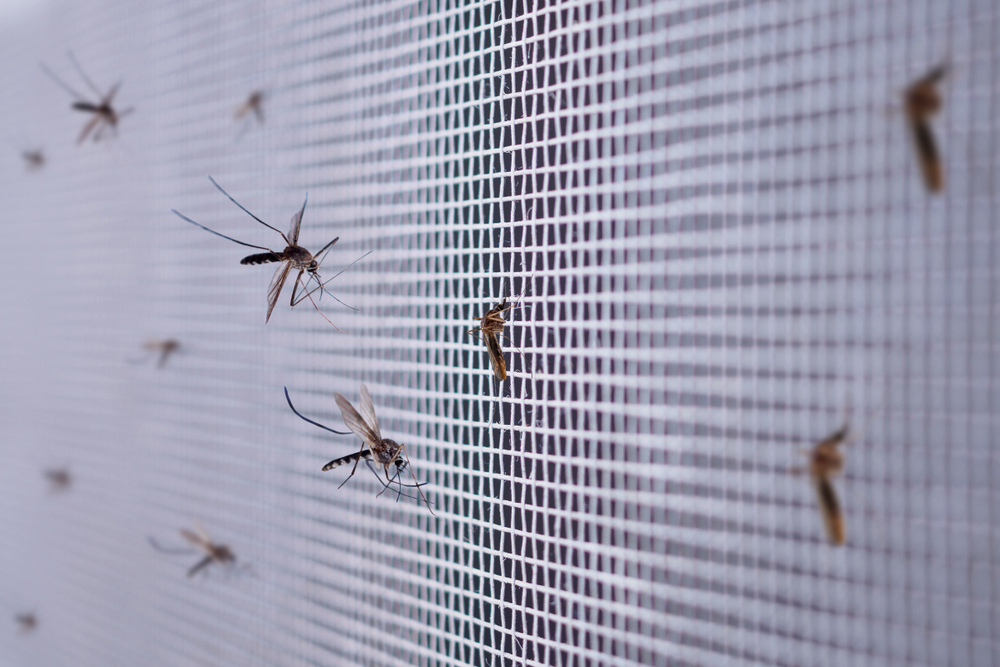
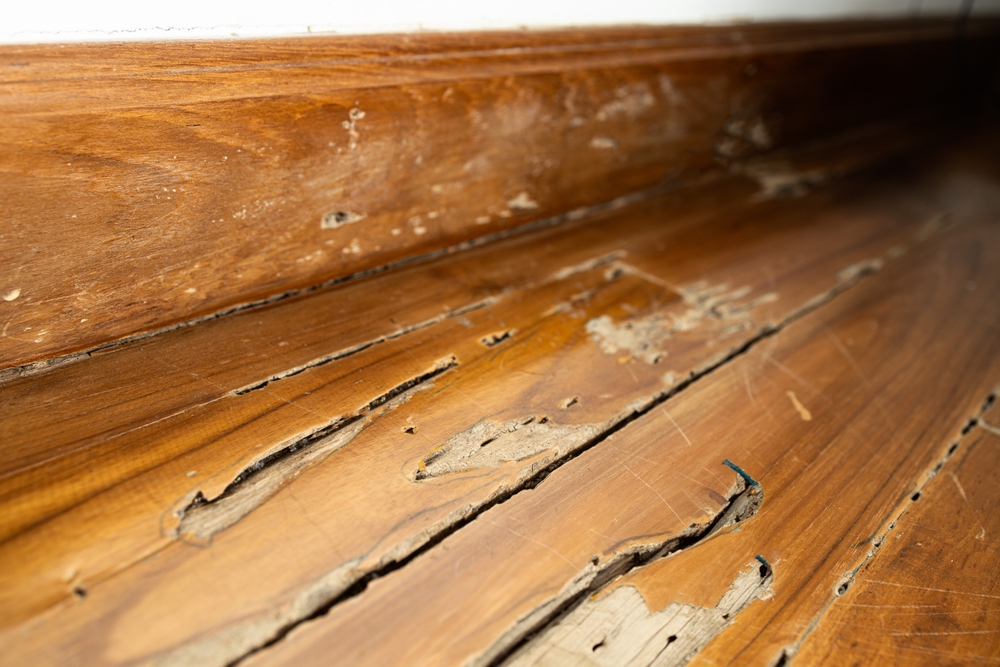
Living along the NC coast has its perks: beautiful beaches, fresh ocean air, and a slower pace of life. However, for homeowners and property managers in the Outer Banks, springtime brings with it a host of pest-related concerns. The warm, humid environment typical of spring months along the coast creates the perfect breeding ground for a variety of pests. These range from ants and termites to mosquitoes, rodents, and roaches. The impact is not only a nuisance but can quickly become a serious problem for both permanent residents and vacation rental owners.
Spring pest control on the Outer Banks is more than just a seasonal chore. It’s a vital form of home protection. As insects emerge from winter dormancy, they begin searching for food, water, and nesting grounds. Without preventive pest control, Outer Banks homes and rentals can quickly become infested. Salt air and sandy terrain can also degrade building materials over time, leaving gaps and crevices that pests exploit to gain entry. This makes early detection and treatment especially critical.
Protecting Vacation Rentals and Reputation
For many homeowners, Outer Banks properties double as vacation rentals during the spring and summer months. These homes not only represent an investment but also a source of steady income. Pest infestations in vacation rentals can trigger a cascade of problems, including canceled bookings, bad reviews, and costly remediation efforts. In an area like OBX, where tourism is a primary economic driver, vacation rental pest control is a must.
Guests expect clean, pest-free accommodations. A single online complaint about bugs can deter future visitors and damage a property’s rating across major booking platforms. In the competitive vacation rental market of the Outer Banks, maintaining a pristine reputation is essential. Seasonal pest control in NC coastal regions ensures that vacation properties remain safe, sanitary, and inviting. Professional Outer Banks pest control services understand the urgency of seasonal readiness and offer customized plans that align with the rental calendar.
The Importance of Preventive Pest Control in Spring
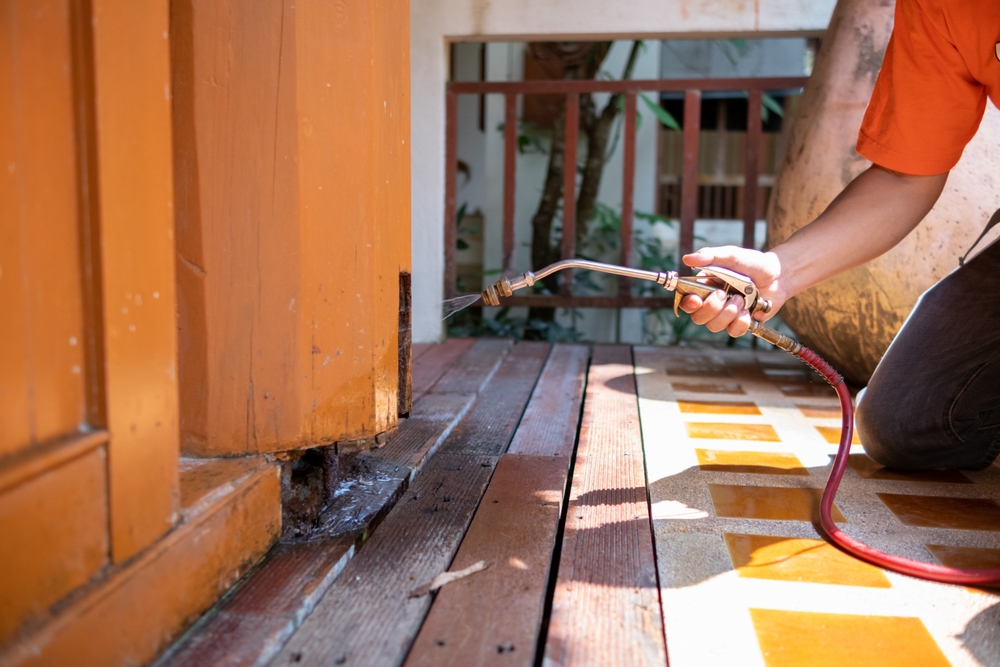
Spring is the ideal time to take proactive steps against pest invasions. Preventive pest control in the Outer Banks during this season means addressing issues before they become visible problems. This includes sealing entry points, treating exterior perimeters, clearing moisture-prone areas, and monitoring pest activity with traps and sensors. Many infestations start small and undetected. By the time residents notice signs, the situation may already be widespread.
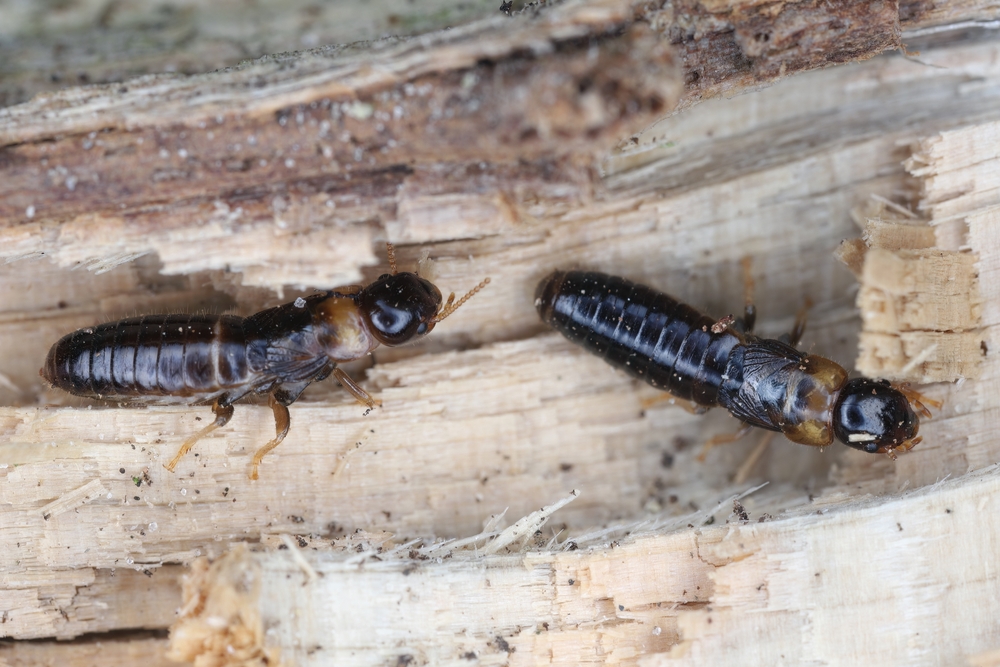
For beach homes in particular, pests like termites and carpenter ants pose a structural risk. Moisture from spring rains combined with the salty air accelerates wood decay, creating an inviting environment for these destructive insects. Similarly, mosquitoes flourish in standing water left behind after storms. Spring treatments can disrupt breeding cycles before they begin, reducing population growth throughout the summer.
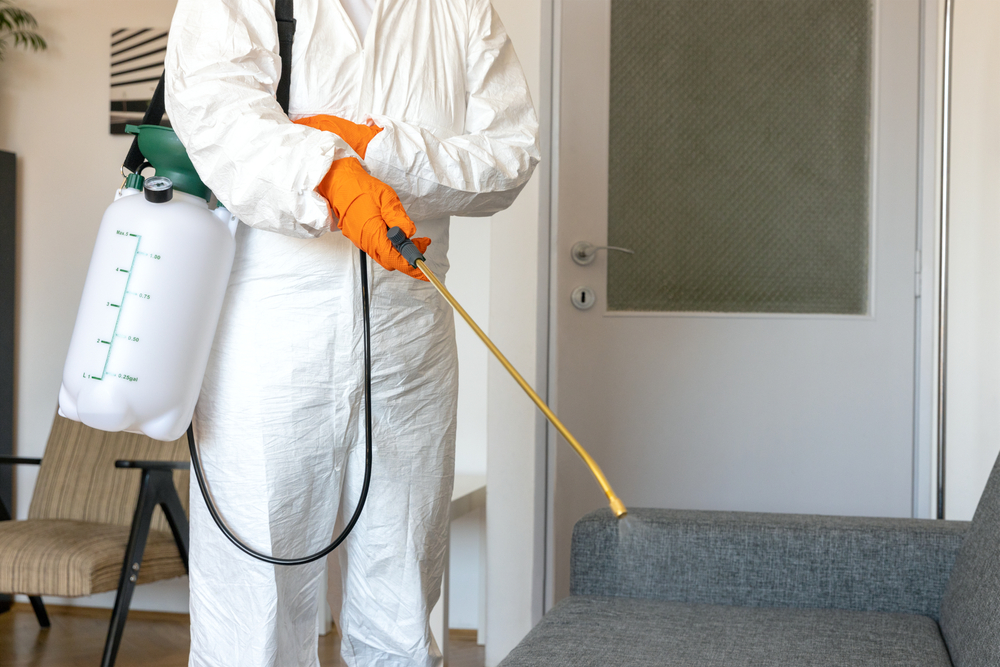
Pest prevention for beach homes often requires a specialized approach. Generic treatments are rarely effective long term. Outer Banks pest control services use targeted solutions that take into account local species, weather conditions, and property types. Their knowledge of the coastal ecosystem ensures better outcomes for homeowners and property managers alike.
Seasonal Pest Trends on the NC Coast
Each season along the NC coast brings its own pest challenges, but spring marks a key transition period when many pests become active again. Among the most common threats in the Outer Banks during spring are termites, ants, ticks, spiders, and rodents. Some of these species, like the Formosan termite or Norway rat, are particularly aggressive and can cause expensive damage if left unchecked.
Warmer temperatures encourage increased reproductive activity among pests. Insects that lay eggs in early spring can produce multiple generations by the end of summer. Rodents begin foraging more actively after the cold months, often seeking shelter in garages, attics, or crawlspaces. Spiders spin webs near light sources, taking advantage of the flying insects that are drawn to rental homes at night.
Seasonal pest control on the NC coast takes into account these behavioral cycles. Rather than relying on reactive measures, smart property owners and managers work with OBX professionals to schedule treatments ahead of peak activity. This reduces the likelihood of infestations and keeps pest populations at manageable levels throughout the busy rental season.
Long-Term Savings and Peace of Mind
Investing in spring pest control can lead to significant cost savings in the long run. Treating a minor ant issue in March is far less expensive than repairing termite damage discovered in July. Early intervention helps preserve the structural integrity of homes and avoids the financial burden of large-scale extermination or restoration efforts.
For property managers juggling multiple vacation rentals, consistency in pest control services creates operational efficiency. Having a trusted Outer Banks pest control service on a seasonal plan means fewer emergencies, faster turnaround between guests, and fewer guest complaints. It also frees up time to focus on other aspects of managing a high-turnover property during the spring and summer tourism waves.
Peace of mind is another major benefit. Knowing that a property is being protected by professionals using environmentally responsible and locally effective treatments allows homeowners to relax and enjoy the coastal lifestyle. For absentee owners or those living outside the OBX, having a seasonal pest control plan in place ensures their investment is being looked after year-round.
Conclusion
Spring pest control is not just a smart choice for Outer Banks homeowners and rental property managers, it is a critical component of maintaining both property value and guest satisfaction. The unique climate and geography of the NC coast create favorable conditions for pests, and only a proactive, locally informed approach can keep them in check. From structural concerns to rental reputation, the risks of neglecting seasonal pest control in OBX are too great to ignore.
By partnering with experienced Outer Banks pest control services, property owners can safeguard their homes and ensure a clean, comfortable environment for family, guests, and renters. Whether the goal is to protect a cherished beach home or ensure a profitable vacation rental season, investing in professional pest prevention for beach homes during spring offers lasting benefits. As warmer weather approaches, now is the time to act and secure peace of mind before pests become a costly problem.
Need Pest Control Services in Outer Banks, NC?
We here at Outer Banks Pest Control are a leading pest management company offering a wide range of services to residential and commercial clients. With a team of highly experienced and licensed entomologists, we ensure effective solutions for all your pest-related concerns. We specialize in the extermination and prevention of termites, rodents, roaches, bed bugs, ants, mosquitos, spiders, honey bees, and wasps. Our comprehensive services include free estimates, allowing our customers to have a clear understanding of the scope of work required. Here at Outer Banks Pest Control, we are committed to the environment and strive to save bees while efficiently dealing with dry wood and subterranean termites. Contact ustoday to learn more about what we can do for you!
The Outer Banks of North Carolina is a cherished coastal destination, known for its natural beauty, ocean breezes, and relaxed lifestyle. However, its humid climate, sandy soil, and year-round moderate temperatures also make it a perfect environment for a wide range of pest infestations. From termites silently destroying homes to mosquitoes turning a summer evening into an itchy nightmare, residents and vacation homeowners face unique challenges. Understanding the most common pests in the Outer Banks and how to manage them is essential to maintaining both property value and peace of mind.
Termites: The Silent Destroyers of Coastal Homes
Among the most damaging pests found along the coast, termites are a serious concern for homeowners. The Outer Banks is particularly vulnerable due to its moisture-rich environment and wood-based construction materials. These insects often go unnoticed until significant structural damage has occurred, which makes termite control in the Outer Banks a top priority.
Subterranean termites, the most prevalent species in the area, live in colonies underground and enter homes through cracks in the foundation or via wood-to-soil contact. Once inside, they consume wooden beams, floorboards, and even drywall, compromising the integrity of the structure. Unfortunately, their activity can go undetected for months or even years.
To prevent termite infestations, early detection is key. Regular inspections by licensed pest control professionals can uncover hidden colonies before damage escalates. Coastal pest control in NC often involves a combination of liquid termiticides, baiting systems, and preventive treatments. Property owners should also eliminate wood debris around the house and ensure that crawl spaces remain dry and well-ventilated.
Rodents: Persistent Intruders with Destructive Habits
Rodents are another common nuisance in the Outer Banks, especially as the cooler months approach and mice and rats seek warmth and food indoors. These pests are more than just an inconvenience; they can gnaw through insulation, wires, and wooden framing, leading to fire hazards and costly repairs. Moreover, rodents carry diseases and bacteria that pose health risks to residents and pets.
One of the biggest challenges with rodent control in the Outer Banks is the abundance of access points that homes typically have, including roof gaps, foundation cracks, and uncovered vents. Once inside, rodents breed rapidly, turning a small problem into a widespread infestation.
Prevention begins with sealing all possible entryways and maintaining a tidy environment. Pet food, garbage, and pantry items should be stored in sealed containers. Homeowners should trim back vegetation and remove outdoor clutter that may provide hiding spots. In cases where rodent activity has already begun, professional intervention is often required. Trapping, exclusion techniques, and strategic baiting systems are commonly used by coastal pest control services to eliminate rodent populations safely and effectively.
Mosquitoes: Unwelcome Guests in Paradise
Nothing ruins a peaceful summer evening on the porch faster than a swarm of mosquitoes. These flying pests are not only annoying but can also transmit diseases such as West Nile virus and Eastern equine encephalitis. The humid, marshy environment of the OBX offers ideal breeding conditions, especially after heavy rainfall or hurricane season.
Mosquitoes lay eggs in standing water, which means birdbaths, clogged gutters, and even discarded toys or planters can become breeding sites. Effective mosquito control in OBX begins with eliminating these water sources whenever possible. Regularly emptying containers and improving drainage around the property can help reduce mosquito populations.
Insecticide treatments, fogging, and larvicide applications are additional measures used by professionals to suppress mosquito activity. Homeowners might also consider installing screens on windows and doors and using outdoor fans to make areas less hospitable to mosquitoes. A long-term solution often involves working with coastal pest control experts to develop an integrated mosquito management plan that addresses both adult populations and breeding grounds.
Ants: Tiny Invaders with Big Impact
Ant infestations are one of the most frequently reported Outer Banks pest problems. Several species can be found in the region, including pavement ants, carpenter ants, and the aggressive Argentine ant. While many ants are more of a nuisance than a threat, carpenter ants in particular pose a risk to wooden structures, much like termites.
These ants prefer moist, decaying wood and often set up colonies in wall voids, under floors, or in roof eaves. Once established, they can weaken structural supports over time. Argentine ants, on the other hand, are known for forming massive colonies and invading homes in search of food, especially during warm months.
To manage ant infestations, it is important to locate and destroy the colony. Surface sprays may kill visible ants but rarely address the root of the problem. A targeted approach using bait stations and insecticides placed near entry points is more effective. Homeowners should also seal cracks in foundations, repair leaks, and keep kitchens free of crumbs or food residue to discourage ant activity. Enlisting a professional pest control service can ensure a more thorough and lasting solution, especially for persistent colonies.
Cockroaches: Resilient Survivors in Humid Environments
Cockroaches thrive in warm, humid climates, making the Outer Banks an ideal location for these resilient pests. German cockroaches, American cockroaches, and smoky brown cockroaches are the most commonly found species in the area. These insects are not just unpleasant to look at; they contaminate food, trigger allergies, and can carry pathogens that pose serious health risks.
Cockroaches are nocturnal and often hide in cracks, behind appliances, and in dark, moist areas such as bathrooms and kitchens. They are particularly difficult to eliminate because of their ability to reproduce quickly and resist many over-the-counter pesticides.
Preventive steps include reducing clutter, sealing food containers, fixing plumbing leaks, and improving ventilation. Sanitation plays a huge role in deterring cockroach infestations. However, once a problem takes hold, it is best addressed by trained technicians who can apply targeted treatments in infested zones. Integrated pest management strategies that include baiting, sealing, and monitoring are most effective in reducing long-term infestations.
Conclusion
Dealing with common pests in the Outer Banks is a year-round challenge due to the region’s unique coastal climate. Whether it is termites undermining your home’s foundation, rodents making nests in your attic, mosquitoes invading your backyard, ants taking over your kitchen, or cockroaches spreading bacteria in your living space, effective pest control requires both proactive measures and professional support.
By partnering with reliable coastal pest control providers in NC, homeowners can safeguard their properties against costly damage and enjoy a healthier, pest-free environment. Regular inspections, property maintenance, and prompt action at the first sign of infestation are key strategies to staying ahead of these threats. With the right approach, Outer Banks pest problems can be managed effectively, ensuring that your coastal home remains a safe and pleasant retreat all year long.
Need Pest Control Services in Outer Banks, NC?
We here at Outer Banks Pest Control are a leading pest management company offering a wide range of services to residential and commercial clients. With a team of highly experienced and licensed entomologists, we ensure effective solutions for all your pest-related concerns. We specialize in the extermination and prevention of termites, rodents, roaches, bed bugs, ants, mosquitos, spiders, honey bees, and wasps. Our comprehensive services include free estimates, allowing our customers to have a clear understanding of the scope of work required. Here at Outer Banks Pest Control, we are committed to the environment and strive to save bees while efficiently dealing with dry wood and subterranean termites. Contact ustoday to learn more about what we can do for you!
The coastal lifestyle in the Outer Banks offers ocean views, salty breezes, and a relaxed pace of living that many homeowners love. At the same time, the same environmental factors that make this area unique also contribute to ongoing pest challenges. Warm temperatures, high humidity, and seasonal tourism create ideal conditions for insects and rodents to thrive. Understanding how pest problems develop, how to recognize early warning signs, and when professional help is needed can protect both your home and your peace of mind in the Outer Banks, NC.
Why Pest Problems Are Common in the Outer Banks
Homes in the Outer Banks face a combination of environmental and structural factors that make pest activity more likely than in many inland areas. The coastal climate is mild for much of the year, which allows insects to remain active longer. Moist air, frequent storms, and sandy soil create environments where pests can easily nest and reproduce.
Many properties in the Outer Banks are also vacation rentals or seasonal homes. Periods of vacancy can give pests time to settle in unnoticed. Even well maintained houses may experience pest problems if doors, windows, or crawl spaces are not sealed properly. Salt air can accelerate wear on building materials, creating small gaps that insects and rodents use as entry points.
Another contributing factor is the abundance of natural food sources. Marshes, dunes, and maritime forests support a wide range of wildlife. While these ecosystems are beautiful, they also mean pests are never far from residential areas. Homeowners may notice increased pest activity during storms or temperature changes, when insects and rodents seek shelter indoors.
Because of these conditions, pest control services are not just a reactive measure but an important part of ongoing home maintenance. Recognizing how the local environment influences pest behavior helps homeowners stay alert and proactive.
Ants, Cockroaches, and Other Insects to Watch For
Insects are among the most common pest problems in Outer Banks homes. Ants are especially prevalent, often entering kitchens and bathrooms in search of moisture and food. Some species, such as carpenter ants, can cause structural damage by nesting in damp wood, which is a concern in humid coastal conditions.
Cockroaches are another frequent issue, particularly in older homes or properties near water. These insects thrive in warm, moist environments and are skilled at hiding in walls, cabinets, and appliances. Seeing one cockroach during the day often indicates a larger infestation nearby. Their presence can also raise health concerns, as they are known to carry bacteria and trigger allergies.
Other insects to watch for include termites, mosquitoes, and silverfish. Termites are especially damaging because they can silently weaken a home’s structure before visible signs appear. Mosquitoes are more of an outdoor nuisance, but they often enter homes through open doors or windows, especially during peak tourist seasons. Silverfish prefer dark, humid areas and may be found in bathrooms or storage spaces.
Homeowners should pay close attention to household pest signs, Outer Banks residents commonly report, such as small piles of debris near baseboards, insect wings near windows, or unexplained bites. Early detection is key, as insect populations can grow rapidly if left untreated.
Rodents and Wildlife Intrusions in Coastal Homes
Rodents are another significant concern for homeowners in the Outer Banks. Mice and rats are attracted to warm shelter and food, especially during cooler months or after storms. They can enter homes through very small openings, often around utility lines or damaged vents.
Once inside, rodents can cause extensive damage. They chew through insulation, wiring, and stored items, increasing the risk of fire and costly repairs. Their droppings and urine also pose health risks, contaminating surfaces and air quality. Scratching noises in walls or ceilings are often one of the first clues that rodents are present.
In addition to mice and rats, some homes may experience issues with raccoons, squirrels, or bats. These animals are drawn to attics, chimneys, and crawl spaces that provide shelter from the elements. Wildlife intrusions are particularly common in properties located near wooded areas or dunes.
Because wildlife issues often involve safety and legal considerations, they should be handled carefully. A local exterminator understands regional regulations and humane removal practices. Addressing rodent and wildlife problems promptly helps prevent long term damage and recurring infestations.
When Household Pest Signs Mean You Need Professional Help
While some minor pest issues can be managed with basic prevention and cleaning, there are times when professional intervention is necessary. Persistent sightings, unexplained noises, or recurring infestations usually indicate a deeper problem that requires expert assessment.
One of the clearest household pest signs, Outer Banks homeowners should not ignore is repeated activity despite using store bought treatments. Over the counter solutions may reduce visible pests temporarily, but they often fail to address nests, entry points, or underlying moisture issues. This can allow the problem to return quickly, sometimes in greater numbers.
Structural damage is another reason to call a professional. Evidence of chewed wood, sagging floors, or damaged insulation may point to termites or rodents. These issues can worsen over time and become expensive if not addressed early. Health concerns, such as allergies, asthma flare ups, or contamination from droppings, also justify immediate action.
Professional pest control specialists provide, includes thorough inspections, targeted treatments, and prevention strategies tailored to coastal homes. A local exterminator, Outer Banks residents rely on, understands seasonal patterns and common pest behaviors unique to the area. This local expertise ensures more effective and lasting results.
Conclusion
Living in the Outer Banks comes with many rewards, but it also requires awareness of the pest challenges that accompany a coastal environment. From insects like ants and cockroaches to rodents and wildlife seeking shelter, pest problems can affect any home regardless of age or location. Recognizing early warning signs and understanding when to seek professional help can make a significant difference.
By staying attentive to household pest signs, Outer Banks homeowners can address issues before they escalate. Routine inspections, proper maintenance, and timely professional support are essential parts of protecting your property. With the right approach and trusted pest control, Outer Banks residents can enjoy their homes with confidence and comfort throughout the year.
Need Pest Control Services in Outer Banks, NC?
We here at Outer Banks Pest Control are a leading pest management company offering a wide range of services to residential and commercial clients. With a team of highly experienced and licensed entomologists, we ensure effective solutions for all your pest-related concerns. We specialize in the extermination and prevention of termites, rodents, roaches, bed bugs, ants, mosquitos, spiders, honey bees, and wasps. Our comprehensive services include free estimates, allowing our customers to have a clear understanding of the scope of work required. Here at Outer Banks Pest Control, we are committed to the environment and strive to save bees while efficiently dealing with dry wood and subterranean termites. Contact ustoday to learn more about what we can do for you!
The Outer Banks is known for its coastal beauty, warm breezes, and long summer days that invite residents and visitors outdoors. At the same time, the unique environment of the Outer Banks, NC creates ideal conditions for mosquitoes to thrive. High humidity, frequent rain showers, and expansive marshlands combine to support rapid mosquito breeding as temperatures rise. For property owners, understanding these seasonal factors is the first step toward effective mosquito control and long term comfort.
During the summer months, standing water can appear almost overnight after storms or high tides. Even small amounts of water trapped in sandy soil, dunes, or low lying yards can become breeding grounds. The OBX climate accelerates mosquito life cycles, allowing populations to increase quickly if left unmanaged. This makes early preparation essential for summer pest prevention, especially for properties near soundside areas, maritime forests, or canals.
Another factor unique to the Outer Banks is the steady flow of seasonal visitors. Rental properties, second homes, and vacation cottages may sit vacant for stretches of time, giving mosquitoes an opportunity to establish themselves without disturbance. When guests arrive, the presence of mosquitoes can significantly impact their experience, leading to complaints or reduced outdoor enjoyment. Proactive outdoor pest protection in the Outer Banks is not only about comfort, but also about protecting property value and reputation.
By recognizing how the coastal environment influences mosquito activity, property owners can make informed decisions about prevention strategies. Preparation before peak season arrives allows for more effective control, fewer infestations, and a more enjoyable summer overall.
Inspecting and Eliminating Standing Water Around Your Property
One of the most important steps in mosquito control is identifying and eliminating standing water. In the Outer Banks, rainfall and coastal conditions make this task especially critical. Mosquitoes require very little water to reproduce, and even shallow puddles can support hundreds of larvae within days.
Start by walking your property after a heavy rain. Pay attention to low spots in the yard where water tends to collect and linger. Sandy soil can be deceptive, as water may pool just beneath the surface while remaining unnoticed. Areas near outdoor showers, air conditioning units, and irrigation systems are also common sources of excess moisture. Addressing drainage issues early can dramatically reduce mosquito activity throughout the summer.
Gutters and downspouts deserve special attention, particularly in homes surrounded by trees or shrubs. Leaves and debris can trap water, creating hidden breeding areas. Regular cleaning ensures that rainwater flows freely away from the structure. Similarly, check for items such as buckets, planters, tarps, or recreational equipment that may collect rainwater. In the OBX, strong coastal winds can shift objects around the yard, creating new water holding areas without warning.
Water features like birdbaths or decorative ponds should be maintained carefully. While these features add charm to an Outer Banks property, stagnant water invites mosquitoes. Refreshing water frequently or adding circulation can help discourage breeding. By consistently monitoring and managing standing water, property owners lay a strong foundation for summer pest prevention that supports all other control efforts.
Landscaping Strategies That Support Summer Pest Prevention
Landscaping plays a major role in outdoor pest protection in the Outer Banks. Dense vegetation, overgrown shrubs, and unmanaged ground cover provide ideal resting places for mosquitoes during the heat of the day. Thoughtful landscaping choices can reduce these habitats while still preserving the natural beauty that defines the OBX.
Keeping grass trimmed and vegetation well maintained helps limit shaded, humid areas where mosquitoes prefer to hide. Pruning shrubs and thinning out dense plantings allows for better air circulation and increased sunlight, both of which create less favorable conditions for mosquitoes. This is especially important near patios, decks, and walkways where people spend the most time outdoors.
Native plants are popular in the Outer Banks because they are well adapted to coastal conditions. However, even native landscaping should be managed carefully. Some plants retain moisture or grow densely, which can encourage mosquito activity if left unchecked. Strategic spacing and routine maintenance help balance ecological benefits with effective mosquito control.
Mulch is another consideration for summer pest prevention. While mulch helps retain soil moisture and protect plant roots, excessive moisture can attract mosquitoes. Using mulch sparingly and ensuring proper drainage beneath it can minimize this risk. For properties near marshes or wooded areas, creating a buffer zone between natural habitats and living spaces can further reduce mosquito encounters.
A well planned landscape does more than enhance curb appeal. It actively contributes to a healthier outdoor environment, making mosquito control efforts more effective and sustainable throughout the summer season.
Structural and Outdoor Measures for Long Term Mosquito Control
Beyond landscaping and water management, structural improvements play a key role in mosquito control for Outer Banks properties. These measures help prevent mosquitoes from entering living spaces and reduce their presence in high traffic outdoor areas.
Screens on windows, doors, and porches should be inspected before summer begins. Even small tears or gaps can allow mosquitoes inside, especially during evening hours when lights attract them. Repairing or replacing damaged screens creates a strong barrier that protects indoor comfort without sacrificing fresh coastal air.
Outdoor living spaces are central to the OBX lifestyle, making their protection especially important. Decks, patios, and pool areas benefit from consistent cleaning and maintenance. Removing debris, rinsing surfaces, and ensuring proper drainage all help limit mosquito activity. Ceiling fans or portable fans in covered outdoor areas can also be effective, as mosquitoes struggle to fly in steady airflow.
Lighting choices influence mosquito behavior as well. Some outdoor lights attract insects more than others, increasing mosquito presence near entryways and seating areas. Selecting lighting designed to minimize insect attraction can make evenings more enjoyable while supporting broader summer pest prevention goals.
For many property owners, professional mosquito control services provide an added layer of protection. Regular treatments tailored to the unique conditions of the Outer Banks, NC can significantly reduce mosquito populations when combined with preventive measures. Whether managing a primary residence or a vacation rental, investing in comprehensive outdoor pest protection in the Outer Banks helps ensure a comfortable and welcoming environment all summer long.
Conclusion
Preparing your Outer Banks property for summer mosquito season requires a thoughtful and proactive approach. The coastal climate, abundant moisture, and natural landscapes of the OBX create conditions where mosquitoes can flourish if left unmanaged. By understanding these risks and taking early action, property owners can significantly reduce mosquito activity before it becomes a problem.
Effective mosquito control begins with eliminating standing water and continues through smart landscaping and structural maintenance. Each step supports summer pest prevention efforts that protect both comfort and property value. When combined with professional services when needed, these strategies offer reliable outdoor pest protection in the Outer Banks throughout the warmest months.
A well prepared property allows residents and guests to fully enjoy everything the Outer Banks has to offer, from ocean breezes to sunset gatherings. With consistent attention and seasonal planning, mosquito season does not have to define the summer experience in Outer Banks, NC.
Need Pest Control Services in Outer Banks, NC?
We here at Outer Banks Pest Control are a leading pest management company offering a wide range of services to residential and commercial clients. With a team of highly experienced and licensed entomologists, we ensure effective solutions for all your pest-related concerns. We specialize in the extermination and prevention of termites, rodents, roaches, bed bugs, ants, mosquitos, spiders, honey bees, and wasps. Our comprehensive services include free estimates, allowing our customers to have a clear understanding of the scope of work required. Here at Outer Banks Pest Control, we are committed to the environment and strive to save bees while efficiently dealing with dry wood and subterranean termites. Contact ustoday to learn more about what we can do for you!
Living in Manteo, NC offers undeniable charm, historic neighborhoods, and close proximity to the water. However, the same coastal environment that makes this area desirable also creates ideal conditions for termites. Warm temperatures, high humidity, and sandy soils combine to support large termite populations that remain active for much of the year. Homeowners often underestimate how quickly termites can establish colonies and cause damage, especially when the signs remain hidden behind walls, under floors, or within crawl spaces.
Termites feed on cellulose, which is found in wood and many building materials. Coastal homes frequently include wood framing, decks, porches, and siding, all of which can become targets if moisture is present. In Manteo, NC, damp conditions are common due to rainfall, coastal air, and periodic storms. These factors make proactive termite control a critical part of responsible homeownership.
Subterranean termites are the most common species in this region. They live in the soil and build mud tubes to access food sources above ground. Because their activity is often concealed, infestations can grow for years before homeowners notice visible damage. Understanding these risks is the first step toward protecting your investment and maintaining the long term integrity of your home.
Why Coastal Homes in the Outer Banks Are Vulnerable
Homes throughout the Outer Banks face unique challenges when it comes to structural pests. The coastal climate produces consistent moisture levels that termites need to survive and reproduce. Even well maintained properties can develop vulnerabilities if water drainage, ventilation, or landscaping creates areas where moisture accumulates near the foundation.
Many homes in Manteo are built with crawl spaces, which can trap humidity if not properly ventilated or sealed. Excess moisture in these areas softens wood and creates an inviting environment for termites. Additionally, coastal soil tends to be sandy, making it easier for subterranean termites to tunnel and establish colonies close to structures.
Another factor is the age and design of many homes in the area. Historic and older homes often contain original wood materials that may not have been treated with modern protective products. Renovations and additions can also introduce new wood that, if left untreated, becomes an easy target. Even newer homes are not immune, as termites are persistent and adaptable.
Seasonal storms and occasional flooding further increase risk by saturating the ground and weakening barriers around foundations. After these events, termite activity often increases as colonies search for new food sources. For homeowners in the Outer Banks, awareness of these vulnerabilities highlights why prevention and early intervention matter so much.
Effective Termite Prevention Strategies for Homeowners
Preventing termite infestations requires a combination of awareness, maintenance, and professional guidance. While no method can guarantee complete protection, consistent preventive efforts significantly reduce the likelihood of serious damage. One of the most important steps is moisture management. Ensuring that gutters, downspouts, and drainage systems direct water away from the foundation helps keep soil and structural wood dry.
Crawl spaces and basements should be well ventilated and, when possible, sealed with vapor barriers to reduce humidity. Repairing leaks promptly, whether from plumbing or roofing issues, also limits the conditions termites need to thrive. Wood to soil contact should be minimized, as direct contact provides an easy entry point for subterranean termites.
Landscaping choices matter as well. Mulch, while beneficial for plants, can retain moisture and should be kept several inches away from the foundation. Firewood should be stored off the ground and at a distance from the home. Regular inspections of decks, fences, and exterior wood structures help catch early signs of termite activity before it spreads.
Homeowners searching for ways to prevent termites, NC style, often find that professional inspections offer the most reliable peace of mind. Trained technicians know where to look, what signs to identify, and how to recommend customized prevention plans based on the home’s design and location. Preventive termite control is typically more affordable and less disruptive than repairing extensive damage later.
Professional Termite Treatment Options in Manteo, NC
When termites are detected, prompt action is essential. Professional termite treatment methods have advanced significantly, offering effective solutions that target colonies while minimizing disruption to homeowners. In Manteo, NC, licensed pest control professionals tailor their approach to local conditions and termite species.
Liquid barrier treatments are among the most common solutions. These treatments are applied to the soil around and beneath the home, creating a protective zone that termites cannot cross. Modern products are designed to be transferred among termites, allowing the treatment to reach the colony and eliminate it over time. This method provides long lasting protection when properly applied and maintained.
Baiting systems are another effective option, especially for ongoing monitoring and control. These systems are placed around the property and contain materials that attract termites. Once feeding begins, the bait disrupts the colony’s growth and reproduction. Baiting can be particularly useful in environmentally sensitive areas and offers continuous monitoring benefits.
In some cases, a combination of methods delivers the best results. The choice of termite treatment depends on factors such as infestation severity, soil conditions, and the structure of the home. Professional termite control services in Manteo, NC also include follow up inspections and maintenance plans to ensure long term protection.
Choosing experienced professionals familiar with the Outer Banks environment is important. Local expertise ensures that treatments comply with regional regulations and address the specific challenges posed by coastal conditions. Effective termite control not only removes current infestations but also helps safeguard the home against future threats.
Conclusion
Protecting a home in Manteo, NC from termites requires understanding, vigilance, and proactive care. The coastal climate of the Outer Banks creates ideal conditions for termite activity, making prevention and early detection especially important. By managing moisture, maintaining the structure, and seeking regular inspections, homeowners can significantly reduce their risk.
When infestations occur, professional termite treatment provides reliable and lasting solutions that address the problem at its source. Investing in expert termite control is an investment in the safety, value, and longevity of your home. With the right strategies and support, homeowners can enjoy coastal living with confidence, knowing their property is well protected against one of the region’s most persistent threats.
Need Pest Control Services in Outer Banks, NC?
We here at Outer Banks Pest Control are a leading pest management company offering a wide range of services to residential and commercial clients. With a team of highly experienced and licensed entomologists, we ensure effective solutions for all your pest-related concerns. We specialize in the extermination and prevention of termites, rodents, roaches, bed bugs, ants, mosquitos, spiders, honey bees, and wasps. Our comprehensive services include free estimates, allowing our customers to have a clear understanding of the scope of work required. Here at Outer Banks Pest Control, we are committed to the environment and strive to save bees while efficiently dealing with dry wood and subterranean termites. Contact ustoday to learn more about what we can do for you!