How to Tell If You Have Rodents in Your Attic or Crawlspace
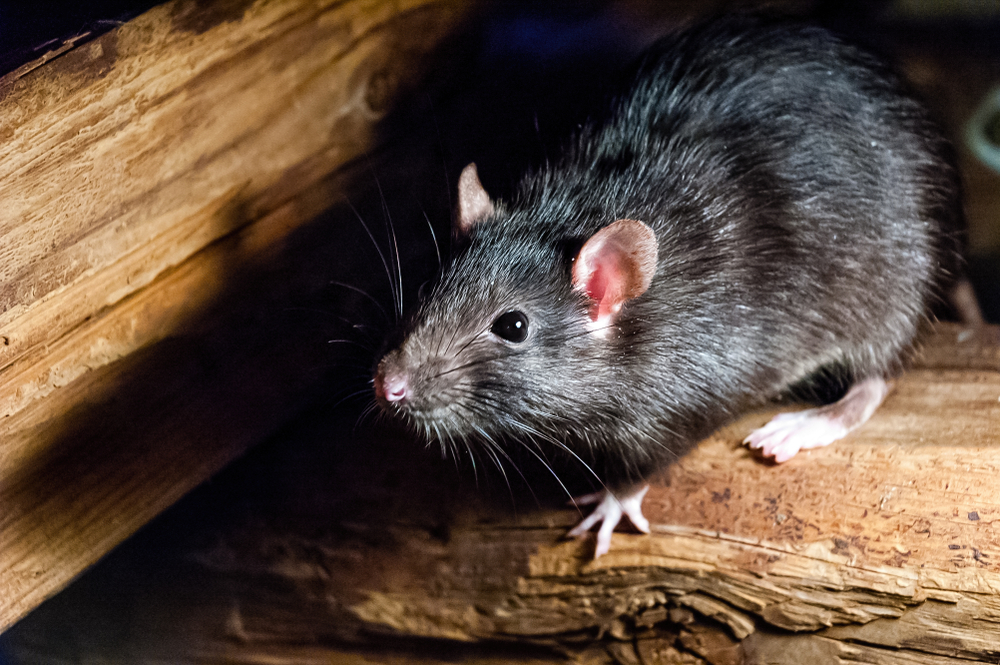
A faint scratching sound above the ceiling or movement beneath the floor can be easy to dismiss. For homeowners in Manteo, however, attics and crawlspaces can provide rodents with secluded places to shelter, nest, and move through a home without being seen.
The clearest signs of rodents in an attic or crawlspace include droppings, gnaw marks, scratching or rustling noises, nesting material, damaged insulation, and gaps that could provide access from outside. Finding one sign does not always confirm an active infestation, but multiple signs in the same area are a good reason to investigate further.
What local homeowners should know
-
Rodents often remain hidden, so droppings, gnawing, nests, and noises may appear before you actually see an animal.
-
Crawlspaces common to homes around Manteo and Dare County deserve particular attention because openings around vents, doors, pipes, and utilities can provide potential entry points.
-
Attics should be checked around soffits, roof penetrations, vents, utility openings, and areas where insulation has been disturbed.
-
Coastal weather and moisture can make crawlspace inspections less comfortable, so homeowners should avoid entering areas that appear unsafe, wet, damaged, or contaminated.
-
Finding and correcting the entry point is an important part of preventing recurring rodent activity.
Rodent activity matters locally because Outer Banks homes face conditions that can put exterior building components through plenty of wear. Wind, humidity, storms, salt air, and routine maintenance issues can affect vents, screens, soffits, doors, and other potential openings over time. Homes near Roanoke Sound, Shallowbag Bay, Downtown Manteo, and surrounding Dare County communities can all benefit from periodic exterior inspections.
Outer Banks Pest Control helps local property owners identify pest activity and determine an appropriate response. When we inspect for rodents, the goal is not simply to find an animal. It is to understand where activity is occurring, how rodents may be getting inside, and what conditions may be contributing to the problem.
Local Data and Field Observations
Rodent evidence is often easier to find than the rodents themselves, which makes careful inspection one of the most useful ways to identify a possible attic or crawlspace problem. NC State Extension identifies droppings, chewing damage, nesting evidence, odors, and scratching or rustling noises among signs associated with structure-invading rodents.
NC State Extension also recommends examining potential exterior access points around plumbing, electrical lines, foundations, soffits, exhaust vents, roofs, and similar openings. Attic and crawlspace openings should have secure doors or properly screened vents.
That guidance is especially relevant to properties around Roanoke Island, where attics and crawlspaces may contain numerous utility penetrations, vents, access doors, and transitions that deserve inspection.
How Can Rodents Affect Your Manteo Home?
Rodents in a Manteo home can contaminate secluded areas, disturb insulation, damage stored materials, and gnaw on wood, plastic, or wiring. Because much of this activity can happen inside an attic, crawlspace, or wall void, damage may continue for some time before it becomes obvious in the living space.
Gnawing deserves particular attention. NC State Extension notes that rats may chew materials including wood, plastic, insulation, and wires. Damage to wiring can create more than a pest-control problem.
Rodent waste is another concern. Droppings and contaminated nesting areas should be handled cautiously rather than swept or vacuumed without appropriate precautions.
What Are the Warning Signs of Rodents in an Attic or Crawlspace?
The main warning signs of rodents are droppings, gnaw marks, nighttime noises, nesting material, odors, tracks, disturbed insulation, and visible entry points. Homeowners in Manteo may notice several of these clues before ever seeing a mouse or rat.
Look for:
-
Droppings: Small dark pellets around walls, insulation, stored items, pipes, or secluded corners can indicate activity.
-
Scratching or rustling: Sounds from the ceiling, walls, or beneath floors, especially when the house is quiet, deserve investigation.
-
Gnaw marks: Check wood, plastic containers, wiring, stored belongings, and other materials for fresh chewing.
-
Nesting material: Shredded paper, fabric, insulation, or similar material collected in a protected location may indicate a nest.
-
Unusual odors: Persistent musty or urine-like odors can accompany established rodent activity.
-
Tracks or travel paths: Dusty crawlspaces may reveal footprints or frequently traveled routes along walls.
-
Disturbed insulation: Compressed, moved, shredded, or contaminated insulation may indicate animals have been traveling or nesting there.
-
Exterior gaps: Damaged vent screens, gaps around pipes, loose crawlspace doors, soffit openings, and other defects can provide possible access.
When Should You Call a Professional for Rodents?
Call a professional when you find repeated rodent evidence, cannot identify the entry point, hear ongoing activity, or discover contamination or damage in a difficult-to-access area. A professional inspection can also help distinguish rodent evidence from activity caused by other animals that may enter Outer Banks structures.
Homeowners can safely perform a visual exterior check from the ground and inspect accessible indoor areas. Avoid squeezing into unsafe crawlspaces, walking through unsupported attic areas, handling exposed wiring, or disturbing accumulations of rodent waste.
If activity keeps returning after traps are used, an unresolved entry point may be allowing new rodents inside.
What Commonly Allows Rodents Into Outer Banks Homes?
Rodents commonly enter Outer Banks homes through gaps around vents, doors, utility penetrations, foundations, soffits, and roof components. Aging materials and openings created for plumbing, wiring, HVAC equipment, or other building systems can become potential routes into protected spaces.
Common problem areas include:
1. Crawlspace vents and doors
Loose doors, damaged screens, or gaps around vents can leave lower portions of a home accessible.
2. Utility penetrations
Plumbing pipes, electrical lines, cables, and HVAC components can leave small openings where they pass through exterior surfaces.
3. Roof and soffit openings
Damaged soffits, fascia areas, vents, and roof transitions should be checked when noises are coming from an attic.
4. Food and shelter around the property
Pet food, bird seed, accessible trash, clutter, and other food or shelter sources can make a property more attractive to rodents.
5. Maintenance gaps after coastal weather
After strong winds and storms around Manteo and the Outer Banks, exterior screens, vents, and other vulnerable components are worth checking for damage.
How Can You Help Prevent Rodents in Attics and Crawlspaces?
You can reduce rodent risk by inspecting exterior openings, protecting vents, managing food sources, reducing clutter, and correcting potential access points before rodents establish themselves. For Manteo homeowners, exterior checks are especially worthwhile after severe coastal weather or when seasonal maintenance is already being performed.
Walk around the property and look for damaged screens, gaps around pipes, loose access doors, openings near the roofline, and deteriorated materials. Keep food products, including pet food and bird seed, in secure containers and avoid allowing debris to accumulate next to the structure.
Do not simply fill every suspicious hole without understanding what caused it or whether an animal is currently inside. Proper identification and an appropriate exclusion plan can prevent additional problems.
What Results Can You Expect From Professional Rodent Service?
Professional rodent service should help identify evidence, determine likely activity areas, and guide the steps needed to address the infestation and reduce opportunities for re-entry. The exact approach depends on the rodent involved, the structure, the extent of activity, and the locations where access is occurring.
For a home near Downtown Manteo, Wanchese, Nags Head, or elsewhere in Dare County, the solution may differ based on construction and site conditions. An inspection provides the information needed to determine an appropriate course of action rather than relying on guesswork.
What Mistakes Should Manteo Homeowners Avoid?
The biggest rodent-control mistakes are treating visible symptoms without addressing access, handling contaminated areas carelessly, and assuming that one trap solves the entire problem. A better approach considers the animal, its travel routes, possible nesting locations, food sources, and entry points.
Mistake: Setting a trap and ignoring the exterior.
Consequence: Additional rodents may continue entering.
Better approach: Inspect for access points as part of the control process.
Mistake: Sweeping dry droppings immediately.
Consequence: Contaminated material and dust may be disturbed.
Better approach: Follow appropriate sanitation precautions or seek professional help.
Mistake: Assuming every noise is a mouse.
Consequence: The wrong control method may be used.
Better approach: Identify the pest from physical evidence whenever possible.
Mistake: Using foam alone as a rodent barrier.
Consequence: The material may not provide reliable exclusion.
Better approach: Use appropriate rodent-resistant exclusion materials suited to the opening.
What Does a Common Local Rodent Scenario Look Like?
A common local scenario begins when a homeowner hears intermittent movement but cannot see anything inside the living area. This example is illustrative rather than a specific Outer Banks Pest Control case study.
A Roanoke Island homeowner might hear scratching above a bedroom at night. An attic check could reveal disturbed insulation and droppings near an exterior wall. An exterior inspection might then uncover a damaged opening near a vent or roof component.
The important lesson is that the sound is only one clue. Effective rodent control requires looking for evidence and determining how the animal may be entering the structure.
Which Services Can Help Solve a Rodent Problem?
Rodent inspection and control services can help determine what is active, where rodents are traveling, and which next steps are appropriate for the property. Depending on what is found, the process may involve monitoring, trapping or other control methods, sanitation recommendations, and attention to potential entry points.
For Outer Banks homeowners who are unsure what is making noise in an attic or crawlspace, professional identification can prevent wasted effort and help focus treatment where it is actually needed.
Should You Handle Rodents Yourself or Call a Professional?
DIY monitoring may be reasonable for a minor, clearly identified issue, while recurring activity, inaccessible spaces, contamination, or uncertain entry points are stronger reasons to call a professional. The right choice depends on how much evidence you find and whether you can safely reach the affected area.
A homeowner may be able to check accessible areas, remove food sources, and look for exterior defects. Professional help becomes more valuable when activity occurs deep in an attic or crawlspace, traps are unsuccessful, droppings accumulate, or the source of the infestation remains unclear.
Where Do We Provide Rodent Help Around Manteo?
We help property owners in Manteo and surrounding Outer Banks communities address rodent concerns based on the conditions found at their properties. Homes throughout Roanoke Island and nearby communities such as Wanchese and Nags Head can experience pest activity in attics, crawlspaces, storage areas, and other protected spaces.
What Can Happen If You Ignore Rodent Activity?
Ignoring rodent activity can allow contamination, nesting, gnawing, and property damage to continue while the underlying access point remains unresolved. Waiting can also make it harder to determine how widespread activity has become within an attic, crawlspace, or wall system.
A few noises do not automatically mean major damage has occurred. They are still worth investigating. Identifying activity early gives homeowners more information and a better opportunity to address contributing conditions before they persist.
Frequently Asked Questions About Rodents in Manteo Homes
How do I know whether rodents are actually in my attic?
Look for droppings, gnaw marks, nesting material, tracks, odors, disturbed insulation, and scratching or rustling sounds. One clue alone may not identify the animal, so try to locate physical evidence. If noises continue but you cannot safely inspect the attic, a professional inspection can help determine what is active.
Are scratching noises in my Manteo attic always rodents?
No, scratching noises do not automatically mean you have mice or rats. Other animals can enter or move around structural spaces, so identification matters. Look for droppings, chewing, tracks, nesting material, and entry points before choosing a control method based solely on the sound.
Where should I check for rodents in a Manteo crawlspace?
Check accessible areas around crawlspace doors, vents, foundations, plumbing penetrations, wiring, HVAC components, insulation, and walls. Look for droppings, gnaw marks, tracks, nesting materials, and openings to the exterior. Do not enter a crawlspace if moisture, electrical hazards, structural conditions, or contamination make access unsafe.
How small of an opening can a mouse use?
Adult mice can enter through surprisingly small openings, so minor-looking exterior gaps should not automatically be dismissed. NC State Extension advises addressing gaps around plumbing, drainpipes, foundations, soffits, exhaust vents, roofs, and other penetrations and notes that openings of about 1/4 inch can permit adult mouse entry.
Should Outer Banks homeowners inspect for rodents after storms?
Yes, checking vulnerable exterior components after significant coastal weather is a practical maintenance step. Look at accessible vent screens, crawlspace doors, soffits, roofline components, and utility penetrations for visible damage. Strong weather does not mean rodents will enter, but newly damaged openings can create potential access routes.
Can rodents damage wiring in an attic?
Yes, rodents can gnaw electrical wiring as well as wood, plastic, insulation, and other materials. If you find damaged or exposed wiring in an attic or crawlspace, avoid handling it yourself. The electrical issue may require evaluation by an appropriately qualified professional in addition to addressing the rodent activity.
Why do rodents keep coming back to my Dare County home?
Recurring rodents often indicate that access, food, water, or shelter conditions remain available. Removing individual rodents may address current activity without preventing new ones from entering. Inspecting potential exterior openings and reducing accessible food and shelter are important parts of a longer-term rodent-management approach.
Is it safe to clean rodent droppings myself?
Rodent droppings should be handled cautiously rather than dry swept or disturbed unnecessarily. NC State Extension recommends precautions when cleaning rat waste, including ventilation, appropriate personal protective equipment, wetting contaminated material before cleanup, sealed disposal, and sanitation. Extensive contamination or difficult access may justify professional assistance.
Protect the Hidden Spaces in Your Outer Banks Home
Attics and crawlspaces are easy to overlook until noises, droppings, or damage reveal that something is living where it should not be. Knowing the warning signs and checking potential entry points can help Manteo homeowners respond before rodent activity becomes a recurring problem.
Get Help Identifying and Addressing Rodent Activity
Protect your Manteo home by finding the source of suspicious attic or crawlspace activity. We can help evaluate the signs and determine appropriate next steps based on what is happening at your property.