A relaxing beach vacation can quickly become stressful if you wake up with unexplained bites or notice signs of bed bugs in your rental. With thousands of visitors traveling through the Outer Banks every year, vacation homes, cottages, and condos experience frequent turnover that can increase the risk of these hitchhiking pests.
Quick Answer
Bed bugs in an Outer Banks vacation rental often reveal themselves through small reddish-brown insects, tiny black stains on bedding, shed skins, blood spots on sheets, or itchy bites that appear after sleeping. Checking mattresses, headboards, upholstered furniture, and luggage areas shortly after arriving can help you identify a problem before it becomes a bigger issue.
What Local Visitors Should Know
Bed bugs do not care whether a rental is luxurious or budget friendly. Cleanliness alone does not prevent infestations.
Vacation rentals throughout the Outer Banks experience frequent guest turnover, which increases opportunities for bed bugs to travel from one location to another.
Inspecting your room when you arrive is easier than dealing with bed bugs after you’ve unpacked.
Beach vacations often involve multiple stops and hotels, making luggage one of the most common ways bed bugs spread.
Prompt reporting gives property managers a better chance to address the issue before additional guests arrive.
Why This Matters Locally
Bed bugs are excellent hitchhikers, and destinations that welcome large numbers of seasonal visitors naturally face greater exposure. Communities such as Manteo, Nags Head, Kill Devil Hills, Kitty Hawk, Duck, Corolla, and Southern Shores all have vacation properties that welcome new guests every week during peak travel season.
Unlike pests that depend on weather or food sources outdoors, bed bugs live indoors and travel with people and belongings. The constant movement of visitors throughout Dare County means vacation homes can occasionally experience infestations even when property owners follow regular cleaning schedules.
Outer Banks Pest Control helps property owners and vacation rental managers identify and address bed bug problems so guests can enjoy their stay with greater peace of mind.
Professional Field Observations
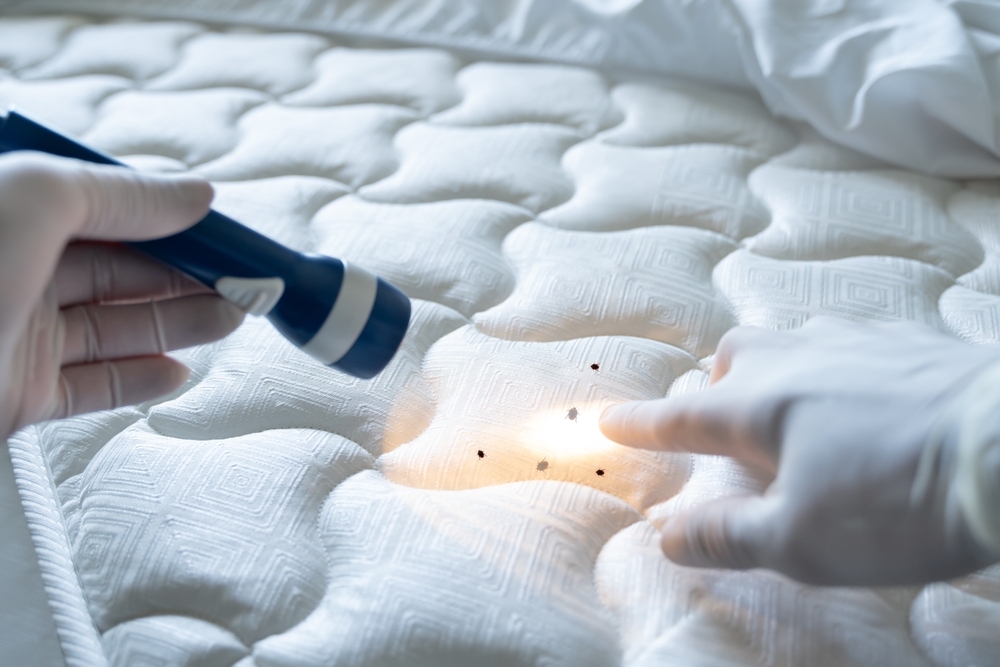
Professional pest control inspections often find that bed bugs remain hidden during the day rather than crawling across beds in plain sight. They commonly shelter inside mattress seams, box springs, bed frames, headboards, upholstered furniture, behind wall hangings, and even inside electrical outlets near sleeping areas.
Vacation rentals with rapid guest turnover benefit from regular inspections because early detection is much easier than addressing a larger infestation after multiple guests have unknowingly transported the insects.
How Bed Bugs Affect Outer Banks Vacation Rentals
Bed bugs rarely stay confined to one room once they become established. For vacation property owners and managers, an infestation can result in canceled reservations, additional cleaning expenses, lost rental income, and dissatisfied guests.
Visitors may also unknowingly carry bed bugs home in their luggage, creating another infestation after their vacation ends. Early identification helps reduce both inconvenience and treatment costs.
Warning Signs of Bed Bugs
One of the easiest ways to tell if you have bed bugs is by looking for several signs together rather than relying on bites alone.
Common warning signs include:
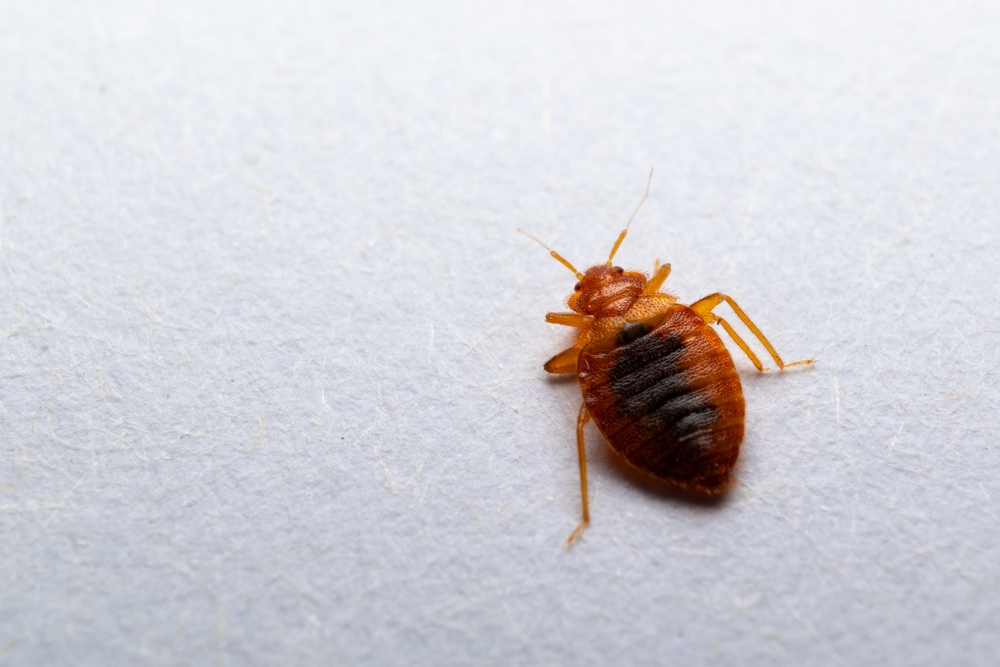
Small reddish-brown insects hiding along mattress seams.
Tiny black spots that resemble ink stains or pepper on mattresses or sheets.
Rust-colored blood spots on pillowcases or bedding.
Pale shed skins left behind as young bed bugs grow.
Clusters of itchy bites that appear after sleeping.
A sweet, musty odor in heavier infestations.
Live insects hiding behind the headboard or nearby furniture.
Finding multiple signs together makes a professional inspection worthwhile.
When to Call a Professional
A professional inspection is recommended whenever you discover live bed bugs, multiple warning signs, or recurring bites after sleeping in the rental.
While guests can perform a careful visual inspection, eliminating bed bugs requires specialized treatment methods that reach hidden insects and their eggs. Property managers should arrange professional service before welcoming new guests whenever bed bugs are suspected.
Common Causes of Bed Bugs in Vacation Rentals
Bed bugs most often enter Outer Banks vacation rentals through travel rather than from outdoor conditions.
Frequent Guest Turnover
Every new visitor brings luggage, clothing, and personal belongings that could unknowingly carry bed bugs from another location.
Multi-Stop Travel
Many visitors stay in several hotels or rentals before arriving on the Outer Banks, increasing opportunities for bed bugs to hitch a ride.
Shared Furniture
Used furniture or mattresses introduced into rental properties without careful inspection can occasionally introduce bed bugs.
Delayed Detection
Because bed bugs hide extremely well, small infestations may go unnoticed until guests begin noticing bites or visible evidence.
Prevention and Maintenance Tips
While no rental property can completely eliminate the possibility of bed bugs, several simple habits reduce the risk.
Inspect mattresses before unpacking.
Keep luggage on hard surfaces or luggage racks instead of beds.
Avoid storing suitcases on upholstered furniture.
Check headboards and mattress seams with your phone flashlight.
Wash and dry travel clothing on high heat after returning home if exposure is suspected.
Report concerns to the property manager immediately instead of waiting until checkout.
These simple steps can help visitors identify problems early while protecting future guests.
What to Expect from Professional Bed Bug Service
Professional bed bug treatment begins with a detailed inspection to determine whether bed bugs are present and how extensively they have spread.
Depending on the findings, treatment may include targeted applications, follow-up inspections, and recommendations for laundering, cleaning, and protecting personal belongings. Property owners should expect cooperation between pest control professionals and cleaning staff to achieve the best results.
Common Mistakes to Avoid
Mistake: Assuming mosquito bites are always to blame.
Consequence: Bed bugs may continue spreading while the real cause goes unnoticed.
Better approach: Look for physical evidence around the bed before assuming outdoor insects caused the bites.
Mistake: Unpacking immediately.
Consequence: Personal belongings may become exposed before the room has been inspected.
Better approach: Inspect sleeping areas before placing clothing or luggage throughout the rental.
Mistake: Ignoring early warning signs.
Consequence: Small infestations can become more difficult to eliminate.
Better approach: Notify the property manager as soon as suspicious evidence is found.
Common Local Scenario
A family arrives in Manteo after spending several nights at different accommodations during a road trip. Before unpacking, they inspect the beds and discover tiny black stains along one mattress seam. They notify the property manager immediately, allowing another rental unit to be arranged before their belongings become exposed.
Early reporting protects both the guests and the rental property.
Related Pest Control Services
Bed bug inspections often complement other pest management services commonly provided to vacation properties throughout Dare County.
These services may include:
Bed bug inspections
Bed bug treatment
Routine pest management
Vacation rental pest inspections
Preventive monitoring for seasonal rental properties
We proudly serve Manteo and surrounding Outer Banks communities, including Nags Head, Kill Devil Hills, Kitty Hawk, Duck, Corolla, and other areas throughout Dare County.
The Cost of Waiting
Waiting too long to report suspected bed bugs can allow the insects to spread into additional rooms, furnishings, or personal belongings. For vacation rentals, delayed action may also increase treatment complexity and disrupt future reservations.
How can I check for bed bugs when I arrive at a vacation rental in Manteo?
The best way is to inspect mattress seams, box springs, headboards, and upholstered furniture before unpacking. A quick flashlight inspection often reveals visible signs if bed bugs are present.
Are bed bugs common in the Outer Banks?
Bed bugs can appear anywhere people travel frequently. Because the Outer Banks welcomes many seasonal visitors, vacation rentals occasionally encounter bed bugs despite regular cleaning.
Do bed bug bites always mean there are bed bugs?
No. Bites alone cannot confirm bed bugs because mosquitoes, fleas, and other insects can produce similar reactions. Physical evidence is needed for confirmation.
Should I move to another room if I suspect bed bugs?
Moving rooms within the same property without guidance may spread bed bugs through your belongings. Notify the property manager immediately before relocating.
Can I accidentally bring bed bugs home from Dare County?
Yes. Bed bugs can hide inside luggage, clothing, backpacks, and other personal items if precautions are not taken after exposure.
What should vacation property owners do if guests report bed bugs?
Property owners should arrange a professional inspection promptly, temporarily limit guest access to affected areas, and follow recommended treatment procedures before welcoming new visitors.
Can bed bugs survive after guests leave?
Yes. Bed bugs can survive for extended periods without feeding, making professional treatment important even if the property becomes temporarily vacant.
Is professional treatment necessary for vacation rentals?
Yes. Professional treatment is typically the most effective way to eliminate both adult bed bugs and hidden eggs while reducing the chance of continued infestations.
Protect Your Outer Banks Vacation Property from Bed Bugs
Early detection makes bed bug problems easier to manage for both guests and property owners. Knowing what to look for can help you respond quickly and reduce the chances of a larger infestation.
Contact Us Today
If you suspect bed bugs in your Manteo vacation rental or anywhere across the Outer Banks, we’re here to help with professional inspections and effective treatment solutions.
Duck, North Carolina is one of the most beloved destinations on the Outer Banks. With its charming village atmosphere, stunning sunsets over Currituck Sound, and miles of unspoiled Atlantic coastline, Duck draws visitors and full-time residents who want nothing more than to soak up every moment outdoors. But there is one persistent problem that can turn a perfect evening on the deck into a frustrating retreat indoors: mosquitoes.
Investing in professional pest and mosquito control is one of the smartest decisions any Duck homeowner or vacation rental owner can make, and the benefits go far beyond simple comfort.
The Mosquito Problem in Duck, NC
Duck sits on a narrow barrier island surrounded by water on both sides. The proximity to Currituck Sound, the numerous tidal marshes, and the humid coastal climate create near-perfect breeding conditions for mosquitoes throughout the warmer months. Standing water collects quickly after summer rainstorms, and the dense maritime shrubs and grasses that give Duck its natural charm also provide shady resting spots where mosquitoes thrive.
From late spring through early fall, mosquito populations in the area can spike dramatically. Species common to coastal North Carolina are not only irritating but can also carry diseases, which makes pest and mosquito control a genuine health consideration, not just a comfort preference. Homeowners who ignore the problem often find themselves unable to use their screened porches, decks, or beautifully landscaped yards during the most desirable hours of the day.
How Professional Pest and Mosquito Control Works
Many residents try do-it-yourself approaches first, such as citronella candles, personal repellent sprays, or store-bought foggers. While these methods offer short-term relief, they rarely address the root causes of the problem. Professional pest and mosquito control services take a more comprehensive approach that targets mosquitoes at every stage of their life cycle.
A trained technician will begin with a thorough property inspection to identify breeding sites. Common culprits include low-lying areas where water pools, clogged gutters, ornamental planters, birdbaths, and even children’s toys that hold rainwater. After addressing these sources, professionals apply targeted treatments to vegetation, tree lines, and shaded areas where adult mosquitoes rest during daylight hours.
Many pest and mosquito control companies in the Duck area also offer barrier treatments that create a protective perimeter around your property. These treatments are designed to provide lasting protection, typically for three to four weeks at a time, and can be scheduled on a recurring basis throughout the season. Some providers also offer natural or organic treatment options for families who prefer an eco-conscious approach, which is particularly popular in a community as environmentally aware as Duck.
Reclaiming Your Outdoor Spaces
One of the most immediate and satisfying benefits of professional pest and mosquito control is the ability to fully enjoy the outdoor spaces you have invested in. Duck homeowners tend to place enormous value on their decks, patios, and waterfront views. These spaces are designed for entertaining, for watching pelicans glide over the sound, for family dinners at dusk, and for the kind of relaxed coastal living that makes the Outer Banks so appealing.
Without adequate mosquito protection, these spaces go unused during peak outdoor hours. Guests retreat inside. Cookouts are cut short. Evening walks through the village become uncomfortable. With consistent pest and mosquito control in place, those same spaces transform back into the retreats they were meant to be. Families with young children especially appreciate the peace of mind that comes with knowing their kids can play in the yard without constant swatting or the worry of insect-borne illness.
For vacation rental owners in Duck, the stakes are even higher. Guests who are plagued by mosquitoes during their stay are far less likely to leave glowing reviews or return for a future booking. A modest investment in seasonal pest and mosquito control can protect your property’s reputation and keep your rental calendar full.
Protecting Your Health and the Health of Your Family
Mosquitoes are more than a nuisance. In North Carolina, certain mosquito species are known to carry Eastern Equine Encephalitis, West Nile Virus, and La Crosse Encephalitis. While serious illness remains relatively rare, the risk is real and worth taking seriously, particularly for older adults, young children, and anyone with a compromised immune system.
Consistent pest and mosquito control significantly reduces the population of biting insects on your property, which in turn lowers exposure risk. When you combine professional treatment with sensible precautions like eliminating standing water and wearing repellent during peak mosquito hours, you create a much safer environment for everyone on your property.
It is also worth noting that fewer mosquitoes mean fewer pesticide applications from individual homeowners reaching for cans of spray. Professional pest and mosquito control is often more targeted and environmentally responsible than the piecemeal spraying that residents do on their own, which can matter greatly in a coastal ecosystem as sensitive as the one surrounding Duck.
Choosing the Right Pest and Mosquito Control Partner in Duck
Not all pest and mosquito control providers are created equal, and finding the right company for your Duck property requires a little research. Look for a provider with specific experience in coastal North Carolina environments. The combination of salt air, sandy soil, tidal influence, and dense native vegetation creates conditions that differ from inland properties, and your pest and mosquito control team should understand those nuances.
Ask potential providers about their treatment products, their approach to sensitive areas like vegetable gardens or pet-friendly spaces, and whether they offer any guarantees on their work. A reputable company will walk your property with you, explain what they find, and customize a treatment plan rather than applying a one-size-fits-all solution. Look for licensed and insured technicians who stay current on the latest integrated pest management practices.
Recurring seasonal programs tend to deliver the best results. A single treatment provides relief, but ongoing pest and mosquito control throughout the summer season keeps populations consistently low rather than allowing them to rebuild between visits. Many homeowners in Duck find that enrolling in a monthly program from May through October gives them the most consistent, reliable protection.
Conclusion
Duck, NC offers some of the most beautiful outdoor living on the East Coast, and nobody should have to spend their time there swatting mosquitoes instead of watching the sunset. Professional pest and mosquito control gives you back your yard, your deck, and your evenings. Whether you live in Duck year-round, own a vacation rental, or visit every summer, addressing the mosquito problem with the help of a qualified pest and mosquito control professional is one of the best investments you can make in your outdoor experience.
Need Pest Control Services in Outer Banks, NC?
We here at Outer Banks Pest Control are a leading pest management company offering a wide range of services to residential and commercial clients. With a team of highly experienced and licensed entomologists, we ensure effective solutions for all your pest-related concerns. We specialize in the extermination and prevention of termites, rodents, roaches, bed bugs, ants, mosquitos, spiders, honey bees, and wasps. Our comprehensive services include free estimates, allowing our customers to have a clear understanding of the scope of work required. Here at Outer Banks Pest Control, we are committed to the environment and strive to save bees while efficiently dealing with dry wood and subterranean termites. Contact ustoday to learn more about what we can do for you!
Running a vacation rental comes with a long list of responsibilities, and protecting your property from pests is near the top. Among the most dreaded infestations any short-term rental host can face, bed bugs stand out as particularly damaging to your reputation, your guests’ comfort, and your bottom line. These tiny parasites are expert hitchhikers, traveling from hotel to hotel, suitcase to suitcase, and guest to guest without anyone noticing until the damage is already done.
Knowing the warning signs early can save you thousands of dollars and prevent a cascade of negative reviews that follow a confirmed infestation.
1. Unexplained Bite Marks and Guest Complaints
One of the earliest and most telling indicators of a bed bug problem is when guests report waking up with small, red, itchy welts on their skin. These bites often appear in clusters or in a linear pattern, typically on exposed areas such as the arms, legs, neck, and shoulders. Unlike mosquito bites, which tend to appear randomly, bed bug bites follow a more deliberate pattern because the insects feed multiple times along a single path.
As a vacation rental owner, you should treat any guest complaint about mysterious bites with complete seriousness. Even a single complaint warrants a thorough inspection. Dismissing the concern can lead to worsening infestations, more negative feedback, and the potential for legal liability if future guests suffer repeated exposure. Connecting with professional pest control services at the first sign of guest discomfort is always the safest course of action.
2. Rust-Colored Stains and Dark Spots on Bedding
If bite complaints are the first alarm, then physical evidence on the bedding and mattress is the confirmation that demands immediate attention. Bed bugs leave behind rust-colored or reddish-brown stains on sheets, pillowcases, and mattress covers. These stains are the result of crushed bugs or the blood they leave behind after feeding.
In addition to bloodstains, look for small dark spots that appear almost like ink dots from a fine-tipped pen. These are bed bug excrement, and they tend to cluster near the areas where the insects hide and feed. You may find these marks along mattress seams, on the underside of box springs, on headboards, and even on the wall behind the bed. Establishing a routine inspection protocol between guest stays, one that includes stripping all bedding and examining every surface closely, gives you the best chance of catching these signs before they escalate. When evidence like this is found, enlisting qualified pest control services ensures the problem is handled correctly rather than temporarily masked.
3. Live Bugs, Shed Skins, and Visible Eggs
Seeing a live bed bug is, understandably, alarming. Adult bed bugs are oval-shaped, flat, and roughly the size of an apple seed, with a reddish-brown color that darkens after feeding. However, spotting a live one is actually less common than finding the other physical evidence they leave behind, because these insects are nocturnal and skilled at hiding in the smallest cracks.
More commonly, you will find shed exoskeletons (called molted skins) and tiny white eggs tucked into mattress seams, bed frames, baseboards, and furniture joints. A single female can lay hundreds of eggs over her lifetime, which is why catching an infestation early is so critical. If you find even a small collection of shed skins or eggs during a turnover cleaning, do not wait to see if the situation resolves itself. Contact pest control services right away. Waiting even a few weeks allows the population to multiply rapidly and spread to other areas of the property.
4. A Sweet, Musty Odor in the Room
Experienced pest control professionals and seasoned travelers will tell you that a heavy bed bug infestation often produces a distinctive smell. The odor is commonly described as sweet and musty, sometimes compared to overripe raspberries or a locker room. This scent comes from the pheromones that bed bugs emit, and it intensifies as the infestation grows.
As a vacation rental owner, you should pay close attention to how your rental smells when you enter after a guest checkout. A faint but unusual sweetness that was not present before could indicate that a population of bed bugs has taken hold beneath the surface, especially in areas you cannot easily see. This is one reason why relying solely on visual inspections has its limits. A musty or unexplainably sweet smell in a room that has been properly cleaned and aired out should prompt a call to pest control services without delay.
5. Evidence in Furniture Beyond the Bed
One of the most common misconceptions about bed bugs is that they only live in mattresses and beds. In reality, they are opportunistic insects that will colonize any dark, undisturbed space close to a sleeping or resting human. This means your couches, recliners, luggage racks, nightstands, picture frames, electrical outlets, and even baseboards can all harbor an infestation.
During your inspection routine, look beyond the bed. Examine the seams of upholstered furniture, pull out drawers and look underneath them, check the corners of nightstands, and run a flashlight along baseboards and wall cracks near sleeping areas. If your vacation rental has carpeting, pay attention to the carpet edges near the walls, as this is another common hiding spot. The wider your inspection scope, the better your chances of catching an infestation before it becomes a full-scale crisis. Professional pest control services have the tools and training to conduct comprehensive inspections that go far beyond what the naked eye can detect, which is why scheduling a professional evaluation at least once per season is a smart investment for any vacation rental owner.
Conclusion
Bed bugs are a serious threat to any vacation rental operation, but they do not have to become a disaster if you know what to look for. By staying alert to bite complaints, physical stains, shed skins, unusual odors, and evidence in furniture throughout your property, you put yourself in a strong position to catch problems early. Partnering with trusted pest control services gives you the professional support needed to protect your guests, your reputation, and the long-term success of your rental business.
Need Pest Control Services in Outer Banks, NC?
We here at Outer Banks Pest Control are a leading pest management company offering a wide range of services to residential and commercial clients. With a team of highly experienced and licensed entomologists, we ensure effective solutions for all your pest-related concerns. We specialize in the extermination and prevention of termites, rodents, roaches, bed bugs, ants, mosquitos, spiders, honey bees, and wasps. Our comprehensive services include free estimates, allowing our customers to have a clear understanding of the scope of work required. Here at Outer Banks Pest Control, we are committed to the environment and strive to save bees while efficiently dealing with dry wood and subterranean termites. Contact ustoday to learn more about what we can do for you!
Running a business in the Outer Banks comes with a unique set of rewards and challenges. The stunning coastal scenery, the steady flow of tourists, and the tight-knit community make this stretch of North Carolina one of the most appealing places to operate a small or mid-sized business. But the same environmental factors that make the Outer Banks so beautiful can also make it a haven for pests. From the salt marshes and wooded lots near Manteo, NC, to the beachfront properties along the barrier islands, business owners across this region face persistent pressure from insects, rodents, and other unwanted guests.
Understanding those threats and taking proactive steps is essential for any business that wants to protect its reputation, its property, and its bottom line.
Why the Outer Banks Is a Hotspot for Pest Activity
The geography of the Outer Banks creates ideal conditions for a wide range of pest species. The humid, subtropical climate means warm temperatures persist for much of the year, giving insects like cockroaches, ants, mosquitoes, and termites an extended season to breed and spread. Standing water is common in low-lying areas, which fuels mosquito populations and attracts rodents in search of moisture. The proximity to wetlands and maritime forests means that wildlife pressure, including raccoons, squirrels, and birds, can become a serious concern for commercial properties.
Coastal businesses also deal with the effects of salt air and moisture on their structures. Wood that becomes damp and softened is especially vulnerable to termite activity, and termites cause billions of dollars in structural damage across the United States every year. In a region where older buildings are common and waterfront exposure is constant, the risk is compounded. Business pest control is not a luxury in this environment; it is a practical necessity.
Tourism also plays a role. The Outer Banks attracts millions of visitors annually, and high foot traffic through restaurants, hotels, retail shops, and rental properties increases the chances of pests being introduced from outside. A single sighting of a cockroach or a rodent by a guest can result in negative reviews that circulate online for years, damaging a brand that took decades to build.
The Real Cost of Ignoring Pest Pressures
Many business owners underestimate the financial and reputational cost of a pest problem until it is already out of hand. In the food service industry, a failed health inspection triggered by pest activity can result in temporary closure, lost revenue, and mandatory remediation costs. Even outside the food industry, visible pests in a retail or hospitality setting send a clear message to customers that the space is not being properly maintained.
There are also legal and liability considerations. Businesses that serve food or provide lodging in North Carolina are subject to state health and safety regulations. A documented pest infestation that results in customer illness or property damage can expose a business to significant legal risk. Insurance may not cover damage caused by termites or rodents if a property owner failed to take reasonable steps to prevent or address the problem.
Beyond the financial exposure, there is the issue of employee morale. Workers who encounter pests regularly in their workspace are less productive and less satisfied with their jobs. High turnover in coastal tourism and hospitality businesses is already a concern, and a pest problem can make it harder to retain the staff that keep operations running smoothly.
Investing in commercial pest control before a problem emerges is far less expensive than responding to a crisis. Scheduled inspections, preventive treatments, and ongoing monitoring give business owners the data and peace of mind they need to focus on their customers rather than their pest pressures.
What Commercial Pest Control Looks Like for Outer Banks Businesses
Effective business pest control in the Outer Banks is not a one-size-fits-all solution. The specific pests that threaten a waterfront restaurant in Manteo, NC are different from those affecting an inland retail shop or a vacation rental property closer to Corolla. A qualified commercial pest control provider will begin with a thorough inspection of the property, identifying entry points, conducive conditions, and any signs of existing activity.
From there, a customized treatment plan is developed based on the type of business, the building’s construction, the surrounding environment, and the pest species present. For food-related businesses, treatment protocols must comply with health codes, which means using methods and products that are safe for areas where food is prepared and stored. For lodging properties, the approach must be effective without disrupting the guest experience or leaving behind odors and residues that would be noticeable to visitors.
Integrated Pest Management, or IPM, is the approach most reputable commercial pest control providers rely on. IPM prioritizes long-term prevention through a combination of environmental modifications, monitoring, and targeted treatments. Rather than simply applying pesticides on a schedule, an IPM-based program looks at the root causes of pest activity and addresses them systematically. Sealing entry points, improving drainage, eliminating harborage areas, and training staff to recognize early warning signs are all part of a comprehensive commercial program.
In the Outer Banks, pest control providers with local knowledge have a significant advantage. They understand the seasonal patterns of pest activity in the region, the specific species that are most problematic in coastal environments, and the logistical challenges that come with servicing properties on or near the barrier islands.
Choosing the Right Pest Control Partner Near Manteo, NC
Selecting a commercial pest control company is a decision that deserves careful consideration. Not every provider has the experience or resources to handle the unique demands of businesses operating in a coastal tourism economy. When evaluating potential partners, business owners should look for a few key qualities.
First, proper licensing and certification matter. In North Carolina, pest control companies and their technicians must be licensed by the North Carolina Department of Agriculture and Consumer Services. Confirming that a provider holds the appropriate licenses protects a business from liability and ensures that treatments are being applied by trained professionals.
Second, experience with commercial accounts is important. Residential pest control and commercial pest control require different strategies, different products, and different levels of documentation. A provider that primarily serves homeowners may not be equipped to handle the compliance requirements, service frequency, or scale that a commercial client needs.
Third, communication and responsiveness are critical. In a fast-paced tourism environment, business owners need a pest control partner that responds quickly to concerns, provides detailed service reports, and is available when problems arise outside of normal business hours. Look for a company that treats its commercial clients as partners rather than just accounts.
Finally, ask about guarantees and follow-up protocols. A reputable commercial pest control provider stands behind its work and has a clear process for addressing issues that arise between scheduled visits. This kind of accountability is what separates a transactional service from a true pest management partnership.
Conclusion
The Outer Banks is one of the most vibrant and competitive business environments in North Carolina. Protecting a business here means staying ahead of the pest pressures that come with the coastal climate, the high volume of visitors, and the unique construction challenges of barrier island properties. Commercial pest control is not an afterthought; it is a foundational part of responsible business ownership in this region. Whether you operate a restaurant, a hotel, a retail shop, or a rental property near Manteo, NC, partnering with an experienced business pest control provider gives you the protection, documentation, and peace of mind you need to keep your operation running at its best.
Need Pest Control Services in Outer Banks, NC?
We here at Outer Banks Pest Control are a leading pest management company offering a wide range of services to residential and commercial clients. With a team of highly experienced and licensed entomologists, we ensure effective solutions for all your pest-related concerns. We specialize in the extermination and prevention of termites, rodents, roaches, bed bugs, ants, mosquitos, spiders, honey bees, and wasps. Our comprehensive services include free estimates, allowing our customers to have a clear understanding of the scope of work required. Here at Outer Banks Pest Control, we are committed to the environment and strive to save bees while efficiently dealing with dry wood and subterranean termites. Contact ustoday to learn more about what we can do for you!
Nestled on Roanoke Island in the heart of the Outer Banks, Manteo offers a lifestyle that revolves around the water, the outdoors, and the natural beauty that makes coastal North Carolina so unforgettable. But there is one persistent problem that threatens to ruin every backyard gathering, sunset cruise, and evening walk along the waterfront: mosquitoes.
Effective mosquito control is not just a luxury for homeowners and visitors in this region; it is a genuine necessity for enjoying everything that Manteo has to offer.
The Mosquito Problem in Manteo and the Outer Banks
Mosquitoes thrive in warm, humid environments with standing water nearby, and Manteo checks every one of those boxes. The town sits surrounded by the Croatan Sound, Shallowbag Bay, and a network of marshes, creeks, and low-lying areas that create ideal breeding conditions for mosquito populations. From late spring through early fall, mosquito pressure in this part of North Carolina can be intense, with some species capable of biting aggressively during both day and night.
The Outer Banks region experiences a subtropical climate that keeps temperatures warm for much of the year. This extended warm season means mosquito activity begins earlier in spring and lingers longer into the fall compared to inland areas of the state. For residents of Manteo who spend a significant portion of their lives outdoors, this creates a real quality-of-life issue that goes far beyond minor annoyance.
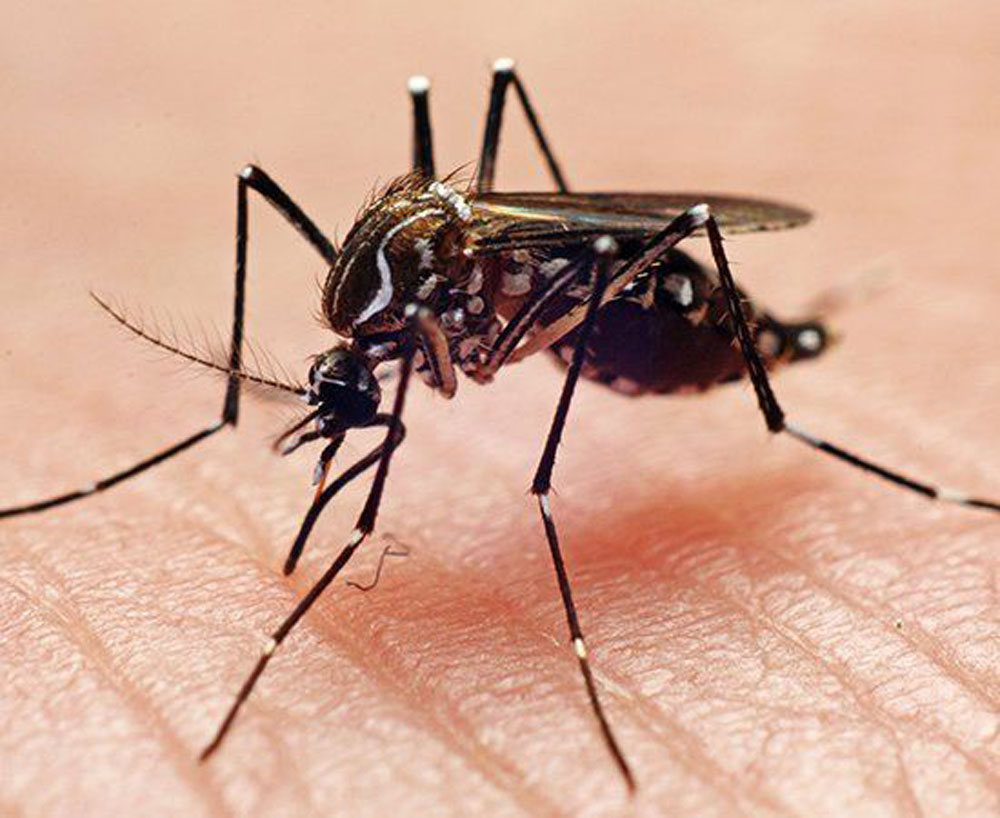
Several mosquito species are common to this region, including the aggressive Asian tiger mosquito, which is known for its daytime biting behavior. Unlike the more familiar species that emerge at dusk, the Asian tiger mosquito will bite throughout the day, making outdoor time uncomfortable regardless of the hour. Professional mosquito treatment programs specifically designed for coastal environments can target the breeding and resting sites these species prefer, reducing populations significantly.
Health Risks That Make Mosquito Control a Priority
The conversation around mosquito control in Manteo goes well beyond comfort. Mosquitoes are vectors for serious diseases, and the warm, wet conditions of the Outer Banks create circumstances where these risks are very real. Eastern Equine Encephalitis (EEE), West Nile virus, and La Crosse encephalitis are all diseases transmitted by mosquito species found in North Carolina. While outbreaks may not make headlines every year, the potential for exposure exists throughout the mosquito season.
For families with young children, elderly residents, or individuals with compromised immune systems, these health risks deserve serious consideration. Even a single mosquito bite from an infected insect can result in illness that ranges from mild fever and discomfort to severe neurological complications. Taking proactive steps with a professional mosquito treatment plan is one of the most responsible things a household can do during peak mosquito season.
Beyond these more severe diseases, mosquito bites also trigger allergic reactions in some people. Swelling, intense itching, and secondary skin infections from scratching are common complaints, particularly in children. Keeping mosquito populations low around your home or rental property in Manteo means fewer of these uncomfortable, and sometimes costly, medical situations for your family and guests.
How Professional Mosquito Treatment Works in Coastal Areas
Not all mosquito control methods are created equal, and in a place like Manteo, the local environment requires a thoughtful approach. Over-the-counter sprays and citronella candles offer minimal relief for short periods, but they do nothing to address the underlying population of mosquitoes that continues to breed in the surrounding landscape. Professional mosquito treatment programs are designed to interrupt the mosquito life cycle at multiple stages, delivering results that last far longer than any DIY solution.
A professional mosquito control service in the Outer Banks region will typically begin with a thorough property inspection to identify breeding sites. Standing water in bird baths, gutters, low-lying garden areas, and even small containers can all serve as mosquito nurseries. Treating or eliminating these sites is a critical first step that dramatically reduces how many mosquitoes hatch and mature on your property.
Following the inspection, targeted applications of barrier treatments are applied to the areas where mosquitoes rest during the day, typically dense vegetation, shaded areas, and shrubs along the perimeter of your yard. These treatments create a protective zone around your outdoor living spaces that repels and eliminates adult mosquitoes on contact and continues to work for several weeks after each application. For homeowners in Manteo who want consistent protection through the entire mosquito season, scheduled treatments on a recurring basis ensure that coverage never lapses.
Some mosquito control programs also incorporate larvicides applied to water features or drainage areas that cannot be eliminated. These treatments specifically target mosquito larvae before they ever reach the adult biting stage, providing an additional layer of protection that complements the barrier spray program.
Protecting Your Outdoor Lifestyle in Manteo
One of the most compelling reasons to invest in professional mosquito control in Manteo is the simple fact that outdoor living is the entire point of being here. Whether you own a home on the waterfront, rent a cottage near downtown, or operate a business that caters to tourists visiting the Outer Banks, the ability to enjoy the outdoors comfortably is central to the experience.
Think about the evenings spent on the back deck watching the sun go down over the sound, the morning coffee on the porch while the birds start their day, or the weekend cookout with neighbors that stretches into the night. All of these moments are compromised when mosquitoes are present in large numbers. Regular mosquito treatment allows residents and visitors to reclaim these experiences without the constant swatting, itching, and frustration that untreated mosquito populations bring.
For property owners and vacation rental hosts in Manteo, mosquito control is also a smart business decision. Guests who are constantly bothered by mosquitoes will leave negative reviews, and word travels fast in the tight-knit vacation rental community of the Outer Banks. A professionally maintained mosquito treatment program signals to guests that their comfort and well-being matter, which leads to better reviews, repeat bookings, and stronger recommendations.
Community spaces and events also benefit from organized mosquito control efforts. Outdoor festivals, waterfront markets, and public gatherings in Manteo can all be impacted by high mosquito pressure. When local businesses and residents invest in mosquito control, the cumulative effect reduces the overall mosquito population in an area, creating a more enjoyable environment for everyone.
Choosing the Right Mosquito Control Service for the Outer Banks
Finding the right mosquito control provider in the Manteo area requires looking for a company that understands the specific challenges of coastal North Carolina. The proximity to sensitive wetlands, the presence of wildlife, and the unique ecology of the Outer Banks mean that responsible mosquito treatment must balance effectiveness with environmental awareness.
Look for a provider that uses EPA-registered products applied by licensed technicians who understand how to protect non-target species, including pollinators and aquatic life. Ask about their inspection process, how frequently they recommend treatments, and whether they offer any guarantees on their results. A reputable mosquito control company will be transparent about their methods and willing to answer all of your questions before the first treatment is scheduled.
Also consider whether the company offers flexible scheduling that fits the seasonal nature of life in Manteo. Many residents and rental property owners need coverage from late spring through early fall, and a service that can accommodate that window without locking you into unnecessary commitments is a practical choice.
Conclusion
Mosquito control in Manteo, NC is not optional if you want to fully enjoy outdoor living on the Outer Banks. The combination of health risks, relentless biting insects, and the high value placed on outdoor experiences in this community makes professional mosquito treatment one of the most worthwhile investments a homeowner or property manager can make. Take the step to protect your property, your family, and your guests, and get back to enjoying everything that makes Manteo one of the most beautiful places in North Carolina.
Need Pest Control Services in Outer Banks, NC?
We here at Outer Banks Pest Control are a leading pest management company offering a wide range of services to residential and commercial clients. With a team of highly experienced and licensed entomologists, we ensure effective solutions for all your pest-related concerns. We specialize in the extermination and prevention of termites, rodents, roaches, bed bugs, ants, mosquitos, spiders, honey bees, and wasps. Our comprehensive services include free estimates, allowing our customers to have a clear understanding of the scope of work required. Here at Outer Banks Pest Control, we are committed to the environment and strive to save bees while efficiently dealing with dry wood and subterranean termites. Contact ustoday to learn more about what we can do for you!