Running a business in the Outer Banks comes with a unique set of rewards and challenges. The stunning coastal scenery, the steady flow of tourists, and the tight-knit community make this stretch of North Carolina one of the most appealing places to operate a small or mid-sized business. But the same environmental factors that make the Outer Banks so beautiful can also make it a haven for pests. From the salt marshes and wooded lots near Manteo, NC, to the beachfront properties along the barrier islands, business owners across this region face persistent pressure from insects, rodents, and other unwanted guests.
Understanding those threats and taking proactive steps is essential for any business that wants to protect its reputation, its property, and its bottom line.
Why the Outer Banks Is a Hotspot for Pest Activity
The geography of the Outer Banks creates ideal conditions for a wide range of pest species. The humid, subtropical climate means warm temperatures persist for much of the year, giving insects like cockroaches, ants, mosquitoes, and termites an extended season to breed and spread. Standing water is common in low-lying areas, which fuels mosquito populations and attracts rodents in search of moisture. The proximity to wetlands and maritime forests means that wildlife pressure, including raccoons, squirrels, and birds, can become a serious concern for commercial properties.
Coastal businesses also deal with the effects of salt air and moisture on their structures. Wood that becomes damp and softened is especially vulnerable to termite activity, and termites cause billions of dollars in structural damage across the United States every year. In a region where older buildings are common and waterfront exposure is constant, the risk is compounded. Business pest control is not a luxury in this environment; it is a practical necessity.
Tourism also plays a role. The Outer Banks attracts millions of visitors annually, and high foot traffic through restaurants, hotels, retail shops, and rental properties increases the chances of pests being introduced from outside. A single sighting of a cockroach or a rodent by a guest can result in negative reviews that circulate online for years, damaging a brand that took decades to build.
The Real Cost of Ignoring Pest Pressures
Many business owners underestimate the financial and reputational cost of a pest problem until it is already out of hand. In the food service industry, a failed health inspection triggered by pest activity can result in temporary closure, lost revenue, and mandatory remediation costs. Even outside the food industry, visible pests in a retail or hospitality setting send a clear message to customers that the space is not being properly maintained.
There are also legal and liability considerations. Businesses that serve food or provide lodging in North Carolina are subject to state health and safety regulations. A documented pest infestation that results in customer illness or property damage can expose a business to significant legal risk. Insurance may not cover damage caused by termites or rodents if a property owner failed to take reasonable steps to prevent or address the problem.
Beyond the financial exposure, there is the issue of employee morale. Workers who encounter pests regularly in their workspace are less productive and less satisfied with their jobs. High turnover in coastal tourism and hospitality businesses is already a concern, and a pest problem can make it harder to retain the staff that keep operations running smoothly.
Investing in commercial pest control before a problem emerges is far less expensive than responding to a crisis. Scheduled inspections, preventive treatments, and ongoing monitoring give business owners the data and peace of mind they need to focus on their customers rather than their pest pressures.
What Commercial Pest Control Looks Like for Outer Banks Businesses
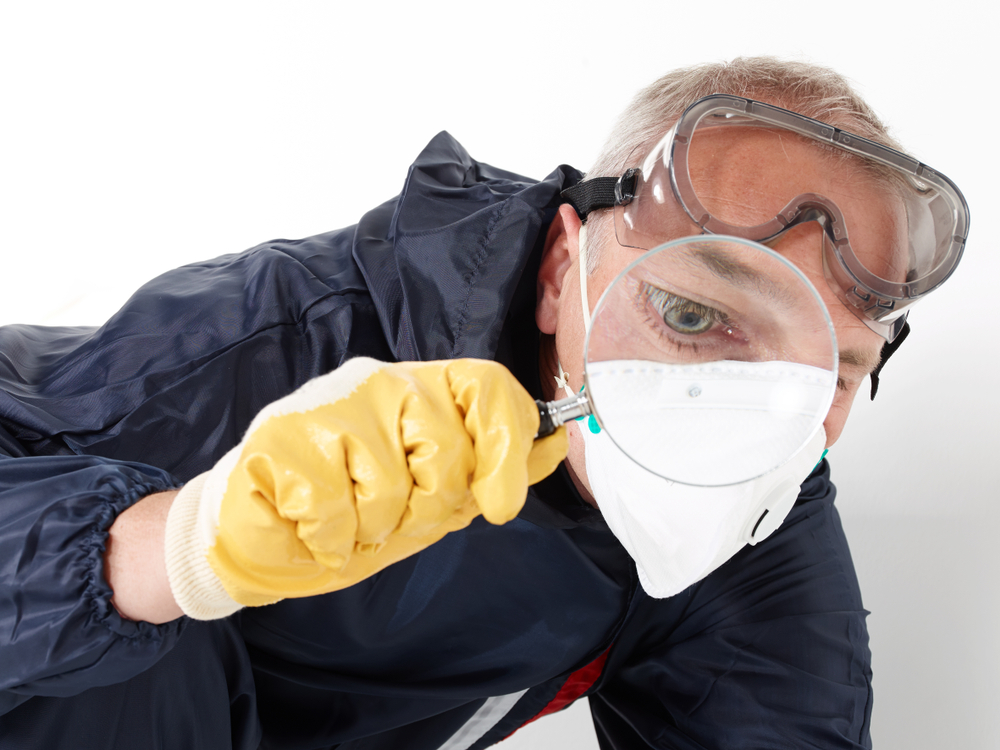
Effective business pest control in the Outer Banks is not a one-size-fits-all solution. The specific pests that threaten a waterfront restaurant in Manteo, NC are different from those affecting an inland retail shop or a vacation rental property closer to Corolla. A qualified commercial pest control provider will begin with a thorough inspection of the property, identifying entry points, conducive conditions, and any signs of existing activity.
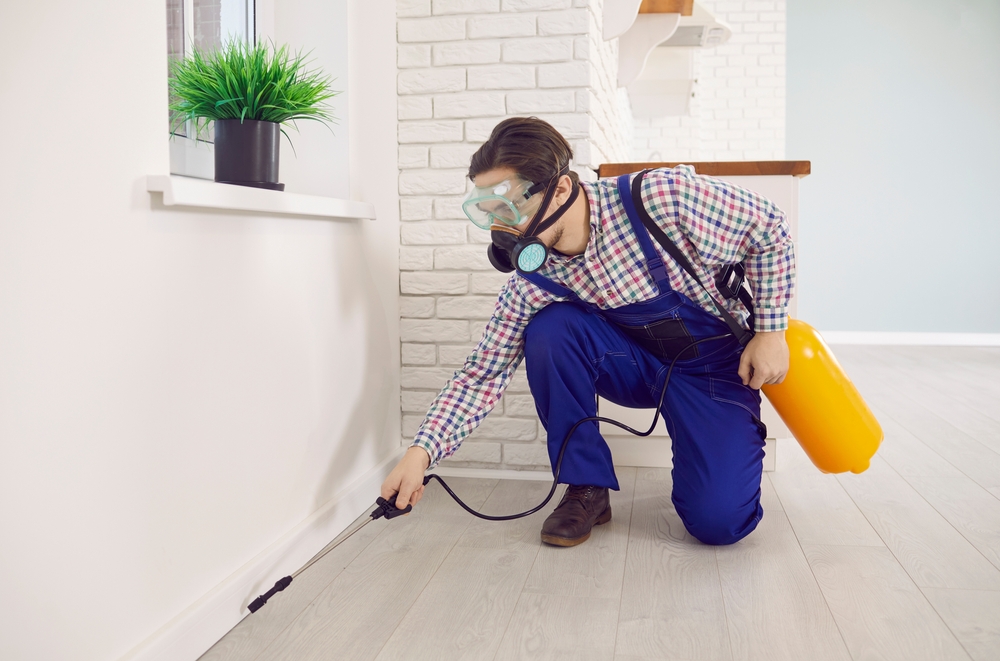
From there, a customized treatment plan is developed based on the type of business, the building’s construction, the surrounding environment, and the pest species present. For food-related businesses, treatment protocols must comply with health codes, which means using methods and products that are safe for areas where food is prepared and stored. For lodging properties, the approach must be effective without disrupting the guest experience or leaving behind odors and residues that would be noticeable to visitors.
Integrated Pest Management, or IPM, is the approach most reputable commercial pest control providers rely on. IPM prioritizes long-term prevention through a combination of environmental modifications, monitoring, and targeted treatments. Rather than simply applying pesticides on a schedule, an IPM-based program looks at the root causes of pest activity and addresses them systematically. Sealing entry points, improving drainage, eliminating harborage areas, and training staff to recognize early warning signs are all part of a comprehensive commercial program.
In the Outer Banks, pest control providers with local knowledge have a significant advantage. They understand the seasonal patterns of pest activity in the region, the specific species that are most problematic in coastal environments, and the logistical challenges that come with servicing properties on or near the barrier islands.
Choosing the Right Pest Control Partner Near Manteo, NC
Selecting a commercial pest control company is a decision that deserves careful consideration. Not every provider has the experience or resources to handle the unique demands of businesses operating in a coastal tourism economy. When evaluating potential partners, business owners should look for a few key qualities.
First, proper licensing and certification matter. In North Carolina, pest control companies and their technicians must be licensed by the North Carolina Department of Agriculture and Consumer Services. Confirming that a provider holds the appropriate licenses protects a business from liability and ensures that treatments are being applied by trained professionals.
Second, experience with commercial accounts is important. Residential pest control and commercial pest control require different strategies, different products, and different levels of documentation. A provider that primarily serves homeowners may not be equipped to handle the compliance requirements, service frequency, or scale that a commercial client needs.
Third, communication and responsiveness are critical. In a fast-paced tourism environment, business owners need a pest control partner that responds quickly to concerns, provides detailed service reports, and is available when problems arise outside of normal business hours. Look for a company that treats its commercial clients as partners rather than just accounts.
Finally, ask about guarantees and follow-up protocols. A reputable commercial pest control provider stands behind its work and has a clear process for addressing issues that arise between scheduled visits. This kind of accountability is what separates a transactional service from a true pest management partnership.
Conclusion
The Outer Banks is one of the most vibrant and competitive business environments in North Carolina. Protecting a business here means staying ahead of the pest pressures that come with the coastal climate, the high volume of visitors, and the unique construction challenges of barrier island properties. Commercial pest control is not an afterthought; it is a foundational part of responsible business ownership in this region. Whether you operate a restaurant, a hotel, a retail shop, or a rental property near Manteo, NC, partnering with an experienced business pest control provider gives you the protection, documentation, and peace of mind you need to keep your operation running at its best.
Need Pest Control Services in Outer Banks, NC?
We here at Outer Banks Pest Control are a leading pest management company offering a wide range of services to residential and commercial clients. With a team of highly experienced and licensed entomologists, we ensure effective solutions for all your pest-related concerns. We specialize in the extermination and prevention of termites, rodents, roaches, bed bugs, ants, mosquitos, spiders, honey bees, and wasps. Our comprehensive services include free estimates, allowing our customers to have a clear understanding of the scope of work required. Here at Outer Banks Pest Control, we are committed to the environment and strive to save bees while efficiently dealing with dry wood and subterranean termites. Contact ustoday to learn more about what we can do for you!
Nestled on Roanoke Island in the heart of the Outer Banks, Manteo offers a lifestyle that revolves around the water, the outdoors, and the natural beauty that makes coastal North Carolina so unforgettable. But there is one persistent problem that threatens to ruin every backyard gathering, sunset cruise, and evening walk along the waterfront: mosquitoes.
Effective mosquito control is not just a luxury for homeowners and visitors in this region; it is a genuine necessity for enjoying everything that Manteo has to offer.
The Mosquito Problem in Manteo and the Outer Banks
Mosquitoes thrive in warm, humid environments with standing water nearby, and Manteo checks every one of those boxes. The town sits surrounded by the Croatan Sound, Shallowbag Bay, and a network of marshes, creeks, and low-lying areas that create ideal breeding conditions for mosquito populations. From late spring through early fall, mosquito pressure in this part of North Carolina can be intense, with some species capable of biting aggressively during both day and night.
The Outer Banks region experiences a subtropical climate that keeps temperatures warm for much of the year. This extended warm season means mosquito activity begins earlier in spring and lingers longer into the fall compared to inland areas of the state. For residents of Manteo who spend a significant portion of their lives outdoors, this creates a real quality-of-life issue that goes far beyond minor annoyance.
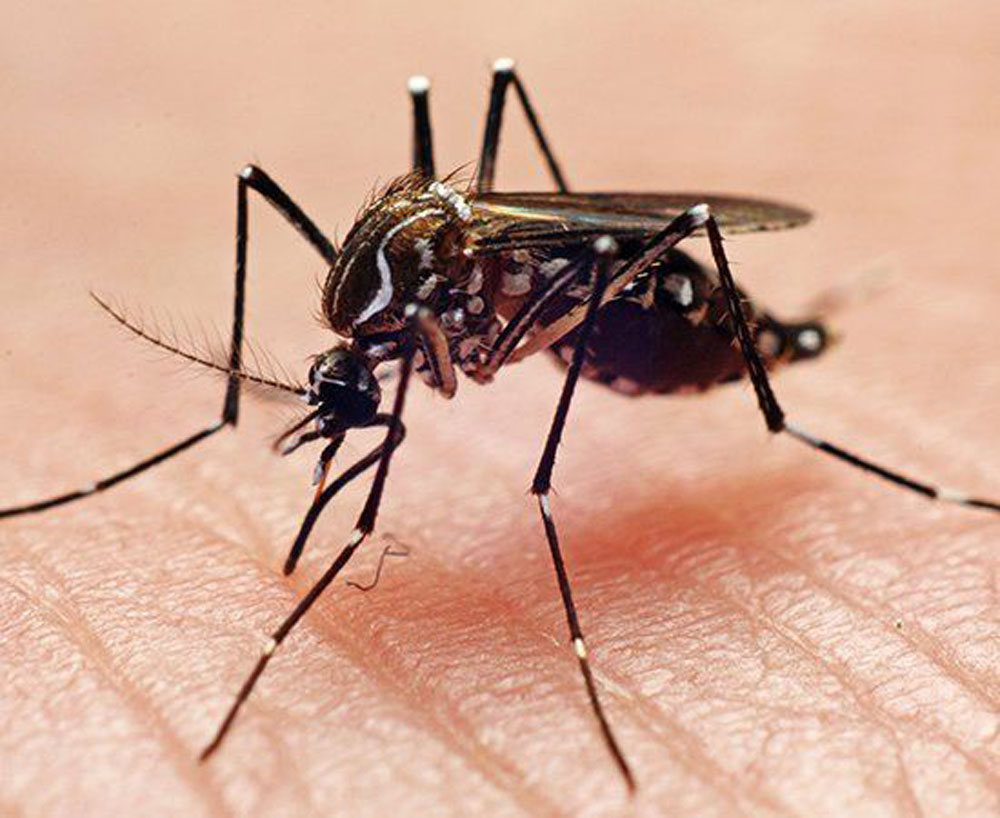
Several mosquito species are common to this region, including the aggressive Asian tiger mosquito, which is known for its daytime biting behavior. Unlike the more familiar species that emerge at dusk, the Asian tiger mosquito will bite throughout the day, making outdoor time uncomfortable regardless of the hour. Professional mosquito treatment programs specifically designed for coastal environments can target the breeding and resting sites these species prefer, reducing populations significantly.
Health Risks That Make Mosquito Control a Priority
The conversation around mosquito control in Manteo goes well beyond comfort. Mosquitoes are vectors for serious diseases, and the warm, wet conditions of the Outer Banks create circumstances where these risks are very real. Eastern Equine Encephalitis (EEE), West Nile virus, and La Crosse encephalitis are all diseases transmitted by mosquito species found in North Carolina. While outbreaks may not make headlines every year, the potential for exposure exists throughout the mosquito season.
For families with young children, elderly residents, or individuals with compromised immune systems, these health risks deserve serious consideration. Even a single mosquito bite from an infected insect can result in illness that ranges from mild fever and discomfort to severe neurological complications. Taking proactive steps with a professional mosquito treatment plan is one of the most responsible things a household can do during peak mosquito season.
Beyond these more severe diseases, mosquito bites also trigger allergic reactions in some people. Swelling, intense itching, and secondary skin infections from scratching are common complaints, particularly in children. Keeping mosquito populations low around your home or rental property in Manteo means fewer of these uncomfortable, and sometimes costly, medical situations for your family and guests.
How Professional Mosquito Treatment Works in Coastal Areas
Not all mosquito control methods are created equal, and in a place like Manteo, the local environment requires a thoughtful approach. Over-the-counter sprays and citronella candles offer minimal relief for short periods, but they do nothing to address the underlying population of mosquitoes that continues to breed in the surrounding landscape. Professional mosquito treatment programs are designed to interrupt the mosquito life cycle at multiple stages, delivering results that last far longer than any DIY solution.
A professional mosquito control service in the Outer Banks region will typically begin with a thorough property inspection to identify breeding sites. Standing water in bird baths, gutters, low-lying garden areas, and even small containers can all serve as mosquito nurseries. Treating or eliminating these sites is a critical first step that dramatically reduces how many mosquitoes hatch and mature on your property.
Following the inspection, targeted applications of barrier treatments are applied to the areas where mosquitoes rest during the day, typically dense vegetation, shaded areas, and shrubs along the perimeter of your yard. These treatments create a protective zone around your outdoor living spaces that repels and eliminates adult mosquitoes on contact and continues to work for several weeks after each application. For homeowners in Manteo who want consistent protection through the entire mosquito season, scheduled treatments on a recurring basis ensure that coverage never lapses.
Some mosquito control programs also incorporate larvicides applied to water features or drainage areas that cannot be eliminated. These treatments specifically target mosquito larvae before they ever reach the adult biting stage, providing an additional layer of protection that complements the barrier spray program.
Protecting Your Outdoor Lifestyle in Manteo
One of the most compelling reasons to invest in professional mosquito control in Manteo is the simple fact that outdoor living is the entire point of being here. Whether you own a home on the waterfront, rent a cottage near downtown, or operate a business that caters to tourists visiting the Outer Banks, the ability to enjoy the outdoors comfortably is central to the experience.
Think about the evenings spent on the back deck watching the sun go down over the sound, the morning coffee on the porch while the birds start their day, or the weekend cookout with neighbors that stretches into the night. All of these moments are compromised when mosquitoes are present in large numbers. Regular mosquito treatment allows residents and visitors to reclaim these experiences without the constant swatting, itching, and frustration that untreated mosquito populations bring.
For property owners and vacation rental hosts in Manteo, mosquito control is also a smart business decision. Guests who are constantly bothered by mosquitoes will leave negative reviews, and word travels fast in the tight-knit vacation rental community of the Outer Banks. A professionally maintained mosquito treatment program signals to guests that their comfort and well-being matter, which leads to better reviews, repeat bookings, and stronger recommendations.
Community spaces and events also benefit from organized mosquito control efforts. Outdoor festivals, waterfront markets, and public gatherings in Manteo can all be impacted by high mosquito pressure. When local businesses and residents invest in mosquito control, the cumulative effect reduces the overall mosquito population in an area, creating a more enjoyable environment for everyone.
Choosing the Right Mosquito Control Service for the Outer Banks
Finding the right mosquito control provider in the Manteo area requires looking for a company that understands the specific challenges of coastal North Carolina. The proximity to sensitive wetlands, the presence of wildlife, and the unique ecology of the Outer Banks mean that responsible mosquito treatment must balance effectiveness with environmental awareness.
Look for a provider that uses EPA-registered products applied by licensed technicians who understand how to protect non-target species, including pollinators and aquatic life. Ask about their inspection process, how frequently they recommend treatments, and whether they offer any guarantees on their results. A reputable mosquito control company will be transparent about their methods and willing to answer all of your questions before the first treatment is scheduled.
Also consider whether the company offers flexible scheduling that fits the seasonal nature of life in Manteo. Many residents and rental property owners need coverage from late spring through early fall, and a service that can accommodate that window without locking you into unnecessary commitments is a practical choice.
Conclusion
Mosquito control in Manteo, NC is not optional if you want to fully enjoy outdoor living on the Outer Banks. The combination of health risks, relentless biting insects, and the high value placed on outdoor experiences in this community makes professional mosquito treatment one of the most worthwhile investments a homeowner or property manager can make. Take the step to protect your property, your family, and your guests, and get back to enjoying everything that makes Manteo one of the most beautiful places in North Carolina.
Need Pest Control Services in Outer Banks, NC?
We here at Outer Banks Pest Control are a leading pest management company offering a wide range of services to residential and commercial clients. With a team of highly experienced and licensed entomologists, we ensure effective solutions for all your pest-related concerns. We specialize in the extermination and prevention of termites, rodents, roaches, bed bugs, ants, mosquitos, spiders, honey bees, and wasps. Our comprehensive services include free estimates, allowing our customers to have a clear understanding of the scope of work required. Here at Outer Banks Pest Control, we are committed to the environment and strive to save bees while efficiently dealing with dry wood and subterranean termites. Contact ustoday to learn more about what we can do for you!
The Outer Banks of North Carolina is one of the most breathtaking stretches of coastline in the United States. With its barrier islands, maritime forests, and salt marshes, this region draws millions of visitors each year and is home to a tight-knit community of year-round residents. But alongside the beauty of this coastal paradise comes a unique set of challenges, and one of the most persistent is pest control.
Choosing the right pest control company in this area is not as simple as picking the first name that pops up in a search engine. Local experience is everything, and here is why.
The Unique Pest Landscape of the Outer Banks
The Outer Banks does not share the same pest profile as inland North Carolina, or really any other region in the country. The combination of high humidity, sandy soil, salt air, and proximity to water creates an environment where certain pests thrive in ways that would surprise someone unfamiliar with the area.
Mosquitoes are a given in any coastal region, but the species found in the Outer Banks are influenced by tidal patterns and brackish water sources. Termites, particularly the Eastern subterranean termite and the increasingly problematic Formosan termite, pose a serious threat to the wooden structures that define so much of the region’s architecture. Rodents seek shelter in beach homes during off-seasons when properties sit vacant for months at a time. Ghost ants, American cockroaches, and sand fleas are common nuisances that require specific treatment approaches.
A pest control company based in Raleigh or Charlotte may technically be licensed to operate in North Carolina, but without hands-on experience in the Outer Banks, they are working from a generic playbook. A local company has spent years learning which pests peak during which seasons, how salt air affects the longevity of treatments, and how the physical layout of barrier island properties requires different inspection and treatment strategies.
Local Knowledge Translates to More Effective Treatments
When it comes to pest control, effectiveness is not just about the products used. It is about knowing where to look, when to treat, and how to account for environmental variables that change from neighborhood to neighborhood and season to season.
A pest control technician who has worked in Corolla, Duck, Kitty Hawk, Nags Head, and Hatteras Island for years builds an intuitive understanding of these communities. They know that homes built on stilts require inspection protocols that differ from slab-on-grade construction. They understand how ocean breezes carry moisture into crawl spaces and wall voids, accelerating the conditions that attract termites and mold-associated pests. They recognize that vacation rental properties cycle through dozens of guests per season, increasing the risk of bed bug introductions.
This kind of localized expertise means that treatments are targeted rather than generic. Rather than applying a one-size-fits-all approach, an experienced local pest control professional tailors every service visit to the specific conditions of your property and the pests most likely to be present given the time of year and recent weather patterns. This not only improves results but also reduces unnecessary pesticide use, which is better for your family, your pets, and the sensitive coastal ecosystem surrounding your home.
Building Trust Through Community Roots
There is something to be said for doing business with a company that has genuine roots in your community. A local pest control company in the Outer Banks is not just passing through. Their technicians live in the same towns, send their kids to the same schools, shop at the same grocery stores, and understand the rhythms of life on these islands in a way that a national franchise simply cannot replicate.
This community connection creates accountability. A local company’s reputation is built one neighbor at a time. Word travels fast in small coastal communities, and a pest control company that cuts corners or delivers poor results will not survive long. On the flip side, a company that consistently shows up on time, communicates clearly, and resolves pest problems effectively earns the kind of loyalty and referrals that sustain a business for decades.
When you hire a locally rooted pest control company, you are also investing in the local economy. Your money stays in the community, supports local jobs, and contributes to the fabric of the Outer Banks rather than flowing to a corporate headquarters somewhere far removed from the coast.
Trust also plays a role when it comes to service consistency. A locally owned pest control company is more likely to send the same technician to your property on every visit. That continuity matters. A technician who has been treating your home for several seasons notices changes, catches new infestations early, and develops a relationship with you as a homeowner that makes the entire process more efficient and less stressful.
The Outer Banks is a place of dramatic seasonal shifts. Summer brings a flood of tourists, soaring temperatures, and surging pest activity. Fall and winter see the population thin out, vacation homes go dark, and pests seeking warmth begin pushing into structures. Spring brings moisture, new pest generations, and the beginning of termite swarm season.
Managing pest control across these seasonal cycles requires a company that plans ahead and understands the local calendar. A local pest control provider knows that mosquito treatments need to begin before peak season, not after complaints start rolling in. They know that vacant vacation properties are particularly vulnerable to rodent infiltration during the colder months and that proactive exclusion work in the fall prevents bigger problems come spring.
They also understand the complications that come with servicing rental properties. Coordinating treatments around guest check-ins and check-outs, communicating with property managers, and ensuring that treatments do not interfere with rental income all require the kind of local operational knowledge that only comes from experience in this specific market. A company based outside the Outer Banks is unlikely to understand or accommodate these logistical realities in the same way.
Protecting the Coastal Ecosystem While Keeping Your Home Pest-Free
One of the most compelling reasons to choose a locally experienced pest control company in the Outer Banks is their understanding of the environmental stakes. The Outer Banks is home to sensitive ecosystems including the Alligator River National Wildlife Refuge, the Cape Hatteras National Seashore, and numerous protected wetlands. The waterways and shorelines are breeding grounds for wildlife and are treasured by residents and visitors alike.
Pesticide runoff, improper chemical applications, and the use of products that are not appropriate for coastal environments can have real consequences for these ecosystems. A responsible local pest control company is aware of these risks and takes them seriously. They are familiar with the regulatory environment, including any restrictions that apply near protected areas, and they choose treatment methods that balance effectiveness with environmental stewardship.
This is not something you can assume from a company without local roots. An outside provider may use products or application methods that are perfectly acceptable in an inland setting but carry greater risk near salt marshes, tidal creeks, or wildlife corridors. Local knowledge is not just an advantage here; it is a safeguard.
Conclusion
Choosing a pest control company in the Outer Banks is a decision that deserves careful thought. The region’s unique environment, seasonal rhythms, and ecological sensitivity make local experience far more than a nice bonus. It is a fundamental factor in whether pest control efforts will be safe, effective, and respectful of the community and coastline you call home. When you invest in a locally experienced pest control provider, you get more than a service. You get a partner who understands exactly where you live and what it takes to protect your property year after year.
Need Pest Control Services in Outer Banks, NC?
We here at Outer Banks Pest Control are a leading pest management company offering a wide range of services to residential and commercial clients. With a team of highly experienced and licensed entomologists, we ensure effective solutions for all your pest-related concerns. We specialize in the extermination and prevention of termites, rodents, roaches, bed bugs, ants, mosquitos, spiders, honey bees, and wasps. Our comprehensive services include free estimates, allowing our customers to have a clear understanding of the scope of work required. Here at Outer Banks Pest Control, we are committed to the environment and strive to save bees while efficiently dealing with dry wood and subterranean termites. Contact ustoday to learn more about what we can do for you!
Pest problems rarely announce themselves with fanfare. Instead, they creep into your home quietly, multiplying in hidden corners and dark spaces until the situation becomes dire. As a homeowner, recognizing the early warning signs of a pest infestation can save you thousands of dollars in property damage and health risks. This comprehensive guide will help you identify when you might need professional pest control services before your situation escalates.
The Silent Invasion
Pests are unwelcome guests that prefer to remain undetected. Whether it’s rodents, insects, or other creatures, they typically establish themselves in areas where humans rarely venture. The problem with waiting too long to address an infestation is that pests reproduce at alarming rates. A single pair of cockroaches can produce thousands of descendants within months. Mice can have multiple litters per year, and termites work silently for years before visible damage appears. This is why early detection through pest control services becomes essential for protecting your property.
Sign One: Mysterious Droppings in Hidden Areas
One of the most telling signs of a pest problem is the presence of droppings. Small, dark pellets appearing in kitchen cabinets, under sinks, in attics, or along baseboards indicate rodent activity. These droppings can vary in size and shape depending on the pest species. Larger droppings typically suggest rats, while smaller ones point to mice. Cockroach droppings resemble coffee grounds and appear in clusters near food sources and water pipes.
Finding droppings in multiple locations throughout your home suggests an established population rather than a single intruder. The fresher the droppings appear, the more active the infestation. This is precisely when you should contact professional pest control services. Fresh droppings indicate ongoing activity that will only worsen without intervention.
Sign Two: Unusual Sounds and Noises
Listen carefully to your home, especially during quiet nighttime hours. Scratching, scurrying, or squeaking sounds coming from walls, attics, or crawl spaces suggest rodent presence. Termites make softer clicking or rustling noises as they tunnel through wood. These sounds typically occur when pests are most active, usually during evening and night hours when human activity decreases.
Wall cavities and insulation spaces provide perfect highways for rodents to travel undetected throughout your home. When you hear these noises, it means pests have already established pathways and are comfortable enough to move about openly. The frequency and intensity of these sounds often correlate with infestation severity. Regular scratching and movement indicate a significant pest population that requires professional pest control services.
Sign Three: Visible Damage to Food Packaging and Structures
Inspect your pantry carefully for gnawed packaging or small holes in food containers. Rodents chew through paper, plastic, and even thin cardboard to access stored foods. Similarly, examine wooden structures, baseboards, and door frames for small holes or gnaw marks. Termites leave behind hollow-sounding wood, and carpenter ants create smooth, clean tunnels through wooden beams.
Kitchen cabinets, food storage areas, and structural supports should receive regular inspection. Even small holes can represent significant activity underneath the surface. Damage to food packaging poses additional health risks beyond pest presence alone. Contaminated food can harbor pathogens and parasites transmitted by pests. This combination of property damage and contamination makes professional pest control services a worthwhile investment.
Sign Four: Odors That Seem Off
Unfamiliar odors throughout your home warrant investigation. Rodent urine creates a distinctive musky smell, particularly noticeable in enclosed spaces like cabinets or closets. Dead pests trapped in walls produce overwhelming odors that intensify over time. Some pest infestations release chemical odors as warnings or territorial markers. These smells often become stronger near areas of concentrated activity.
Odors that seem to emanate from no obvious source require systematic investigation. Check dark corners, under appliances, and within wall cavities when possible. Persistent unpleasant smells that you cannot identify may indicate pest activity in areas you cannot easily access. This is when professional pest control services become invaluable, as technicians can locate hidden infestations and identify odor sources.
Sign Five: Pest Sightings During Daytime Hours
Most pests are nocturnal, which means seeing them during daylight hours suggests a serious problem. Cockroaches, for example, typically hide during day and become active at night. Spotting cockroaches during daytime indicates their population has grown so large that daytime shelter is insufficient. Rodents similarly prefer darkness and avoid human contact when possible.
Seeing pests in broad daylight means the infestation has reached critical levels. The pest population has grown so dense that individuals must venture into lit areas despite the danger. This is not a situation to address with store-bought traps and sprays alone. Professional pest control services become essential at this stage to handle large, established populations effectively.
Sign Six: Finding Nests or Egg Cases
Discovering nests constructed from shredded paper, fabric, or plant matter indicates active breeding. Rodents build nests in wall cavities, attics, and storage areas. Finding multiple nests suggests several established colonies throughout your home. Cockroach egg cases, called oothecae, appear as small brown capsules typically found near food sources and water supplies.
Egg cases and nests represent the next generation of pests developing within your home. Each egg case can contain dozens of nymphs ready to emerge. Finding these reproductive structures means you are not merely dealing with transient pests but with established populations preparing to expand. Immediate professional pest control services are necessary to interrupt breeding cycles and eliminate developing pests.
Sign Seven: Sudden Increase in Pest Sightings
If you notice more pests appearing over a short period, the infestation is actively growing. Perhaps you spot the first cockroach one week, then encounter three more the following week. Rodent activity that seemed minor now involves evidence in multiple rooms. Ant trails that were isolated to one area now appear throughout the kitchen.
Progressive increase in pest activity indicates the population is thriving in your environment. Something about your home provides ideal conditions for reproduction and survival. Without intervention, this trajectory will lead to severe infestation causing significant damage and health concerns. This escalating pattern makes pest control services not just beneficial but necessary.
Conclusion
Recognizing these seven warning signs allows you to address pest problems during early stages when resolution is simpler and less costly. Professional pest control services offer the expertise, tools, and treatments necessary to eliminate established infestations completely. Do not wait until pests become obvious or damage appears extensive. Contact pest control services today to protect your home and family.
Need Pest Control Services in Outer Banks, NC?
We here at Outer Banks Pest Control are a leading pest management company offering a wide range of services to residential and commercial clients. With a team of highly experienced and licensed entomologists, we ensure effective solutions for all your pest-related concerns. We specialize in the extermination and prevention of termites, rodents, roaches, bed bugs, ants, mosquitos, spiders, honey bees, and wasps. Our comprehensive services include free estimates, allowing our customers to have a clear understanding of the scope of work required. Here at Outer Banks Pest Control, we are committed to the environment and strive to save bees while efficiently dealing with dry wood and subterranean termites. Contact ustoday to learn more about what we can do for you!
Living along the NC coast has its perks: beautiful beaches, fresh ocean air, and a slower pace of life. However, for homeowners and property managers in the Outer Banks, springtime brings with it a host of pest-related concerns. The warm, humid environment typical of spring months along the coast creates the perfect breeding ground for a variety of pests. These range from ants and termites to mosquitoes, rodents, and roaches. The impact is not only a nuisance but can quickly become a serious problem for both permanent residents and vacation rental owners.
Spring pest control on the Outer Banks is more than just a seasonal chore. It’s a vital form of home protection. As insects emerge from winter dormancy, they begin searching for food, water, and nesting grounds. Without preventive pest control, Outer Banks homes and rentals can quickly become infested. Salt air and sandy terrain can also degrade building materials over time, leaving gaps and crevices that pests exploit to gain entry. This makes early detection and treatment especially critical.
Protecting Vacation Rentals and Reputation
For many homeowners, Outer Banks properties double as vacation rentals during the spring and summer months. These homes not only represent an investment but also a source of steady income. Pest infestations in vacation rentals can trigger a cascade of problems, including canceled bookings, bad reviews, and costly remediation efforts. In an area like OBX, where tourism is a primary economic driver, vacation rental pest control is a must.
Guests expect clean, pest-free accommodations. A single online complaint about bugs can deter future visitors and damage a property’s rating across major booking platforms. In the competitive vacation rental market of the Outer Banks, maintaining a pristine reputation is essential. Seasonal pest control in NC coastal regions ensures that vacation properties remain safe, sanitary, and inviting. Professional Outer Banks pest control services understand the urgency of seasonal readiness and offer customized plans that align with the rental calendar.
The Importance of Preventive Pest Control in Spring
Spring is the ideal time to take proactive steps against pest invasions. Preventive pest control in the Outer Banks during this season means addressing issues before they become visible problems. This includes sealing entry points, treating exterior perimeters, clearing moisture-prone areas, and monitoring pest activity with traps and sensors. Many infestations start small and undetected. By the time residents notice signs, the situation may already be widespread.
For beach homes in particular, pests like termites and carpenter ants pose a structural risk. Moisture from spring rains combined with the salty air accelerates wood decay, creating an inviting environment for these destructive insects. Similarly, mosquitoes flourish in standing water left behind after storms. Spring treatments can disrupt breeding cycles before they begin, reducing population growth throughout the summer.
Pest prevention for beach homes often requires a specialized approach. Generic treatments are rarely effective long term. Outer Banks pest control services use targeted solutions that take into account local species, weather conditions, and property types. Their knowledge of the coastal ecosystem ensures better outcomes for homeowners and property managers alike.
Seasonal Pest Trends on the NC Coast
Each season along the NC coast brings its own pest challenges, but spring marks a key transition period when many pests become active again. Among the most common threats in the Outer Banks during spring are termites, ants, ticks, spiders, and rodents. Some of these species, like the Formosan termite or Norway rat, are particularly aggressive and can cause expensive damage if left unchecked.
Warmer temperatures encourage increased reproductive activity among pests. Insects that lay eggs in early spring can produce multiple generations by the end of summer. Rodents begin foraging more actively after the cold months, often seeking shelter in garages, attics, or crawlspaces. Spiders spin webs near light sources, taking advantage of the flying insects that are drawn to rental homes at night.
Seasonal pest control on the NC coast takes into account these behavioral cycles. Rather than relying on reactive measures, smart property owners and managers work with OBX professionals to schedule treatments ahead of peak activity. This reduces the likelihood of infestations and keeps pest populations at manageable levels throughout the busy rental season.
Long-Term Savings and Peace of Mind
Investing in spring pest control can lead to significant cost savings in the long run. Treating a minor ant issue in March is far less expensive than repairing termite damage discovered in July. Early intervention helps preserve the structural integrity of homes and avoids the financial burden of large-scale extermination or restoration efforts.
For property managers juggling multiple vacation rentals, consistency in pest control services creates operational efficiency. Having a trusted Outer Banks pest control service on a seasonal plan means fewer emergencies, faster turnaround between guests, and fewer guest complaints. It also frees up time to focus on other aspects of managing a high-turnover property during the spring and summer tourism waves.
Peace of mind is another major benefit. Knowing that a property is being protected by professionals using environmentally responsible and locally effective treatments allows homeowners to relax and enjoy the coastal lifestyle. For absentee owners or those living outside the OBX, having a seasonal pest control plan in place ensures their investment is being looked after year-round.
Conclusion
Spring pest control is not just a smart choice for Outer Banks homeowners and rental property managers, it is a critical component of maintaining both property value and guest satisfaction. The unique climate and geography of the NC coast create favorable conditions for pests, and only a proactive, locally informed approach can keep them in check. From structural concerns to rental reputation, the risks of neglecting seasonal pest control in OBX are too great to ignore.
By partnering with experienced Outer Banks pest control services, property owners can safeguard their homes and ensure a clean, comfortable environment for family, guests, and renters. Whether the goal is to protect a cherished beach home or ensure a profitable vacation rental season, investing in professional pest prevention for beach homes during spring offers lasting benefits. As warmer weather approaches, now is the time to act and secure peace of mind before pests become a costly problem.
Need Pest Control Services in Outer Banks, NC?
We here at Outer Banks Pest Control are a leading pest management company offering a wide range of services to residential and commercial clients. With a team of highly experienced and licensed entomologists, we ensure effective solutions for all your pest-related concerns. We specialize in the extermination and prevention of termites, rodents, roaches, bed bugs, ants, mosquitos, spiders, honey bees, and wasps. Our comprehensive services include free estimates, allowing our customers to have a clear understanding of the scope of work required. Here at Outer Banks Pest Control, we are committed to the environment and strive to save bees while efficiently dealing with dry wood and subterranean termites. Contact ustoday to learn more about what we can do for you!