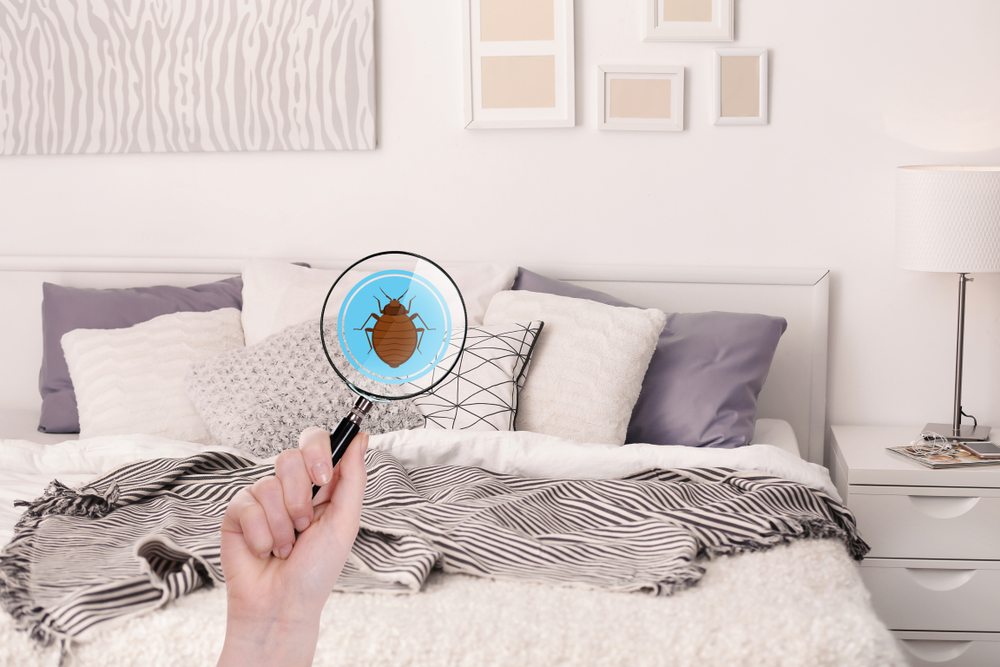
Bed bugs can show up in even a clean, well-maintained home because they usually arrive by hitchhiking on people’s belongings. In Manteo and across the Outer Banks, travel, vacation rentals, overnight guests, and the movement of used furniture can all create opportunities for these pests to move from one property to another. Quick answer: Bed bugs
READ MOREBlog
Blog
How to Tell If You Have Rodents in Your Attic or Crawlspace
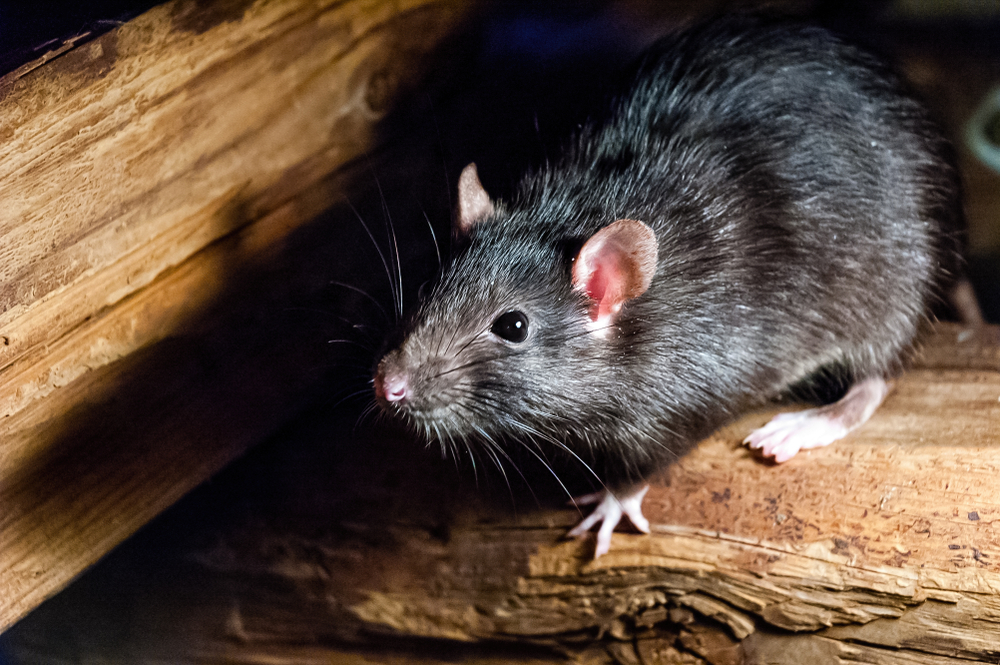
A faint scratching sound above the ceiling or movement beneath the floor can be easy to dismiss. For homeowners in Manteo, however, attics and crawlspaces can provide rodents with secluded places to shelter, nest, and move through a home without being seen. The clearest signs of rodents in an attic or crawlspace include droppings, gnaw marks,
READ MOREWhy Commercial Pest Control Protects Your Business Reputation

A single pest sighting can change how customers view a business. In a tourism-driven community like Manteo, where visitors expect clean, welcoming establishments, even one online review mentioning pests can influence future customers. Preventing infestations is not just about protecting a building. It is about protecting the reputation you have worked hard to build. Quick Answer
READ MOREHow Coastal Weather Affects Pest Activity in the Outer Banks
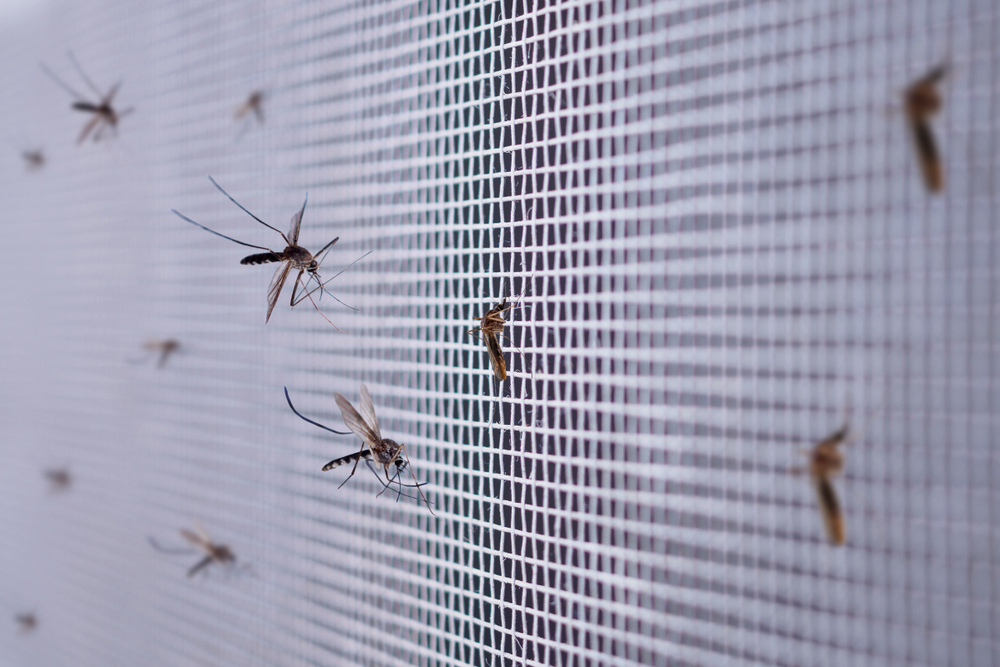
Living along North Carolina’s barrier islands means enjoying ocean views, salty breezes, and a mild coastal climate. Those same conditions also create an ideal environment for many pests to thrive throughout the year. Homeowners and business owners in the Outer Banks often notice that pest activity follows seasonal weather patterns more closely than the calendar.
READ MOREArgentine Ants vs. Sugar Ants: What’s Invading Your Kitchen?
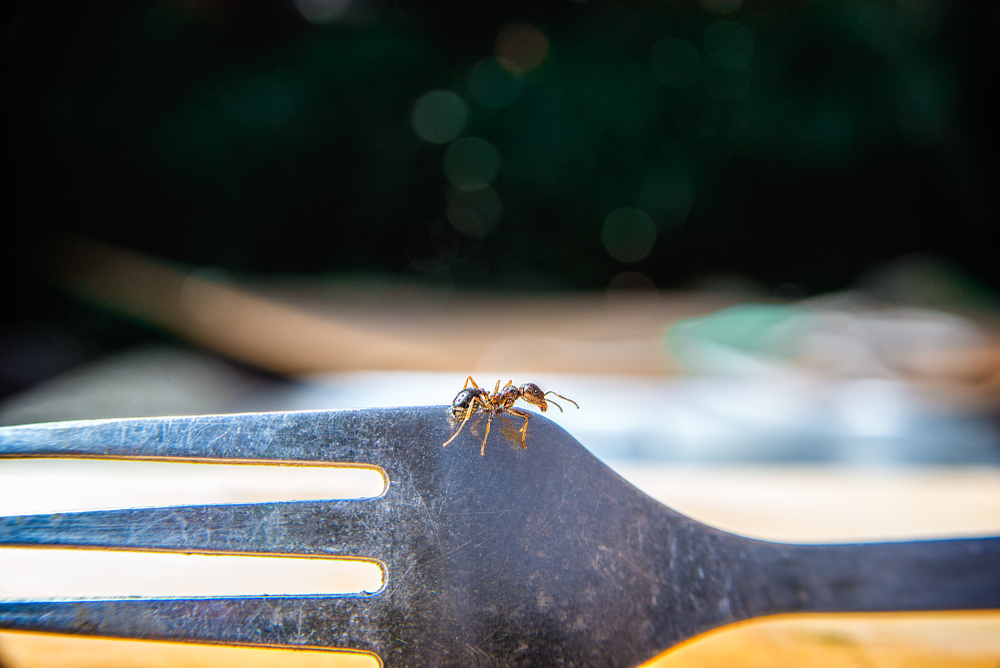
If you’ve spotted a trail of tiny ants marching across your kitchen counter in Manteo, you’re not alone. Homes throughout the Outer Banks often experience ant activity during warmer months, especially when humidity rises and food or moisture becomes easy to find. Knowing which type of ant has invaded your home is the first step toward
READ MORE