
What Manteo, NC Vacation Rental and Second-Home Owners Find After the Off-Season: Overwintering Pests in Vacant Homes
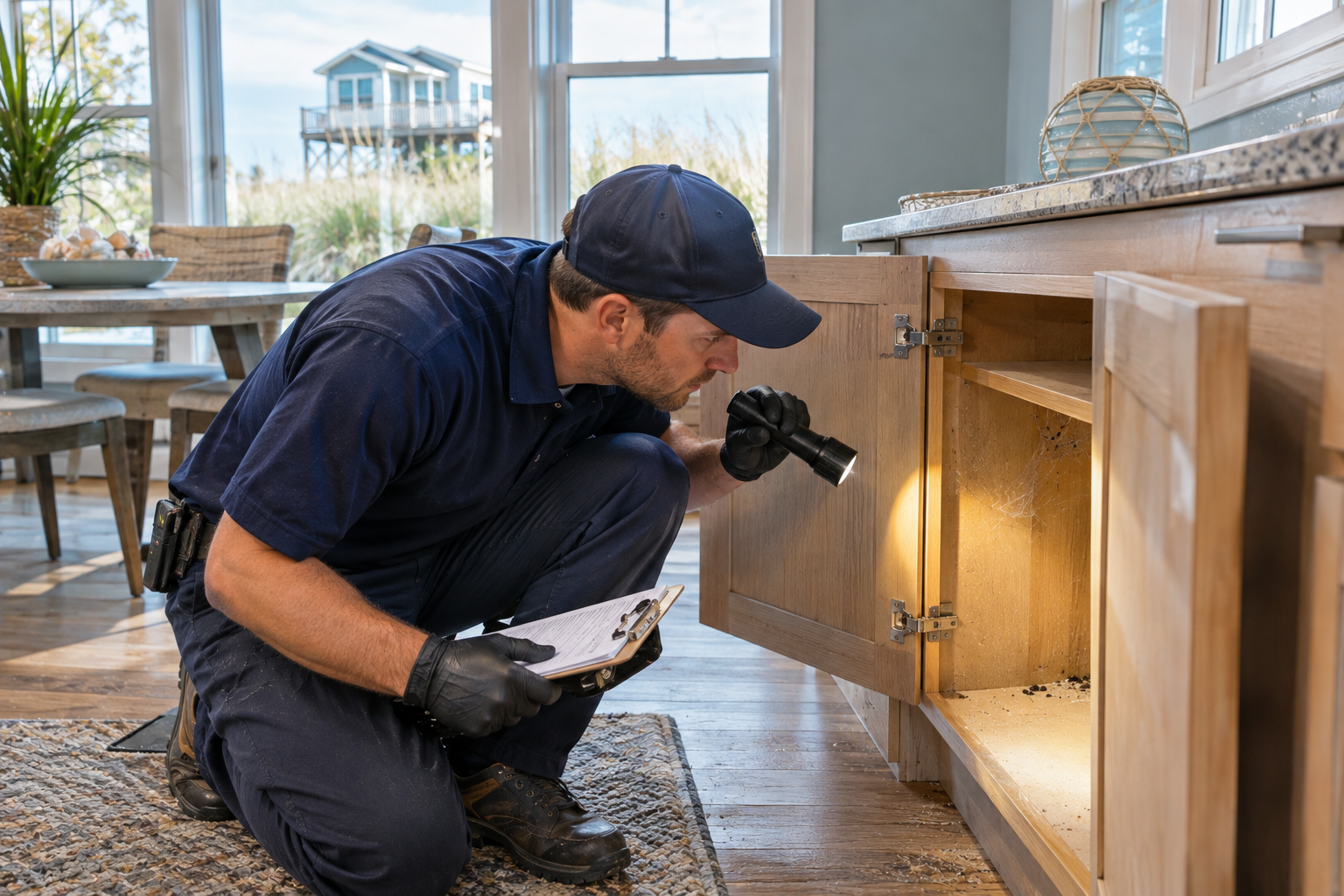
There’s nothing quite like returning to your Outer Banks vacation home after several months away. You’re looking forward to opening the windows, enjoying the waterfront, and getting everything ready for another season of family visits or rental guests. But when you walk inside, you notice dead insects along the windowsills, an unfamiliar smell in the kitchen, or small droppings inside a cabinet. Suddenly, your relaxing return to Manteo, NC, has turned into an unexpected pest problem.
Vacant vacation homes can attract rodents, cockroaches, spiders, and insects that seek sheltered places during cooler months. Some pests enter buildings in fall and remain concealed through winter, while others continue feeding and reproducing whenever suitable conditions exist. Without regular occupants to notice warning signs, activity may go undetected until the property reopens. Scheduling an off-season pest inspection in the Outer Banks can help identify these problems before owners or guests arrive.
For vacation rental and second-home owners in Manteo, several things are worth knowing:
- Vacant homes aren’t automatically protected from pests. Mice and other animals can occupy a property even when nobody is living there.
- Certain insects overwinter inside buildings. Stink bugs and Asian lady beetles may shelter in attics, wall cavities, and other protected spaces.
- Coastal moisture creates additional concerns. Homes around Roanoke Island may have conditions that favor cockroaches and other moisture-seeking pests.
- Property managers should inspect rentals between seasons. Discovering pest activity before guest check-in allows more time to address the problem.
- Recurring pest control can support prevention. A quarterly pest control plan for rental properties provides opportunities to monitor changing conditions throughout the year.
At Outer Banks Pest Control, we help property owners throughout Manteo and surrounding Dare County communities manage unwanted pests. As a family-owned and operated pest management company, we offer residential and commercial pest control, rodent services, and preventive treatment options. We understand that second homes and vacation rentals have different maintenance needs from occupied residences. Our goal is to help owners protect their properties and prepare them for a comfortable return.
Can Pests Infest an Empty House During the Winter?
Yes, pests can infest an empty house during winter because they don’t necessarily depend on human occupants to survive. Many insects seek sheltered spaces before temperatures drop, while rodents can take advantage of small openings, remaining food sources, water, and protected nesting areas.
Why Vacant Properties Can Be Attractive
An unoccupied house may provide a relatively undisturbed environment for pests. Attics, crawl spaces, wall cavities, garages, and storage rooms offer places where animals can remain hidden for extended periods.
Even a clean vacation property may have features that attract unwanted visitors. A plumbing leak, poorly sealed crawl space, or exterior opening can provide enough moisture or access for certain pests to become established.
For homes near the Manteo waterfront or Shallowbag Bay, periodic inspections are particularly useful because owners may not be present to notice changing property conditions. The same applies to vacation properties throughout Roanoke Island and nearby coastal communities.
What Does Overwintering Actually Mean?
Overwintering describes how certain insects survive the colder months by entering a protected location and reducing their activity. Unlike rodents, these insects may not actively feed or reproduce while sheltered indoors.
North Carolina State Extension identifies stink bugs, lady beetles, and several other insects as common overwintering visitors. Many enter structures during fall and become noticeable again when warmer temperatures encourage movement.
This means a homeowner might discover insects in March or April even though they originally entered several months earlier. Their sudden appearance doesn’t necessarily mean the infestation began that week.
What Pests Move Into Vacant Homes in Winter?
Pests that may occupy vacant homes during winter include mice, rats, cockroaches, spiders, stink bugs, and Asian lady beetles. These pests behave differently, so identifying the species and understanding its activity is essential when deciding what treatment or prevention measures are appropriate.
Mice and Rats
Rodents may enter through openings around foundations, vents, utility lines, and exterior doors. Once inside, they can nest in insulation, storage areas, and other concealed locations.
Unlike many overwintering insects, mice may remain active and reproduce when suitable conditions exist. They can also gnaw stored materials, contaminate surfaces, and damage wiring.
For second-home owners in Manteo, rodent activity can remain unnoticed until droppings, shredded materials, or scratching noises become apparent.
Cockroaches
Cockroaches may enter buildings through exterior openings or be introduced with stored items. Some species prefer warm indoor environments, while others are associated with damp exterior and structural spaces.
Coastal homes with moisture problems, plumbing leaks, or humid crawl spaces may provide favorable conditions for certain species. However, not every cockroach seen indoors indicates an established infestation.
Our pest control services address cockroach problems using approaches appropriate for the identified pest and property conditions. A professional assessment can help determine whether treatment and moisture-related corrections are needed.
Spiders
Spiders may occupy undisturbed corners, storage rooms, garages, and other sheltered areas. Vacant properties can provide opportunities for webs to accumulate without regular cleaning.
Spiders often appear where other insects are available as prey. Reducing insect activity and addressing entry points may therefore help limit recurring spider problems.
Not every spider poses a danger, and some are simply occasional visitors. Identification helps determine whether professional treatment is appropriate.
Stink Bugs and Asian Lady Beetles
Certain stink bugs and multicolored Asian lady beetles seek protected overwintering sites during fall. They may settle around attic spaces, window frames, wall cavities, and other concealed locations.
When temperatures rise, these insects sometimes emerge into living spaces. Owners reopening a vacation home may find them gathered around sunny windows or light fixtures.
These insects are generally nuisance pests rather than wood-destroying insects. Their presence can still create cleaning concerns and an unpleasant first impression for rental guests.
How Long Can Mice Live in an Unoccupied Home?
Mice can remain in an unoccupied home for months when they have access to sufficient food, moisture, and suitable shelter. There is no dependable timeline after which a vacant property becomes mouse-free simply because nobody is living there.
A Vacant Kitchen May Still Offer Food
Before leaving for the off-season, owners sometimes overlook food stored in cupboards or pantries. Dry goods, pet food, crumbs beneath appliances, and improperly secured trash may provide resources for rodents.
Mice can also obtain food from certain materials or nearby outdoor environments. Removing food sources reduces attraction but doesn’t necessarily eliminate an established population.
A second-home pest control service can help identify signs of activity before the problem becomes extensive. This is particularly valuable when the property will remain empty for several months.
Rodents May Cause Damage Without Being Seen
Rodents gnaw to maintain their teeth and investigate materials around them. This behavior can damage packaging, insulation, stored belongings, and sometimes electrical wiring.
An owner might not realize that damage occurred until returning to the property. A small opening behind a kitchen cabinet can remain hidden while rodents access several nearby spaces.
For vacation rental properties, addressing suspected rodent activity before guests arrive is particularly important. Cleaning alone cannot resolve the problem if animals remain inside the building.
What Warning Signs Should Owners Check After the Off-Season?
Warning signs of pest activity after the off-season include droppings, nesting materials, dead insects, damaged food packaging, unusual odors, and openings around the exterior of the property. Inspecting these areas before unpacking or preparing the home for guests can help identify concerns early.
Start With the Kitchen and Storage Areas
Kitchens offer useful clues because many pests are attracted to food and moisture. Inspect accessible cabinets, drawers, pantry shelves, and areas around appliances for unfamiliar debris or damage.
Storage spaces also deserve attention, especially when they contain cardboard boxes, linens, or seasonal supplies. These materials can provide sheltered hiding locations for certain pests.
Common signs to look for include:
- Droppings in cabinets or drawers: Small pellets may indicate rodent activity.
- Gnaw marks on packaging: Chewed food containers or storage materials suggest unwanted visitors.
- Shredded insulation or paper: Damaged soft materials may be associated with nesting.
- Dead insects near windows: Accumulations can indicate overwintering insects or other activity.
- Webbing in corners: Extensive webs may show that spiders have occupied undisturbed spaces.
- Musty or unusual odors: Odors can indicate moisture concerns or concealed pest activity.
- Damaged vent screens: Openings can provide access to crawl spaces and attics.
- Live insects around plumbing: Activity may suggest moisture-related pest conditions.
Inspect Safely Before Cleaning
If you discover rodent droppings, avoid sweeping or vacuuming them while dry. The Centers for Disease Control and Prevention recommends disinfecting contaminated areas using appropriate precautions because disturbing dried waste can expose people to harmful particles.
Extensive contamination may require professional cleanup. If you discover active rodents or suspect animals have entered ventilation spaces, arrange qualified assistance before using the affected areas.
Why Do Outer Banks Vacation Rentals Need Regular Pest Inspections?
Outer Banks vacation rentals benefit from regular pest inspections because guest turnover and periods of vacancy can make it difficult to recognize developing pest problems. Scheduled evaluations help property owners identify activity, inspect vulnerable areas, and coordinate treatment before an infestation interferes with a reservation.
Guest Readiness Matters
A vacation rental should be clean and prepared before each arrival. However, routine housekeeping doesn’t always reveal pest activity hidden behind appliances, within wall cavities, or beneath a structure.
Imagine a rental property near Nags Head that remains empty for several winter months. The cleaning team prepares the home before spring bookings, but rodent droppings are discovered in a lower storage area during the final walkthrough.
That hypothetical situation illustrates why pest inspections and housekeeping serve different purposes. Cleaning prepares visible living spaces, while pest management focuses on identifying and addressing unwanted animals and insects.
Property Managers Need a Clear Process
Property managers may oversee multiple homes across Manteo, Kill Devil Hills, Kitty Hawk, and other coastal communities. Coordinating inspections, maintenance visits, and guest arrivals requires careful scheduling.
A property manager pest control service can provide a consistent point of contact for evaluating concerns and arranging appropriate treatments. Documenting reported activity also makes it easier to recognize recurring problems at individual properties.
At Outer Banks Pest Control, we provide pest management services for residential and commercial properties. We can discuss ongoing service arrangements and the specific concerns associated with vacation rentals.
Is a Quarterly Pest Control Plan Worth It for a Second Home?
A quarterly pest control plan can be worthwhile for second-home owners who want recurring professional attention while their properties are unoccupied. Scheduled visits provide opportunities to monitor pest activity, evaluate changing conditions, and recommend treatment adjustments as needed.
Why Seasonal Appointments Make Sense
Pest activity changes throughout the year. Some insects seek winter shelter, while other species become more noticeable during warm, humid months.
A property that appears problem-free during summer may develop different concerns after fall storms or several months of vacancy. Recurring inspections can help identify those changes before the owner returns.
We typically recommend quarterly pest management services for ongoing protection, although our available plans can be customized to individual needs. Vacation property owners should discuss access arrangements, treatment scope, and scheduling before establishing service.
Prevention Is More Than Applying Treatments
A recurring plan should also include attention to conditions that encourage pests. Appropriate recommendations may involve protecting stored food, reducing moisture, managing debris, or addressing vulnerable exterior openings.
Treatment alone may not prevent future infestations if rodents or insects can continue entering through damaged materials. Likewise, a persistent plumbing leak can create conditions that favor certain moisture-seeking pests.
Our approach emphasizes identifying the problem and selecting an appropriate management strategy. We can help customers understand which preventive steps may complement professional treatments.
How Can You Prepare a Manteo Vacation Home Before Closing It for Winter?
Preparing a Manteo vacation home for the off-season involves removing pest attractants, checking exterior openings, addressing moisture concerns, and arranging appropriate property monitoring. Completing these tasks before departure may reduce the likelihood of discovering an infestation when you return.
Create a Practical Closing Checklist
Before locking the doors for several months, inspect accessible areas and address conditions that could attract pests.
Useful steps include:
- Empty pantry items and remove food that could attract rodents or insects.
- Clean crumbs and spills around kitchen appliances.
- Dispose of trash and secure outdoor waste containers.
- Check accessible exterior door seals and window screens.
- Inspect visible crawl space vents for damage.
- Address plumbing leaks and unexplained moisture.
- Remove clutter and debris stored against the exterior walls.
- Arrange periodic property checks and pest inspections.
These tasks help reduce common attractions, but they don’t guarantee a pest-free property. Severe weather and building deterioration can create new openings after the home has been secured.
Plan an Inspection Before Reopening
Scheduling a pest inspection before your first stay or rental booking can help identify concerns while there’s still time to respond. This is especially valuable for owners who live outside Dare County and cannot regularly visit the property.
A professional may identify insect activity, rodent evidence, or vulnerable entry points that need attention. Depending on the findings, the property may require treatment, exclusion work, or additional maintenance before occupancy.
Frequently Asked Questions About Pests in Vacant Outer Banks Homes
Can pests infest a vacation home that stays empty all winter?
Yes, pests can enter and occupy a vacant vacation home even when nobody is present. Rodents, cockroaches, spiders, and overwintering insects may find suitable shelter within the property. The likelihood depends on entry points, moisture, available food, and the surrounding environment.
What pests are commonly found in Manteo vacation homes after winter?
Manteo property owners may discover rodents, spiders, cockroaches, stink bugs, and lady beetles when reopening their homes. Some insects sheltered indoors during winter, while other pests may have remained active. A professional inspection helps identify the species involved and whether treatment is necessary.
How long can mice survive in an empty house?
Mice can remain in a vacant house for months if they have access to adequate resources. A lack of occupants doesn’t necessarily prevent nesting or reproduction. Sealing entry points, removing available food, and arranging professional rodent control can help address an infestation.
Is quarterly pest control necessary for vacation rentals in Manteo, NC?
Quarterly pest control can be a practical option for owners who want recurring inspections and preventive service. The appropriate frequency depends on the property, history of pest activity, and surrounding conditions. We offer quarterly service recommendations and can discuss customized management plans.
Should a property manager schedule pest control before guests arrive?
Scheduling pest control before the rental season can help property managers identify and address problems before check-in. It also provides time to coordinate treatment and any necessary follow-up. Certain pest treatments may require temporary access restrictions, so scheduling should account for the product label and professional recommendations.
Do overwintering stink bugs damage vacation homes?
Stink bugs that overwinter inside structures are generally nuisance pests rather than insects that feed on wood or household materials. However, large numbers can be unpleasant and create cleaning concerns. Sealing vulnerable exterior openings during an appropriate season can help reduce future entry.
What should I do if I find rodent droppings after returning to my second home?
Avoid sweeping or vacuuming dry droppings, and prevent others from disturbing the affected area. Follow CDC cleanup precautions or arrange professional help when contamination is extensive. A pest inspection can also help determine whether rodents are still present and how they’re entering.
Does Outer Banks Pest Control provide vacation rental pest control in Manteo, NC?
Yes, we provide residential and commercial pest management services for properties throughout Manteo and nearby Outer Banks communities. Our services address common pests, including rodents, cockroaches, spiders, and other unwanted visitors. Contact our team to discuss inspections, recurring treatments, and options suitable for a vacation property.
Return to a More Comfortable Coastal Home With Outer Banks Pest Control
Owning a vacation rental or second home in Manteo should mean enjoying time on the coast, not spending your first day back investigating strange noises or cleaning up pest activity. Unfortunately, extended vacancies can allow rodents and insects to remain unnoticed, especially when entry points and favorable conditions exist. Recognizing the signs of overwintering pests, preparing your home before closing it, and arranging periodic inspections can help reduce unpleasant surprises. For rental owners, a proactive approach also makes it easier to prepare the property for incoming guests.
At Outer Banks Pest Control, we help homeowners, vacation rental owners, and property managers throughout Manteo, Roanoke Island, Nags Head, Kitty Hawk, Kill Devil Hills, and surrounding Dare County communities address pest concerns. Our family-owned and operated company provides residential and commercial pest management, rodent control, and recurring service options tailored to individual properties. We understand that coastal properties may remain unoccupied for extended periods, and those schedules can create additional maintenance challenges. Whether you’re preparing to close your home for the winter or getting ready for another rental season, we’re here to help you develop a practical pest management approach.
Schedule Vacation Rental Pest Control in Manteo, NC
If your vacation rental or second home has been sitting empty, contact Outer Banks Pest Control to discuss an inspection before your next visit or guest arrival. Call 252-473-1633 to request a free estimate and ask about our pest management services and recurring treatment options. We’ll help you identify potential pest concerns and explore ways to keep your coastal property better protected throughout the year.