Argentine Ants vs. Sugar Ants: What’s Invading Your Kitchen?
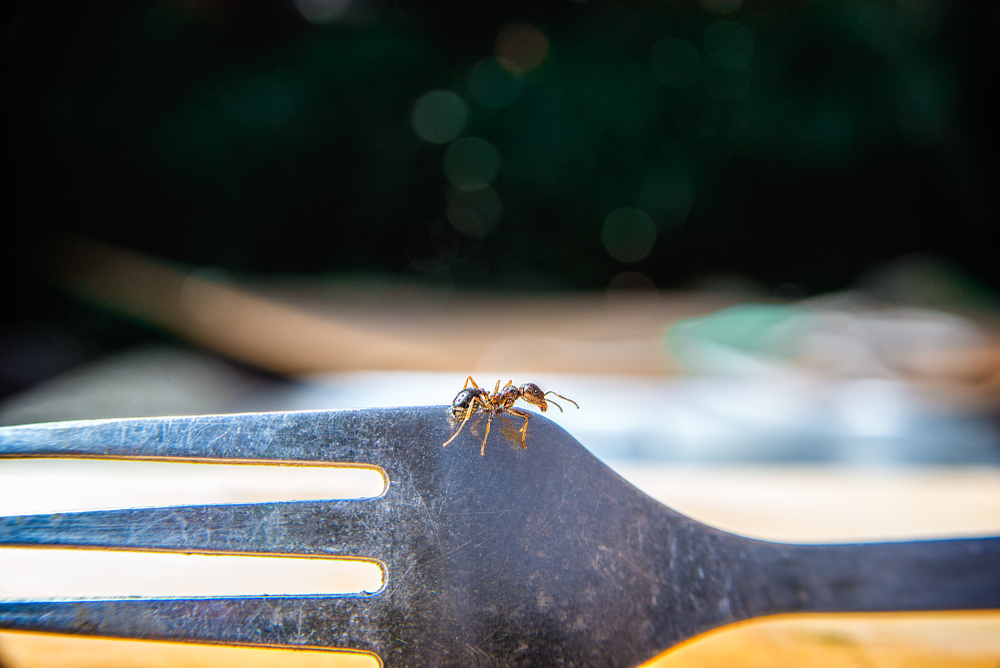
If you’ve spotted a trail of tiny ants marching across your kitchen counter in Manteo, you’re not alone. Homes throughout the Outer Banks often experience ant activity during warmer months, especially when humidity rises and food or moisture becomes easy to find. Knowing which type of ant has invaded your home is the first step toward solving the problem.
Quick Answer
Argentine ants and sugar ants are both common household invaders, but they behave differently and require different pest control strategies. Argentine ants form massive colonies with long foraging trails, while “sugar ants” is a common name that often refers to several small ant species attracted to sweet foods. Identifying the species helps determine the most effective treatment and reduces the chance of recurring infestations.
What Local Readers Should Know
- Argentine ants often enter homes in large numbers after heavy rain or when outdoor food sources become scarce.
- Coastal humidity around Manteo, Nags Head, Kill Devil Hills, and Kitty Hawk creates favorable conditions for many ant species.
- Leaving even small amounts of sugary residue on counters can attract foraging ants within hours.
- Outdoor nests frequently extend beneath mulch, landscaping, pavers, and foundations before ants move indoors.
- Proper identification is important because different ant species respond differently to treatment methods.
Why This Matters Locally
The coastal environment of Dare County creates ideal conditions for ants throughout much of the year. Frequent humidity, mild winters, sandy soils, and irrigated landscaping allow colonies to remain active for long periods. Vacation rentals and seasonal homes can also become attractive targets when crumbs, moisture, or plumbing leaks go unnoticed between visits.
At Outer Banks Pest Control, we regularly help homeowners throughout Manteo and the surrounding Outer Banks identify the true source of recurring ant problems. Once the species is identified, we focus on treating the colony instead of simply eliminating the ants you see indoors.
Local Field Observations
Based on our field experience, Argentine ants become especially active during periods of changing weather, including heavy summer rain and prolonged dry spells. We also commonly find small sweet-feeding ants entering kitchens through tiny foundation gaps, utility penetrations, and window frames after outdoor colonies become established around landscaping.
Local Impact
Ants rarely stay confined to one room. Once a colony discovers a reliable food source, workers leave chemical trails that recruit thousands of additional ants. What begins as a few ants near the sink can quickly spread throughout cabinets, pantries, pet feeding areas, and bathrooms.
For homeowners across Roanoke Island and nearby communities, recurring infestations can become frustrating because wiping away visible ants rarely addresses the colony producing them.
Argentine Ants vs. Sugar Ants
Argentine Ants
Argentine ants are small, light to dark brown ants measuring about one-eighth of an inch long.
Characteristics include:
- Extremely large interconnected colonies
- Long, organized foraging trails
- Multiple queens within a single colony
- Strong preference for moisture
- Ability to rapidly replace eliminated workers
Because colonies contain multiple queens, eliminating only one nest rarely solves the problem.
Sugar Ants
“Sugar ant” is not a single species. Instead, homeowners often use the term to describe several small ants attracted to sweets.
These ants commonly:
- Feed on sugary foods, syrups, fruit, and soft drinks
- Build smaller colonies than Argentine ants
- Nest both indoors and outdoors
- Enter through tiny cracks around doors and windows
- Become active after finding accessible food sources
Proper identification helps determine whether the ants are truly sugar-feeding ants or another species requiring a different treatment approach.
Warning Signs
Argentine ants and sugar ants often leave similar clues before homeowners discover the full infestation.
Watch for:
- Long trails of ants along countertops or baseboards
- Ants gathering around sinks or dishwashers
- Small ants inside pantries
- Increased activity after rain
- Ants entering beneath doors or windows
- Trails leading toward landscaping outside
- Reappearing ants despite repeated cleaning
When to Call a Professional
Small numbers of ants can sometimes be monitored while improving sanitation and sealing entry points. However, recurring trails, multiple indoor locations, or infestations that return after store-bought treatments usually indicate an established colony that requires professional attention.
This is especially true in coastal areas where multiple connected nests may exist throughout the landscape.
Common Local Causes
Several local conditions contribute to recurring ant problems around Manteo.
1. Coastal Humidity
Moisture encourages ant activity and supports nesting around foundations.
2. Landscaping
Mulch, pine straw, shrubs, and decorative stone provide shelter close to homes.
3. Food Sources
Pet food, pantry items, sugary drinks, and crumbs provide reliable nutrition for foraging workers.
4. Plumbing Moisture
Leaking faucets, condensation, and damp crawl spaces attract moisture-loving species like Argentine ants.
5. Tiny Entry Points
Even very small gaps around utility lines, siding, windows, and doors can allow thousands of ants inside.
Prevention and Maintenance
Reducing attractants is the best first step toward preventing future infestations.
Helpful practices include:
- Store food in sealed containers.
- Wipe counters after preparing meals.
- Empty indoor trash regularly.
- Repair plumbing leaks promptly.
- Trim vegetation away from exterior walls.
- Replace damaged door sweeps and weatherstripping.
- Keep mulch from touching the home’s foundation.
- Schedule regular pest inspections before peak summer activity.
Expected Results
Professional ant treatments typically focus on eliminating the colony rather than simply killing visible workers. Depending on the species, activity may temporarily increase as ants interact with treatment materials before colony populations begin to decline.
Long-term success also depends on reducing food sources, moisture, and structural entry points around the property.
Common Mistakes
Mistake: Spraying only the ants you see indoors.
Consequence: The colony survives and sends more workers inside.
Better Approach: Locate and eliminate the colony while addressing entry points.
Mistake: Using multiple over-the-counter products simultaneously.
Consequence: Some sprays repel ants away from effective baits.
Better Approach: Use a treatment strategy designed for the specific ant species.
Mistake: Ignoring outdoor activity.
Consequence: Indoor infestations continue because exterior colonies remain active.
Better Approach: Inspect both the home’s interior and surrounding landscape.
Common Local Scenario
A homeowner in the Manteo area notices a few ants near the kitchen sink after several days of rain. After cleaning the counter, the ants disappear temporarily but return in greater numbers a week later. An inspection reveals outdoor nesting beneath landscaping near the foundation, allowing workers to repeatedly enter through small structural gaps.
Related Service Solutions
Ant control often involves more than a single treatment. Depending on the infestation, solutions may include:
- Comprehensive ant inspections
- Exterior perimeter treatments
- Targeted colony control
- Entry point identification
- Ongoing pest management programs
- Preventative seasonal inspections
Comparing Your Options
| DIY | Professional Treatment |
|---|---|
| May eliminate visible ants | Targets the colony |
| Limited species identification | Accurate pest identification |
| Often requires repeated applications | Customized treatment strategy |
| May not reach hidden nests | Addresses indoor and outdoor activity |
| Temporary results are common | Focuses on long-term management |
Service Areas
We proudly serve homeowners throughout Manteo as well as Nags Head, Kill Devil Hills, Kitty Hawk, Southern Shores, Duck, and other communities across the Outer Banks and Dare County.
Cost of Ignoring the Issue
Waiting too long allows colonies to expand, increasing the number of ants entering your home and making treatment more involved. Early identification often makes controlling the infestation simpler and helps prevent recurring problems throughout the season.
Frequently Asked Questions
Are Argentine ants common in Manteo?
Yes. Argentine ants are commonly found in coastal North Carolina and frequently invade homes throughout Manteo because the area’s humidity and mild climate support large outdoor colonies.
What are sugar ants?
Sugar ants is a common household term rather than a single species. It often refers to several small ants attracted to sweet foods and drinks found inside kitchens.
Why do ants keep returning after I spray them?
Spraying visible ants often leaves the colony untouched. As long as the nest remains active, new workers continue following established trails into your home.
Does coastal weather affect ant activity in Dare County?
Yes. Rainfall, humidity, and changing temperatures frequently encourage ants to relocate or expand their foraging areas, increasing indoor activity.
Can ants damage my home?
Most household ants are more of a nuisance than a structural threat. However, allowing colonies to remain active can create ongoing sanitation concerns and recurring infestations.
When should I schedule professional ant control in the Outer Banks?
Early spring through late summer is often the busiest season for ant activity, but recurring indoor trails at any time of year are a good reason to schedule an inspection.
Closing
Knowing whether you’re dealing with Argentine ants or sugar ants makes a significant difference in choosing the right treatment. For homeowners throughout Manteo and the Outer Banks, early identification and targeted control can help stop recurring infestations before they become larger problems.
Stop Ant Trails Before They Take Over Your Kitchen
Our team is here to help identify the source of your ant problem and recommend effective treatment options for your home.