
Reasons to Relocate Bees vs. Exterminating
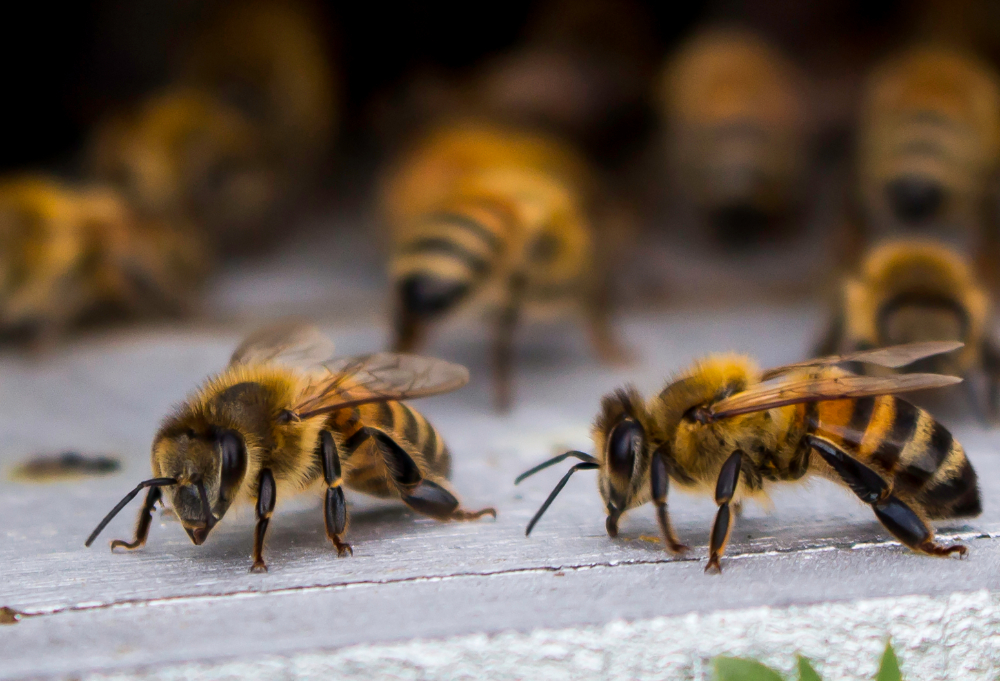
When you discover a bee colony on your property, the natural instinct might be to call an exterminator. However, there are compelling reasons to consider environmentally friendly ways to remove bees instead of eliminating them. Relocating bees offers numerous benefits for both your property and the environment. This blog explores the critical differences between relocation and extermination and why choosing relocation is the best way to get rid of bees without harming them.
The Critical Role of Bees in Our Ecosystem
Bees are not just insects; they are vital workers in our ecosystem. Approximately one-third of the food we consume depends on pollination by bees. Without these remarkable creatures, our agricultural systems would collapse, and we would face severe food shortages. Honeybees, in particular, are responsible for pollinating crops worth billions of dollars annually across North America.
When you choose to relocate bees rather than exterminate them, you are directly contributing to the preservation of these essential pollinators. The ways to relocate bees preserve the population, whereas extermination removes them permanently from the ecosystem. This distinction matters tremendously for biodiversity and food security. Every colony that survives through relocation represents thousands of bees that will continue their crucial work in gardens, farms, and wild spaces.
The environmental impact of extermination extends beyond the immediate loss of a single colony. Each colony contains tens of thousands of individual bees, and killing them represents a significant loss to local pollinator populations. When you opt for environmentally friendly ways to remove bees, you protect not just the colony on your property but contribute to broader conservation efforts.
Economic Benefits of Bee Relocation
Choosing to relocate bees can actually be more economical than you might expect. While extermination services might seem cheaper initially, the long-term economic advantages of relocation are substantial. When bees are relocated, they continue to pollinate crops and plants in their new environment, providing ongoing ecosystem services that benefit agriculture and gardens.
The best way to get rid of bees without harming them often involves working with local beekeepers or bee removal specialists who benefit from acquiring new colonies. Many beekeepers are willing to perform relocation services at reduced costs or even free because they gain valuable colonies. These expanded populations increase honey production, which generates income for beekeepers and supports local economies.
Extermination, by contrast, represents a complete loss of value. The colony is destroyed, and the ecosystem services it provides are eliminated. This creates a net negative economic outcome. Furthermore, if bees continue to return to your property after extermination, you will need to pay for repeated treatments, creating an ongoing financial burden. Relocation typically prevents the return of bees to that location, making it a more cost-effective solution long-term.
Additionally, some property owners find that supporting bee relocation enhances their community standing and brand reputation. Businesses that choose environmentally friendly ways to remove bees often gain positive publicity and customer loyalty. This intangible economic benefit should not be overlooked when making your decision.
Environmental Consequences of Extermination
The decision to exterminate bees carries severe environmental consequences that extend far beyond your property. Pesticides used in extermination processes can harm non-target insects and contaminate soil and water sources. These chemicals persist in the environment and can accumulate in food chains, affecting birds, mammals, and other wildlife that depend on insects for nutrition.
Bee populations are already declining due to habitat loss, disease, and climate change. Adding human-induced extermination accelerates this alarming trend. Scientists have documented significant drops in wild bee populations over the past two decades, making every colony critically important for ecosystem health. When you exterminate a bee colony, you are essentially removing a potential breeding population that could help restore depleted bee populations in your area.
By contrast, ways to relocate bees preserve existing genetic diversity and maintain healthy population levels. Relocation allows bees to establish new homes in suitable environments where they can thrive and reproduce. This approach works with nature rather than against it, supporting the complex web of life that depends on healthy bee populations.
The nitrogen cycle, fruit production, seed dispersal, and countless other ecological processes depend on pollinators. Extermination undermines these fundamental processes, while relocation ensures their continuation. Choosing environmentally friendly ways to remove bees means choosing to support the natural systems that sustain all life on Earth.
Health and Safety Advantages of Relocation
Many people fear bees, primarily because they associate them with painful stings. However, honeybees are actually quite docile and only sting when they feel threatened. Professional bee relocators understand bee behavior and can remove colonies safely without causing injury to humans or the bees themselves. The best way to get rid of bees without harming them involves trained professionals who know exactly how to handle these delicate creatures.
Professional relocation services use specialized equipment and techniques that minimize stress on the bees and reduce the risk of stings. This is actually safer for your family and pets than attempting removal yourself or even than calling a standard pest control service. Pest control exterminators may use harsh chemicals that pose health risks to humans and animals on your property.
Furthermore, removing bees humanely reduces the likelihood of aggressive behavior. When bees are treated with care during relocation, they remain calm and cooperative. Extermination attempts often agitate remaining bees, increasing the likelihood of stings during and after the process. Families with children or individuals with bee allergies should especially consider relocation as the safer option.
The health benefits extend beyond physical safety. Knowing that you chose a compassionate solution provides psychological benefits. Many property owners report feeling better about their decision when they support bee relocation rather than participate in extermination. This peace of mind has genuine value.
Finding Professional Bee Relocation Services
If you have decided that relocation is the right choice, finding qualified professionals is essential. Start by contacting local beekeeping associations, which maintain directories of experienced beekeepers and removal specialists. These professionals understand bee behavior and have the expertise to safely relocate colonies without injury to the bees or themselves.
When seeking ways to relocate bees, ask potential service providers about their experience level, the methods they use, and where they plan to relocate the colony. Reputable professionals will answer all your questions transparently and explain their process thoroughly. They should be licensed and insured, protecting both themselves and you.
Some areas have dedicated bee rescue organizations that operate on volunteer or non-profit bases. These groups are often the most passionate about bee welfare and provide the most humane relocation experiences. They may even offer services for free or at minimal cost because they are driven by conservation goals rather than profit.
The cost of relocation typically ranges from free to several hundred dollars, depending on the colony size, location difficulty, and local service availability. This compares favorably to repeated extermination costs, especially if bees return to the same location, which happens frequently after extermination attempts.
Making the Right Choice for Your Community
Your decision about how to handle a bee colony on your property affects more than just your personal situation. It sends a message about your values and contributes to broader environmental outcomes. Choosing environmentally friendly ways to remove bees supports conservation efforts and demonstrates commitment to sustainability.
Communities that embrace bee relocation develop stronger relationships with nature and healthier local ecosystems. Schools, parks, and neighborhoods that prioritize bee-friendly practices create beneficial educational opportunities and inspire others to make similar choices. Your decision can spark a positive trend in your community.
Consider that future generations will inherit the environmental consequences of today’s choices. Opting for ways to relocate bees means contributing to a world where pollinators thrive and food systems remain stable. This is the best way to get rid of bees without harming them while also protecting the planet.
Conclusion
The choice between bee relocation and extermination is clear when you consider the environmental, economic, and safety implications. Relocating bees supports ecosystem health, provides cost-effective solutions, eliminates the use of harmful chemicals, and ensures human safety. Professional bee removal specialists can safely handle relocations while preserving these vital pollinators. By choosing relocation, you become part of the solution to bee population decline and help ensure a sustainable future for agriculture, nature, and humanity.