The Most Common Pests in the Outer Banks—and How to Stop Them Before They Cause Damage
The Outer Banks of North Carolina is a cherished coastal destination, known for its natural beauty, ocean breezes, and relaxed lifestyle. However, its humid climate, sandy soil, and year-round moderate temperatures also make it a perfect environment for a wide range of pest infestations. From termites silently destroying homes to mosquitoes turning a summer evening into an itchy nightmare, residents and vacation homeowners face unique challenges. Understanding the most common pests in the Outer Banks and how to manage them is essential to maintaining both property value and peace of mind.
Termites: The Silent Destroyers of Coastal Homes
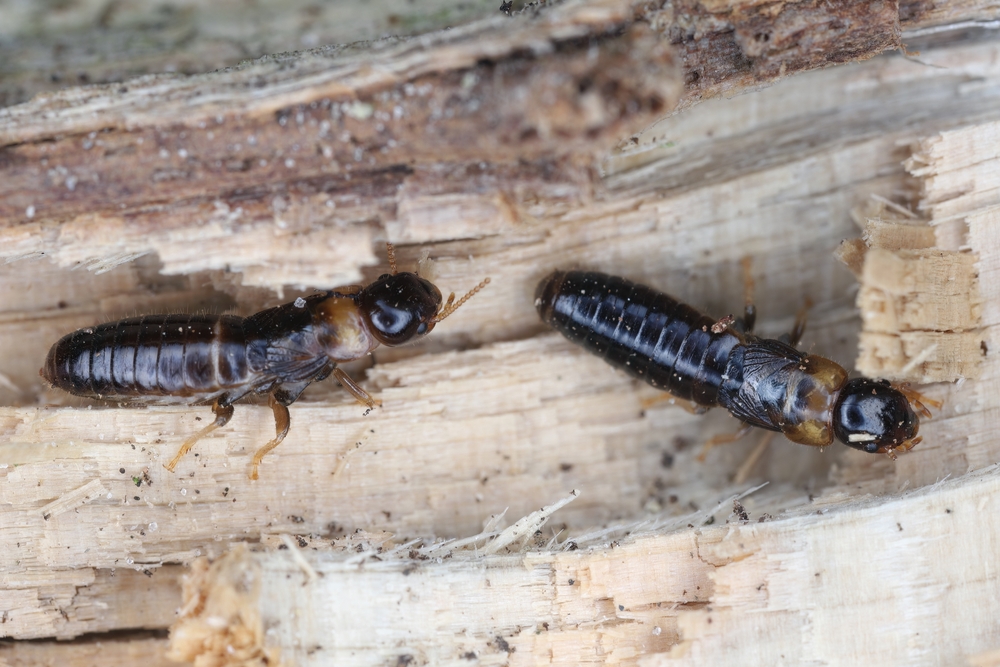
Among the most damaging pests found along the coast, termites are a serious concern for homeowners. The Outer Banks is particularly vulnerable due to its moisture-rich environment and wood-based construction materials. These insects often go unnoticed until significant structural damage has occurred, which makes termite control in the Outer Banks a top priority.
Subterranean termites, the most prevalent species in the area, live in colonies underground and enter homes through cracks in the foundation or via wood-to-soil contact. Once inside, they consume wooden beams, floorboards, and even drywall, compromising the integrity of the structure. Unfortunately, their activity can go undetected for months or even years.
To prevent termite infestations, early detection is key. Regular inspections by licensed pest control professionals can uncover hidden colonies before damage escalates. Coastal pest control in NC often involves a combination of liquid termiticides, baiting systems, and preventive treatments. Property owners should also eliminate wood debris around the house and ensure that crawl spaces remain dry and well-ventilated.
Rodents: Persistent Intruders with Destructive Habits
Rodents are another common nuisance in the Outer Banks, especially as the cooler months approach and mice and rats seek warmth and food indoors. These pests are more than just an inconvenience; they can gnaw through insulation, wires, and wooden framing, leading to fire hazards and costly repairs. Moreover, rodents carry diseases and bacteria that pose health risks to residents and pets.
One of the biggest challenges with rodent control in the Outer Banks is the abundance of access points that homes typically have, including roof gaps, foundation cracks, and uncovered vents. Once inside, rodents breed rapidly, turning a small problem into a widespread infestation.
Prevention begins with sealing all possible entryways and maintaining a tidy environment. Pet food, garbage, and pantry items should be stored in sealed containers. Homeowners should trim back vegetation and remove outdoor clutter that may provide hiding spots. In cases where rodent activity has already begun, professional intervention is often required. Trapping, exclusion techniques, and strategic baiting systems are commonly used by coastal pest control services to eliminate rodent populations safely and effectively.
Mosquitoes: Unwelcome Guests in Paradise
Nothing ruins a peaceful summer evening on the porch faster than a swarm of mosquitoes. These flying pests are not only annoying but can also transmit diseases such as West Nile virus and Eastern equine encephalitis. The humid, marshy environment of the OBX offers ideal breeding conditions, especially after heavy rainfall or hurricane season.
Mosquitoes lay eggs in standing water, which means birdbaths, clogged gutters, and even discarded toys or planters can become breeding sites. Effective mosquito control in OBX begins with eliminating these water sources whenever possible. Regularly emptying containers and improving drainage around the property can help reduce mosquito populations.
Insecticide treatments, fogging, and larvicide applications are additional measures used by professionals to suppress mosquito activity. Homeowners might also consider installing screens on windows and doors and using outdoor fans to make areas less hospitable to mosquitoes. A long-term solution often involves working with coastal pest control experts to develop an integrated mosquito management plan that addresses both adult populations and breeding grounds.
Ants: Tiny Invaders with Big Impact
Ant infestations are one of the most frequently reported Outer Banks pest problems. Several species can be found in the region, including pavement ants, carpenter ants, and the aggressive Argentine ant. While many ants are more of a nuisance than a threat, carpenter ants in particular pose a risk to wooden structures, much like termites.
These ants prefer moist, decaying wood and often set up colonies in wall voids, under floors, or in roof eaves. Once established, they can weaken structural supports over time. Argentine ants, on the other hand, are known for forming massive colonies and invading homes in search of food, especially during warm months.
To manage ant infestations, it is important to locate and destroy the colony. Surface sprays may kill visible ants but rarely address the root of the problem. A targeted approach using bait stations and insecticides placed near entry points is more effective. Homeowners should also seal cracks in foundations, repair leaks, and keep kitchens free of crumbs or food residue to discourage ant activity. Enlisting a professional pest control service can ensure a more thorough and lasting solution, especially for persistent colonies.
Cockroaches: Resilient Survivors in Humid Environments
Cockroaches thrive in warm, humid climates, making the Outer Banks an ideal location for these resilient pests. German cockroaches, American cockroaches, and smoky brown cockroaches are the most commonly found species in the area. These insects are not just unpleasant to look at; they contaminate food, trigger allergies, and can carry pathogens that pose serious health risks.
Cockroaches are nocturnal and often hide in cracks, behind appliances, and in dark, moist areas such as bathrooms and kitchens. They are particularly difficult to eliminate because of their ability to reproduce quickly and resist many over-the-counter pesticides.
Preventive steps include reducing clutter, sealing food containers, fixing plumbing leaks, and improving ventilation. Sanitation plays a huge role in deterring cockroach infestations. However, once a problem takes hold, it is best addressed by trained technicians who can apply targeted treatments in infested zones. Integrated pest management strategies that include baiting, sealing, and monitoring are most effective in reducing long-term infestations.
Conclusion
Dealing with common pests in the Outer Banks is a year-round challenge due to the region’s unique coastal climate. Whether it is termites undermining your home’s foundation, rodents making nests in your attic, mosquitoes invading your backyard, ants taking over your kitchen, or cockroaches spreading bacteria in your living space, effective pest control requires both proactive measures and professional support.
By partnering with reliable coastal pest control providers in NC, homeowners can safeguard their properties against costly damage and enjoy a healthier, pest-free environment. Regular inspections, property maintenance, and prompt action at the first sign of infestation are key strategies to staying ahead of these threats. With the right approach, Outer Banks pest problems can be managed effectively, ensuring that your coastal home remains a safe and pleasant retreat all year long.