Why Termites Are So Common in Coastal Areas Like the Outer Banks
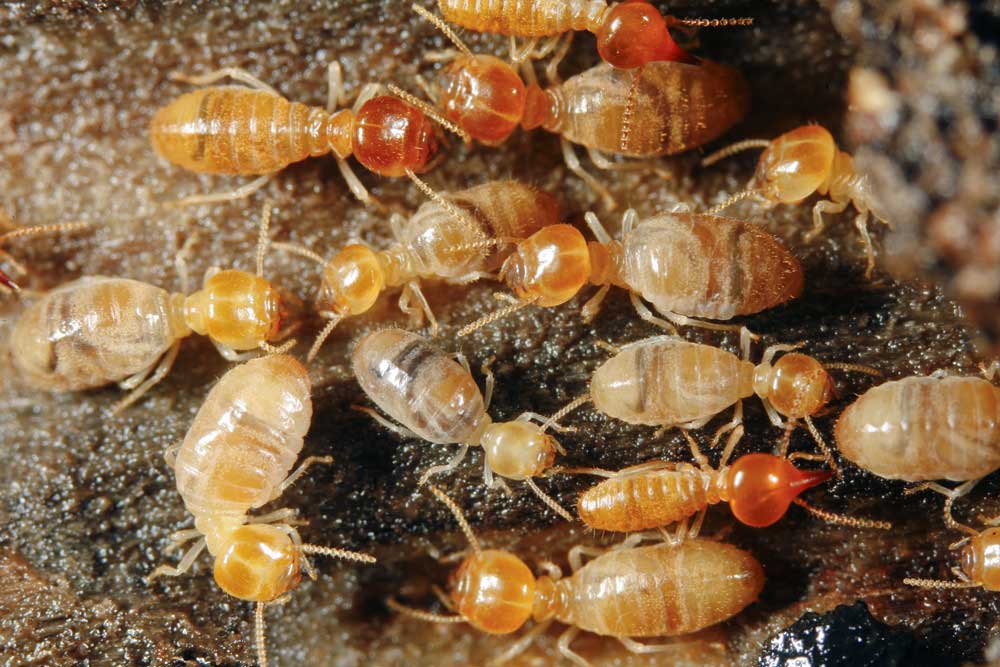
Termites represent one of the most persistent and costly pest problems facing homeowners in coastal regions. If you live in an area like the Outer Banks of North Carolina or any other coastal community, you’ve likely heard warnings about termite infestations. These wood-destroying insects cause billions of dollars in property damage every year across the United States. Understanding why termites thrive in coastal environments is crucial for protecting your home and knowing when to contact professional termite removal services.
This comprehensive guide explores the environmental factors that make coastal areas such ideal habitats for termites and what you can do to safeguard your property.
The Perfect Climate for Termite Colonies
Coastal areas like the Outer Banks provide ideal climatic conditions for termites to flourish year-round. Termites prefer warm, humid environments where they can maintain their colonies without excessive stress. The combination of moderate temperatures and high moisture levels creates the perfect breeding ground for these destructive pests. In the Outer Banks, the Atlantic Ocean proximity ensures that humidity levels remain consistently high throughout the year. This constant moisture is essential for termites because they need it to prevent their exoskeletons from drying out.
The coastal climate in regions like the Outer Banks typically features mild winters compared to inland areas. This means termite colonies never go completely dormant, allowing them to remain active and continue consuming wood structures during months when inland termites are less aggressive. The extended warm season provides termites with more time to multiply and expand their colonies. If you notice signs of termite activity in your home, contacting termite removal services should be a priority before the infestation spreads further.
Abundant Moisture Creates Ideal Living Conditions
Water is absolutely essential for termite survival, and coastal properties provide abundant moisture sources that inland homes simply cannot match. Termites require constant access to moisture to maintain their body functions and keep their colonies operational. The Outer Banks receives significant rainfall throughout the year, and the ocean spray adds additional moisture to the air and surrounding structures. This persistent moisture infiltration into wooden structures makes coastal homes particularly vulnerable to termite invasions.
The high water table in many coastal communities also contributes to moisture problems. Ground water can seep into foundations and wooden components of homes, creating damp conditions that termites find irresistible. Additionally, coastal homes often experience issues with flooding during storms and hurricane seasons, which can temporarily increase moisture levels dramatically. Even after flood waters recede, the lingering dampness in wood and soil provides termites with the wet environment they need to establish thriving colonies. Homeowners in coastal areas should be especially vigilant about moisture management and should consider consulting with termite removal services for inspections after major weather events.
Salt Air and Decaying Wood Create Food Sources
The coastal environment constantly produces decaying wood materials that serve as food sources for termite populations. Trees in coastal areas frequently fall during storms, and the salt air combined with high moisture accelerates wood decomposition. Wooden driftwood, fallen branches, and deteriorating wooden structures accumulate along beaches and in residential areas, providing termites with abundant feeding opportunities. This proximity to natural wood sources keeps termite populations robust and well-fed, making them more likely to infest nearby homes.
Salt air itself creates a unique problem for coastal homes. The corrosive nature of salt spray can damage protective barriers on wooden structures, making wood more susceptible to termite attack. Metal components that would normally deter termite activity can deteriorate faster in coastal environments, and wood treatments may break down more quickly. Additionally, the weathering effects of salt air, combined with moisture and UV exposure, weaken wood fiber integrity. Weakened wood is easier for termites to tunnel through and consume, making coastal homes prime targets for infestation. Professional termite removal services can help identify areas of structural weakness that might attract termite colonies.
Seasonal Storm Activity Increases Vulnerability
Coastal areas like the Outer Banks face regular threats from tropical storms and hurricanes, and these weather events create ideal conditions for termite infestations. High winds can damage roof structures, siding, and wooden components, creating entry points for termites. Water intrusion from storms compromises wood integrity and creates the moisture that termites require. Flooding can drive termite colonies from natural habitats into buildings seeking higher ground, which is when homeowners discover severe infestations they didn’t know existed.
After major storms, debris accumulates around properties, creating perfect habitats for termites to establish satellite colonies near homes. The damaged wood from storms remains in place for extended periods, providing termite food sources within close proximity to occupied structures. Homeowners often discover termite damage months or even years after storm events when the structural damage becomes apparent. This delayed discovery means termites have had considerable time to tunnel through wooden support beams and compromise structural integrity. Having your property inspected by professionals offering termite removal services should be part of your post-storm recovery routine in coastal communities.
Soil Composition and Subterranean Termite Activity
Coastal soils have distinct characteristics that make them particularly favorable for subterranean termites, which are the most common and destructive termite species in coastal regions. Sandy soils common to coastal areas like the Outer Banks are easy for termites to tunnel through, allowing them to establish pathways from natural wood sources to homes. The combination of sand, moisture, and organic matter creates ideal conditions for termite colonies to thrive underground. Subterranean termites never need to expose themselves to open air as they work; they create mud tubes that protect them from drying out while they tunnel between food sources and their main colony.
The salt content in coastal soils also plays a role in termite abundance. While you might assume that salt would deter termites, research shows that termite populations actually persist well in mildly saline soils. The moisture retention properties of coastal sandy soils, combined with salt content, creates an environment where termite colonies can flourish. The complexity of coastal soil composition makes it challenging for homeowners to effectively treat termite problems without professional assistance. Termite removal services offer specialized treatments designed specifically for coastal soil conditions and the unique challenges that moisture and salt present.
Why Professional Intervention is Essential
Given the perfect storm of conditions that make coastal areas so termite-prone, professional intervention becomes essential rather than optional. DIY termite treatments rarely succeed in combating established colonies in coastal environments where moisture and humidity constantly reinforce the problem. Professional termite removal services have the expertise, equipment, and chemical treatments specifically formulated for coastal conditions. They understand how to address moisture issues that fuel termite infestations and can implement preventative barriers that withstand coastal weather and moisture exposure.
Regular professional inspections are particularly important for coastal homeowners. Inspectors can identify early signs of termite activity before infestations become widespread and costly. They can also recommend structural modifications to make your home less attractive to termites, such as improving drainage and reducing wood-to-soil contact. Professional termite removal services typically offer ongoing monitoring programs that catch new infestations quickly before significant damage occurs. The cost of annual professional inspections and preventative treatments is minimal compared to the expense of repairing structural damage from termite infestations.
Conclusion
Termites thrive in coastal areas like the Outer Banks due to the perfect combination of warm temperatures, high humidity, abundant moisture, and accessible food sources. The unique challenges posed by salt air, storm damage, and coastal soil composition make these regions particularly vulnerable to termite infestations. Homeowners in coastal communities should recognize that termite problems are not a matter of if but when. Professional termite removal services represent your best defense against these destructive pests. By understanding why termites are so common in coastal areas and taking proactive measures, you can protect your property and maintain its structural integrity for years to come.