
Rodent & Wildlife Preventative Measures
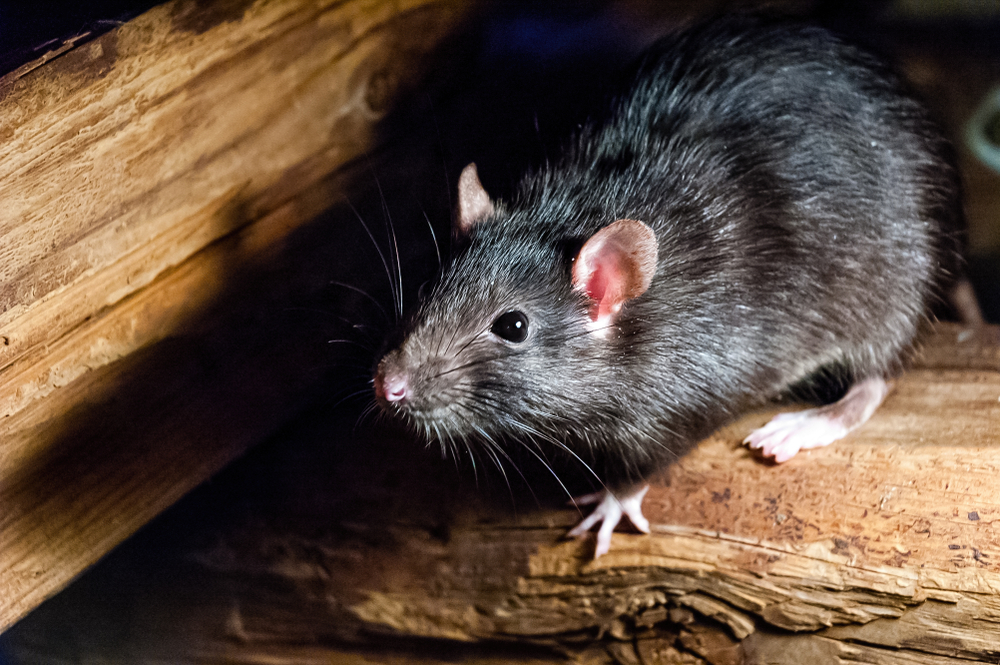
Unwanted rodents and wildlife in your home can pose serious health risks and cause significant property damage. Whether you’re dealing with mice, rats, squirrels, or other creatures, taking proactive steps to keep rodents and wildlife out of your house is essential for maintaining a safe and healthy living environment. This comprehensive guide will help you understand the best practices for protecting your home from these invasive pests.
Understanding the Problem
Before you can effectively address how to keep mice out of the house and prevent other wildlife intrusions, it’s important to understand why these animals are attracted to residential spaces in the first place. Rodents and wildlife seek shelter, warmth, and food sources, making homes an ideal environment for them to thrive. During colder months, these creatures become even more determined to find shelter indoors, making prevention all the more critical.
Mice can squeeze through openings as small as a dime, while rats require only a hole about the size of a quarter. This means that even tiny gaps and cracks in your home’s exterior can serve as entry points for unwanted guests. Wildlife like raccoons, opossums, and squirrels may target attics, basements, and crawl spaces where they can nest and raise their young undisturbed. Understanding these behaviors and vulnerabilities is the first step toward effective prevention.
Sealing Entry Points and Gaps
The most effective strategy for how to keep rodents and wildlife out of your house is to eliminate entry points entirely. A thorough inspection of your home’s exterior is essential, as these animals can access your home through surprisingly small openings. Start by examining the foundation, looking for any cracks or gaps where utilities enter your home. Pay special attention to areas around pipes, electrical lines, and vents.
Windows and doors should be inspected carefully for gaps or damaged weatherstripping. Replace any worn seals and ensure that screens are intact and properly fitted. Foundation vents should be covered with heavy-duty metal mesh rather than plastic, as rodents can easily gnaw through plastic materials. Chimney openings require professional chimney caps, and roof vents should be covered with similar metal screening.
Don’t overlook less obvious entry points like gaps around basement windows or spaces under exterior doors. These areas are particularly attractive to rodents seeking access to your home. Seal all gaps and cracks with appropriate materials, using steel wool or caulk combined with other sealants. Steel wool is especially effective because rodents struggle to chew through it, making it an excellent first line of defense when used in conjunction with other sealing methods.
Removing Food and Water Sources
Wildlife and rodents are drawn to homes where food and water are readily available. Eliminating these attractions is crucial if you want to know how to keep mice out of the house and prevent other wildlife from settling in. Start in your kitchen by storing all food in airtight containers made from glass or hard plastic. This includes pantry staples like grains, cereals, pet food, and birdseed. Never leave food sitting out on counters or dining tables overnight.
Take out garbage regularly and use containers with tight-fitting lids. Compost bins should be properly managed and kept away from your home’s exterior walls. Pet food should not be left out for extended periods; instead, feed your pets at scheduled times and remove uneaten food promptly. Don’t forget about less obvious food sources like fallen fruit from trees near your home, outdoor grill areas, or stored nuts and seeds in garden sheds.
Water sources are equally important for attracting rodents and wildlife. Fix leaky pipes and ensure proper drainage around your home’s foundation. Standing water in gutters, birdbaths, or outdoor containers can provide drinking water that sustains pest populations. Keep gutters clean and ensure they direct water away from your home’s structure. In basements or crawl spaces, use dehumidifiers to reduce moisture that can attract certain wildlife species.
Maintaining Your Yard and Landscaping
How to keep rodents and wildlife out of your house extends beyond your home’s interior to your landscaping and yard maintenance practices. Trim tree branches that hang over your roof, as these provide highways for squirrels and other climbing animals to access your home. Clear away dead trees, stumps, and brush piles where wildlife might nest or hide. Maintain a clear space of at least three feet around your home’s perimeter by removing dense vegetation and ground cover.
Rake up fallen leaves and remove yard debris where rodents might establish colonies. Store firewood at least twenty feet away from your home and elevated off the ground on a proper rack. Keep grass cut short and avoid creating dense ground cover that provides hiding places for mice and rats. Consider removing or securing bird feeders, as they attract rodents looking for easy food sources. If you maintain a bird feeding station, clean up spilled seed daily and position feeders away from your home’s exterior walls.
Inspect your yard for burrows or evidence of rodent activity, such as droppings or gnawed vegetation. Remove any debris piles, construction materials, or old equipment that might shelter wildlife. Secure garbage cans in a location away from your home, preferably in a garage or storage shed. Ensure that outdoor structures like sheds, garages, and storage buildings are properly sealed and maintained according to the same standards as your primary residence.
Professional Pest Control and Regular Monitoring
While many preventative measures can be implemented by homeowners, professional pest control services offer expertise and solutions that go beyond basic prevention. A licensed pest control professional can conduct a thorough inspection of your home to identify potential entry points and vulnerabilities that you might miss. They can recommend targeted treatments and provide ongoing monitoring to ensure your home remains protected.
Regular monitoring involves checking your home’s exterior regularly for new gaps or damage, particularly after severe weather. Walk around your home’s foundation and exterior walls at least quarterly, looking for signs of pest activity or new damage. Keep records of any pest sightings or evidence of intrusion so you can track patterns and address problem areas promptly.
If you do discover evidence of rodent or wildlife intrusion, act quickly to prevent establishment and reproduction. Initial signs might include droppings, chewed materials, distinctive odors, or sounds in walls and attics. Professional removal should be considered, as trapped or threatened animals can become aggressive and potentially carry diseases. Once removal is complete, the entry points that allowed access must be sealed to prevent recurrence of the problem.
Conclusion
Protecting your home from rodents and wildlife requires a multifaceted approach combining prevention, maintenance, and professional support. By sealing entry points, removing food and water sources, maintaining your yard, and staying vigilant with regular monitoring, you can significantly reduce the risk of unwanted pest invasions. The effort you invest in prevention now will save you from costly damage, health hazards, and the stress of dealing with established pest populations later. Take action today to secure your home against these persistent intruders.