
Preparing Your Outer Banks Property for Summer Mosquito Season
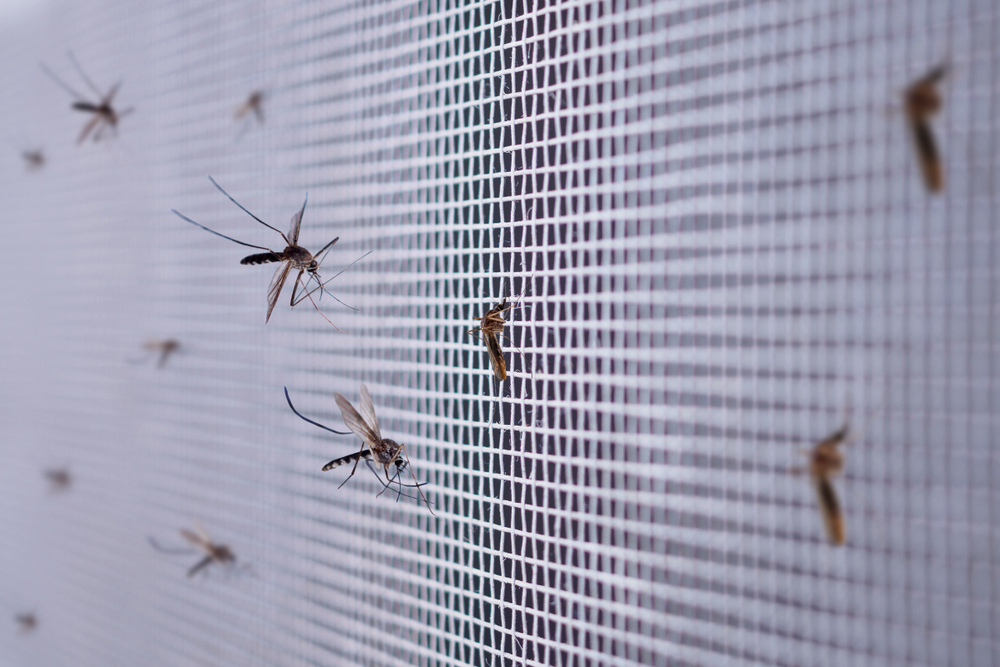
The Outer Banks is known for its coastal beauty, warm breezes, and long summer days that invite residents and visitors outdoors. At the same time, the unique environment of the Outer Banks, NC creates ideal conditions for mosquitoes to thrive. High humidity, frequent rain showers, and expansive marshlands combine to support rapid mosquito breeding as temperatures rise. For property owners, understanding these seasonal factors is the first step toward effective mosquito control and long term comfort.
During the summer months, standing water can appear almost overnight after storms or high tides. Even small amounts of water trapped in sandy soil, dunes, or low lying yards can become breeding grounds. The OBX climate accelerates mosquito life cycles, allowing populations to increase quickly if left unmanaged. This makes early preparation essential for summer pest prevention, especially for properties near soundside areas, maritime forests, or canals.
Another factor unique to the Outer Banks is the steady flow of seasonal visitors. Rental properties, second homes, and vacation cottages may sit vacant for stretches of time, giving mosquitoes an opportunity to establish themselves without disturbance. When guests arrive, the presence of mosquitoes can significantly impact their experience, leading to complaints or reduced outdoor enjoyment. Proactive outdoor pest protection in the Outer Banks is not only about comfort, but also about protecting property value and reputation.
By recognizing how the coastal environment influences mosquito activity, property owners can make informed decisions about prevention strategies. Preparation before peak season arrives allows for more effective control, fewer infestations, and a more enjoyable summer overall.
Inspecting and Eliminating Standing Water Around Your Property
One of the most important steps in mosquito control is identifying and eliminating standing water. In the Outer Banks, rainfall and coastal conditions make this task especially critical. Mosquitoes require very little water to reproduce, and even shallow puddles can support hundreds of larvae within days.
Start by walking your property after a heavy rain. Pay attention to low spots in the yard where water tends to collect and linger. Sandy soil can be deceptive, as water may pool just beneath the surface while remaining unnoticed. Areas near outdoor showers, air conditioning units, and irrigation systems are also common sources of excess moisture. Addressing drainage issues early can dramatically reduce mosquito activity throughout the summer.
Gutters and downspouts deserve special attention, particularly in homes surrounded by trees or shrubs. Leaves and debris can trap water, creating hidden breeding areas. Regular cleaning ensures that rainwater flows freely away from the structure. Similarly, check for items such as buckets, planters, tarps, or recreational equipment that may collect rainwater. In the OBX, strong coastal winds can shift objects around the yard, creating new water holding areas without warning.
Water features like birdbaths or decorative ponds should be maintained carefully. While these features add charm to an Outer Banks property, stagnant water invites mosquitoes. Refreshing water frequently or adding circulation can help discourage breeding. By consistently monitoring and managing standing water, property owners lay a strong foundation for summer pest prevention that supports all other control efforts.
Landscaping Strategies That Support Summer Pest Prevention
Landscaping plays a major role in outdoor pest protection in the Outer Banks. Dense vegetation, overgrown shrubs, and unmanaged ground cover provide ideal resting places for mosquitoes during the heat of the day. Thoughtful landscaping choices can reduce these habitats while still preserving the natural beauty that defines the OBX.
Keeping grass trimmed and vegetation well maintained helps limit shaded, humid areas where mosquitoes prefer to hide. Pruning shrubs and thinning out dense plantings allows for better air circulation and increased sunlight, both of which create less favorable conditions for mosquitoes. This is especially important near patios, decks, and walkways where people spend the most time outdoors.
Native plants are popular in the Outer Banks because they are well adapted to coastal conditions. However, even native landscaping should be managed carefully. Some plants retain moisture or grow densely, which can encourage mosquito activity if left unchecked. Strategic spacing and routine maintenance help balance ecological benefits with effective mosquito control.
Mulch is another consideration for summer pest prevention. While mulch helps retain soil moisture and protect plant roots, excessive moisture can attract mosquitoes. Using mulch sparingly and ensuring proper drainage beneath it can minimize this risk. For properties near marshes or wooded areas, creating a buffer zone between natural habitats and living spaces can further reduce mosquito encounters.
A well planned landscape does more than enhance curb appeal. It actively contributes to a healthier outdoor environment, making mosquito control efforts more effective and sustainable throughout the summer season.
Structural and Outdoor Measures for Long Term Mosquito Control
Beyond landscaping and water management, structural improvements play a key role in mosquito control for Outer Banks properties. These measures help prevent mosquitoes from entering living spaces and reduce their presence in high traffic outdoor areas.
Screens on windows, doors, and porches should be inspected before summer begins. Even small tears or gaps can allow mosquitoes inside, especially during evening hours when lights attract them. Repairing or replacing damaged screens creates a strong barrier that protects indoor comfort without sacrificing fresh coastal air.
Outdoor living spaces are central to the OBX lifestyle, making their protection especially important. Decks, patios, and pool areas benefit from consistent cleaning and maintenance. Removing debris, rinsing surfaces, and ensuring proper drainage all help limit mosquito activity. Ceiling fans or portable fans in covered outdoor areas can also be effective, as mosquitoes struggle to fly in steady airflow.
Lighting choices influence mosquito behavior as well. Some outdoor lights attract insects more than others, increasing mosquito presence near entryways and seating areas. Selecting lighting designed to minimize insect attraction can make evenings more enjoyable while supporting broader summer pest prevention goals.
For many property owners, professional mosquito control services provide an added layer of protection. Regular treatments tailored to the unique conditions of the Outer Banks, NC can significantly reduce mosquito populations when combined with preventive measures. Whether managing a primary residence or a vacation rental, investing in comprehensive outdoor pest protection in the Outer Banks helps ensure a comfortable and welcoming environment all summer long.
Conclusion
Preparing your Outer Banks property for summer mosquito season requires a thoughtful and proactive approach. The coastal climate, abundant moisture, and natural landscapes of the OBX create conditions where mosquitoes can flourish if left unmanaged. By understanding these risks and taking early action, property owners can significantly reduce mosquito activity before it becomes a problem.
Effective mosquito control begins with eliminating standing water and continues through smart landscaping and structural maintenance. Each step supports summer pest prevention efforts that protect both comfort and property value. When combined with professional services when needed, these strategies offer reliable outdoor pest protection in the Outer Banks throughout the warmest months.
A well prepared property allows residents and guests to fully enjoy everything the Outer Banks has to offer, from ocean breezes to sunset gatherings. With consistent attention and seasonal planning, mosquito season does not have to define the summer experience in Outer Banks, NC.